
Trump price-cut push raises pressure on U.S. retailers and fuel sellers
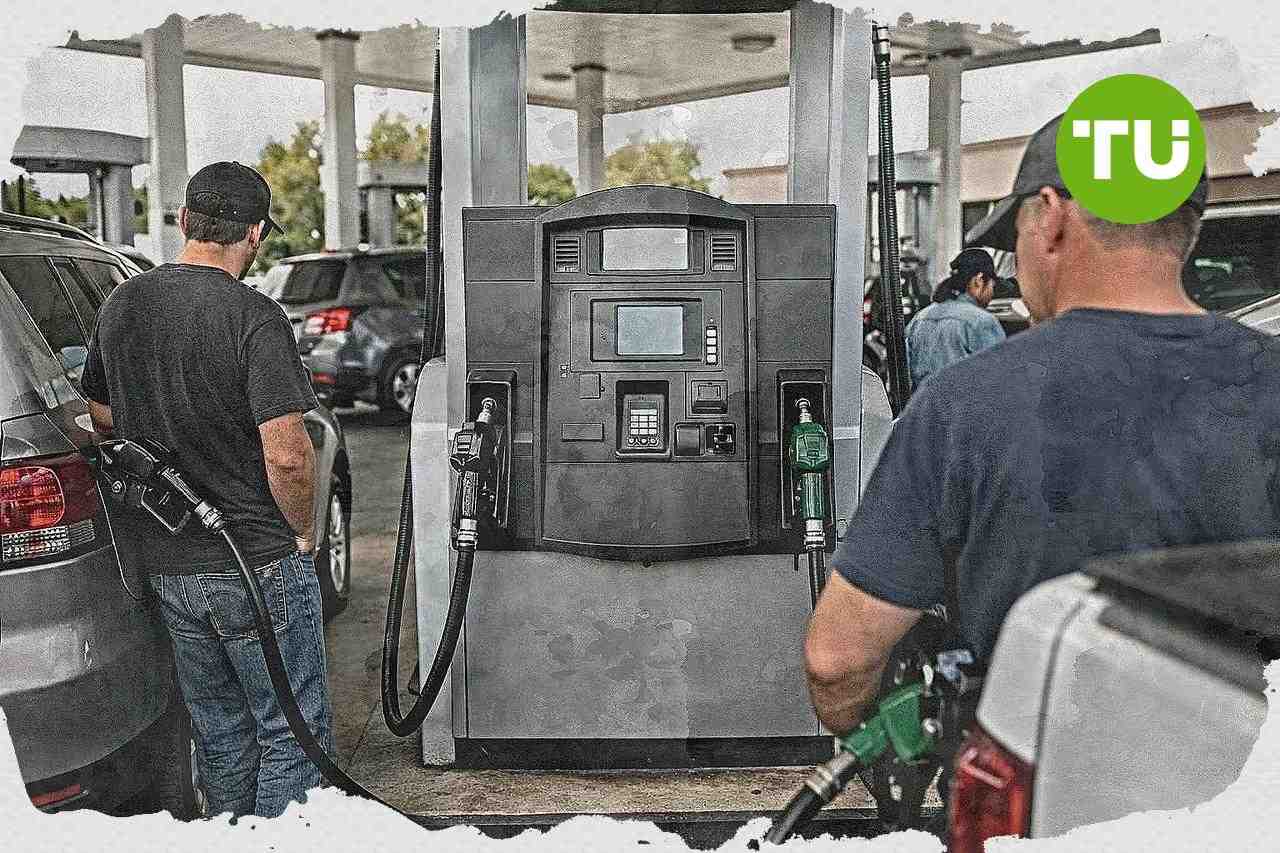
Rising fuel and food costs are keeping inflation at a three-year high as the White House tries to ease voter frustration before November's midterm elections. That backdrop is pushing President Donald Trump to intensify public demands that companies lower prices, a move critics say stretches beyond traditional free-market conservatism.
Highlights
- Trump pressures Walmart and petrol retailers to cut prices, urges $2.50 per gallon fuel, and opens a probe into price gouging as costs climb.
- Annual U.S. inflation reaches 4.2 percent in May, petrol prices rise to $3.88 per gallon, and the war has increased average household fuel costs by over $500.
- Economists warn Trump's intervention departs from free-market principles, risks distorting corporate strategy, and may damage long-term market incentives.
White House pressure on prices intensifies
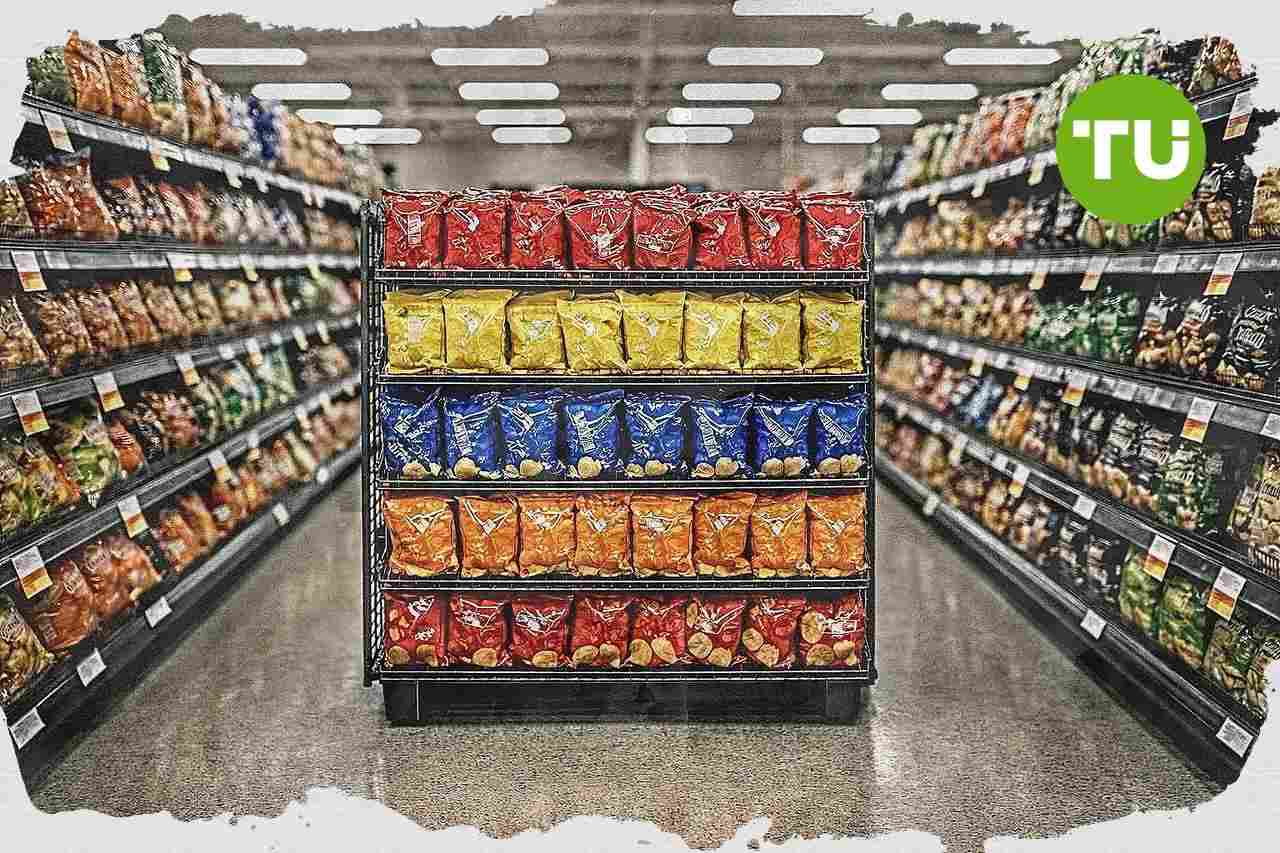
As first reported by Financial Times, Trump is publicly pressing companies from Walmart to petrol retailers to cut prices as higher costs linked to the war with Iran feed through the U.S. economy. In recent weeks, he warns fuel retailers of "big problems" if they do not reduce prices and says Walmart cuts prices on thousands of goods at his administration's request.On Monday, Trump posts on Truth Social that Walmart has lowered prices and urges rivals to follow. Walmart does not mention the president when launching its summer sale after a meeting between U.S. retailers and agriculture department officials, and the company does not respond to a request for comment.
Trump also calls on petrol stations to lower prices immediately and says they should target about $2.50 a gallon, while his administration opens a probe into alleged price gouging. A White House official says the administration is trying to increase supply to reduce consumer costs and denies it has departed from free-market principles, arguing that the substance of the policy remains market-based.
Inflation risks and market concerns grow
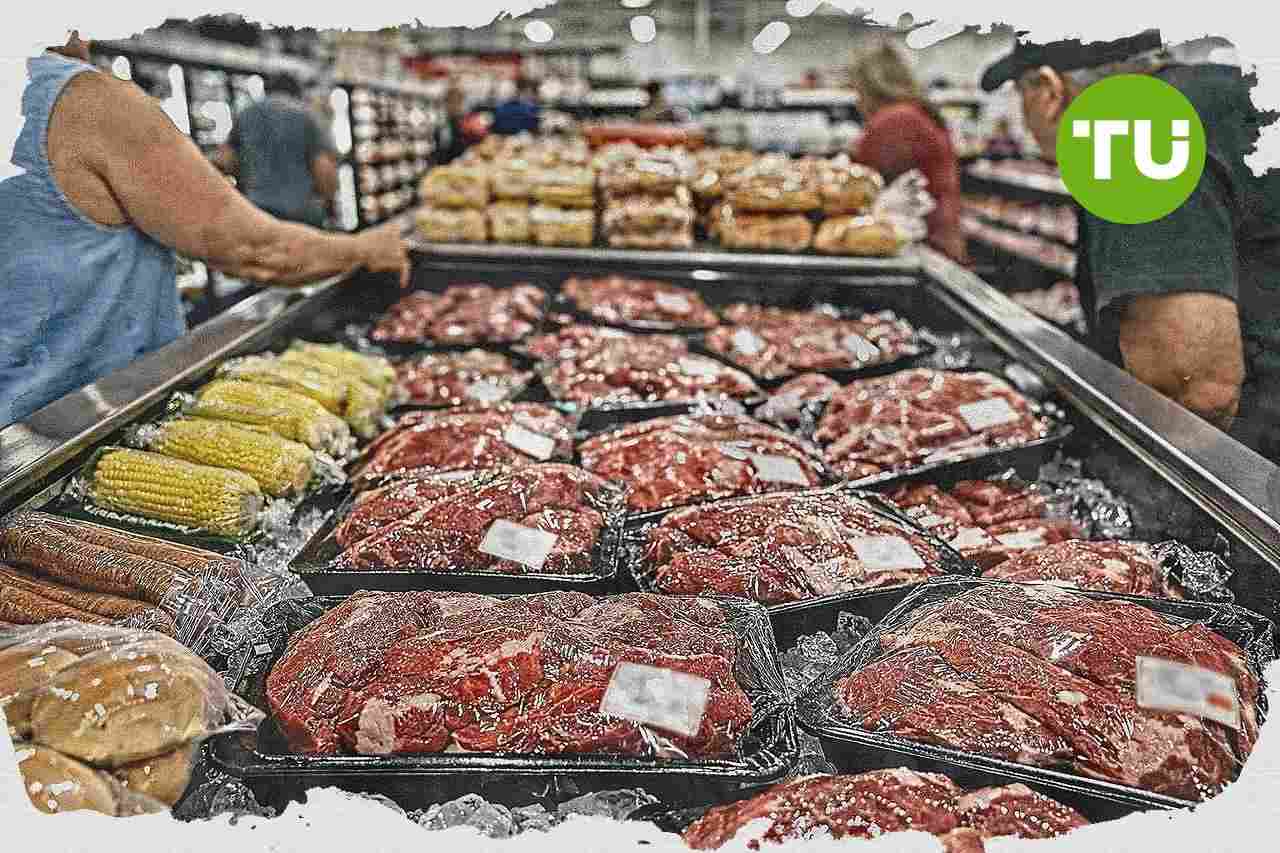
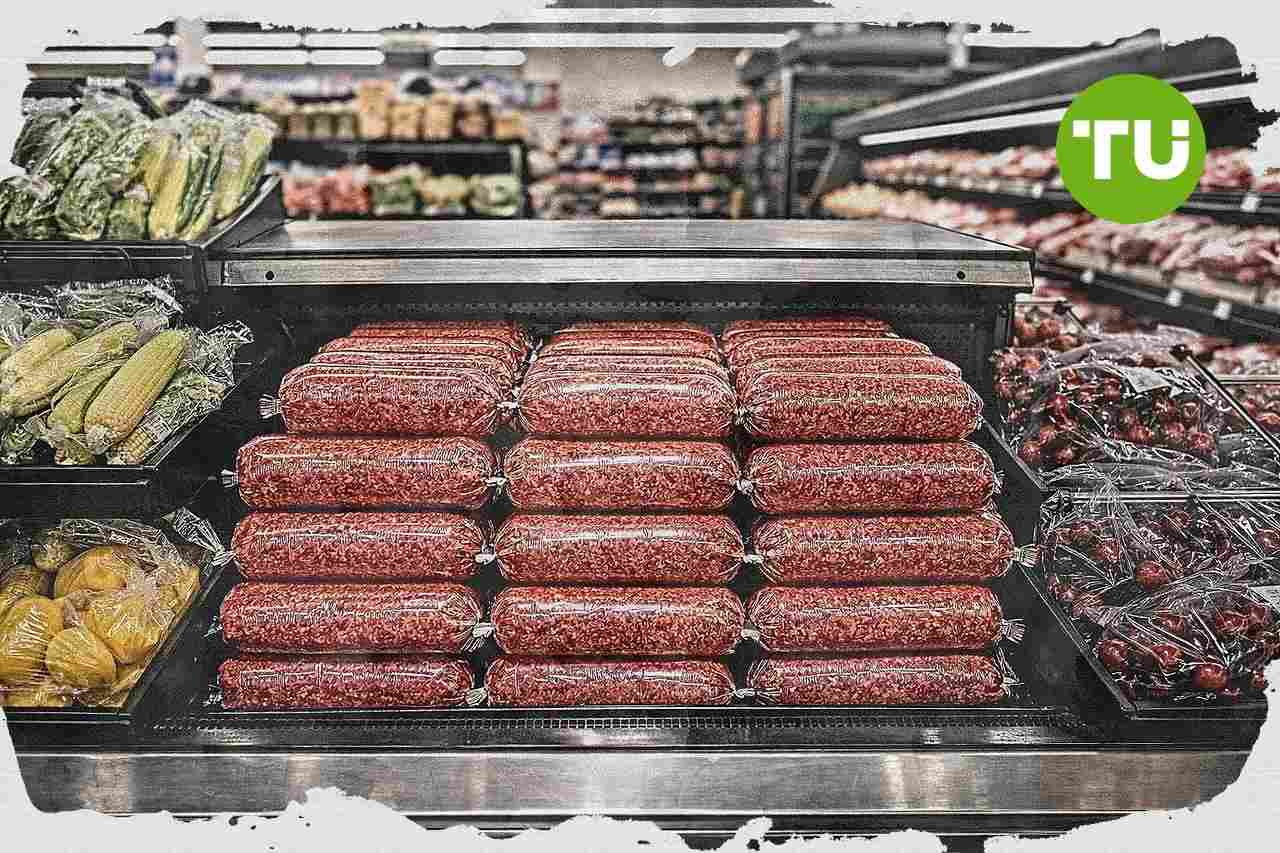
The administration's push comes as annual inflation reaches 4.2 per cent in May, with fuel costs rising after the war began in February. Petrol prices climb to $3.88 a gallon, about 30 per cent higher since the conflict started, while diesel rises by a third and fruit and vegetables cost 6 per cent more than a year earlier.Brown University estimates the war has added more than $500 in fuel costs for the average U.S. household, and an FT poll finds 58 per cent of respondents say the war has not been worth the cost. Another FT Focaldata poll last week finds 67 per cent of voters disapprove of Trump's handling of the cost of living, while 36 per cent approve of his overall job performance, down two points from the previous month.
Analysts and economists say the interventions mark a sharp break from Trump's earlier praise of free enterprise and risk distorting corporate decision-making. Michael Strain of the American Enterprise Institute says the moves suggest the president is in political trouble because prices remain high, while Ryan Bourne of the Cato Institute warns that pressuring companies over prices and investment decisions could damage market incentives long after the administration leaves office.
Some actions have produced visible results, including lower egg prices after efforts to contain avian flu and investigate price increases, as well as agreements with drugmakers to reduce medicine prices under the Trump Rx insurance programme. Even so, Republican strategists say symbolic action helps only if living costs actually begin to fall.
In our earlier article on rising U.S. gasoline prices amid renewed U.S.–Iran fighting, we explained how disruptions around the Strait of Hormuz and refinery outages tightened supply and pushed pump prices back up to around $3.88 a gallon. We also noted that low inventories and strong U.S. petroleum product exports were adding upward pressure, turning fuel costs into a growing political flashpoint as the administration weighed potential action over alleged price gouging.






-
 Afghanistan
-
 Albania
-
 Algeria
-
 Angola
-
 Argentina
-
 Armenia
-
 Australia
-
 Austria
-
 Azerbaijan
-
 Bahamas
-
 Bahrain
-
 Bangladesh
-
 Belarus
-
 Belgium
-
 Bolivia
-
 Botswana
-
 Brazil
-
 Brunei
-
 Bulgaria
-
 Cambodia
-
 Cameroon
-
 Canada
-
 Chile
Chile
-
 China
China
-
 Colombia
-
 Congo
Congo
-
 Costa Rica
-
 Cote d'Ivoire
-
 Croatia
-
 Cuba
Cuba
-
 Cyprus
-
 Czechia
-
 DR Congo
-
 Denmark
-
 Dominican Republic
-
 Ecuador
-
 Egypt
Egypt
-
 El Salvador
-
 Estonia
-
 Eswatini
-
 Ethiopia
-
 Finland
-
 France
-
 Georgia
-
 Germany
-
 Ghana
Ghana
-
 Greece
-
 Haiti
Haiti
-
 Hong Kong
-
 Hungary
-
 India
India
-
 Indonesia
-
 Iran, Islamic republic
-
 Iraq
Iraq
-
 Ireland
-
 Israel
-
 Italy
Italy
-
 Jamaica
-
 Japan
Japan
-
 Jordan
-
 Kazakhstan
-
 Kenya
Kenya
-
 Korea
Korea
-
 Kuwait
-
 Kyrgyzstan
-
 Laos
Laos
-
 Latvia
-
 Lebanon
-
 Lesotho
-
 Libya
Libya
-
 Lithuania
-
 Luxembourg
-
 Madagascar
-
 Malaysia
-
 Malta
Malta
-
 Mauritius
-
 Mexico
-
 Moldova
-
 Mongolia
-
 Montenegro
-
 Morocco
-
 Mozambique
-
 Myanmar
-
 Namibia
-
 Nepal
Nepal
-
 Netherlands
-
 New Zealand
-
 Nigeria
-
 North Macedonia
-
 Norway
-
 Oman
Oman
-
 Pakistan
-
 Palestine
-
 Panama
-
 Papua New Guinea
-
 Paraguay
-
 Peru
Peru
-
 Philippines
-
 Poland
-
 Portugal
-
 Puerto Rico
-
 Qatar
Qatar
-
 Reunion
-
 Romania
-
 Rwanda
-
 Saudi Arabia
-
 Serbia
-
 Singapore
-
 Slovakia
-
 Slovenia
-
 Somalia
-
 South Africa
-
 Spain
Spain
-
 Sri Lanka
-
 Sweden
-
 Switzerland
-
 Syria
Syria
-
 Taiwan
-
 Tajikistan
-
 Tanzania
-
 Thailand
-
 Trinidad and Tobago
-
 Tunisia
-
 Turkey
-
 UAE
UAE
-
 Uganda
-
 Ukraine
-
 United Kingdom
-
United States
-
 Uruguay
-
 Uzbekistan
-
 Venezuela
-
 Vietnam
-
 Yemen
Yemen
-
 Zambia
-
 Zimbabwe
- Forex
- Crypto











