

White House proposes new tariff plan for imports from more than 60 countries
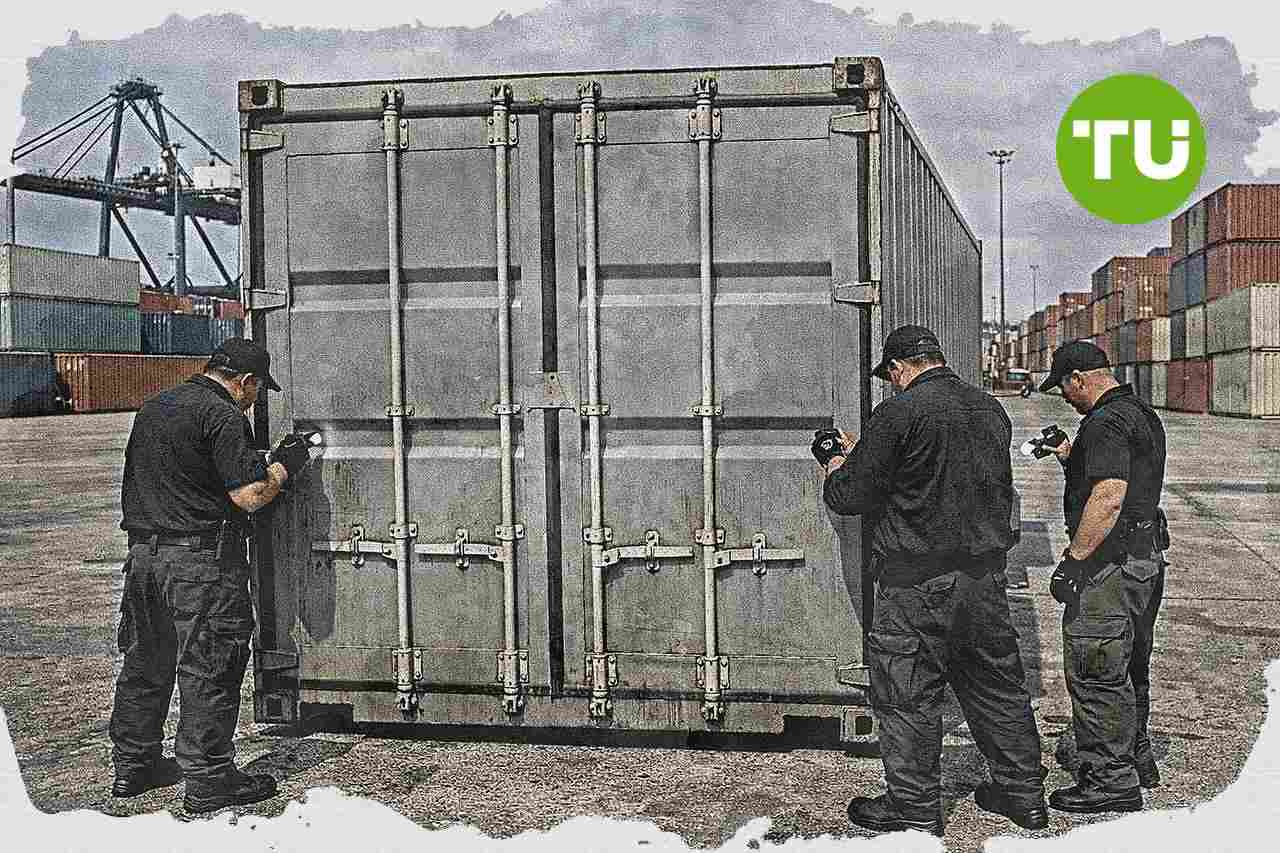
A renewed U.S. trade push is taking shape as the administration advances a tariff proposal tied to labor-rights concerns in global supply chains. The plan sets tariffs of at least 10% on imports from more than 60 countries and signals a broader effort to support domestic manufacturing.
Highlights
- The White House proposes tariffs of at least 10% on imports from more than 60 countries following a forced labor investigation.
- The tariff plan aims to support domestic manufacturing and workers by targeting imports from countries with insufficient labor rights protections.
- If implemented, the measure will increase uncertainty and costs for companies with global supply chains and signals labor-rights as a core trade policy driver.
Tariff proposal tied to forced labor probe
As reported by the Financial Times, the White House is taking its first significant step to revive a controversial tariff plan by proposing duties of at least 10% on imports from more than 60 countries. The move follows a recent probe into forced labor practices that has intensified scrutiny of ethical sourcing standards across international supply chains.The administration presents the measure as a way to strengthen domestic manufacturing and shield American workers from what it describes as unfair competition from countries that do not uphold labor rights. The proposal places trade enforcement and supply-chain standards at the center of current U.S. economic policy.
Implications for U.S. trade policy
Trade experts view the initiative as a potentially important turning point for the direction of U.S. trade policy under the current administration. If advanced, the tariff plan could influence sourcing decisions, import costs and the competitive position of manufacturers operating in the U.S.The proposal also adds to uncertainty for companies with exposure to global supply chains, especially those reliant on imports from the countries covered. Beyond the immediate tariff impact, the measure suggests labor-rights enforcement is becoming a more prominent factor in how the U.S. shapes trade relations.
Our earlier report on the U.S. Treasury’s presentation of President Trump’s 2027 budget outlined an economic agenda built around tax relief, manufacturing growth and aggressive deregulation. We noted Treasury’s claims that these policies helped narrow the goods trade deficit and support domestic output, positioning trade enforcement and pro-manufacturing measures as central pillars of the administration’s strategy.






Latest Legislation News





-
 Afghanistan
-
 Albania
-
 Algeria
-
 Angola
-
 Argentina
-
 Armenia
-
 Australia
-
 Austria
-
 Azerbaijan
-
 Bahamas
-
 Bahrain
-
 Bangladesh
-
 Belarus
-
 Belgium
-
 Bolivia
-
 Botswana
-
 Brazil
-
 Brunei
-
 Bulgaria
-
 Cambodia
-
 Cameroon
-
 Canada
-
 Chile
-
 China
-
 Colombia
-
 Congo
-
 Costa Rica
-
 Cote d'Ivoire
-
 Croatia
-
 Cuba
-
 Cyprus
-
 Czechia
-
 DR Congo
-
 Denmark
-
 Dominican Republic
-
 Ecuador
-
 Egypt
-
 El Salvador
-
 Estonia
-
 Eswatini
-
 Ethiopia
-
 Finland
-
 France
-
 Georgia
-
 Germany
-
 Ghana
-
 Greece
-
 Haiti
-
 Hong Kong
-
 Hungary
-
 India
-
 Indonesia
-
 Iran, Islamic republic
-
 Iraq
-
 Ireland
-
 Israel
-
 Italy
-
 Jamaica
-
 Japan
-
 Jordan
-
 Kazakhstan
-
 Kenya
-
 Korea
-
 Kuwait
-
 Kyrgyzstan
-
 Laos
-
 Latvia
-
 Lebanon
-
 Lesotho
-
 Libya
-
 Lithuania
-
 Luxembourg
-
 Madagascar
-
 Malaysia
-
 Malta
-
 Mauritius
-
 Mexico
-
 Moldova
-
 Mongolia
-
 Montenegro
-
 Morocco
-
 Mozambique
-
 Myanmar
-
 Namibia
-
 Nepal
-
 Netherlands
-
 New Zealand
-
 Nigeria
-
 North Macedonia
-
 Norway
-
 Oman
-
 Pakistan
-
 Palestine
-
 Panama
-
 Papua New Guinea
-
 Paraguay
-
 Peru
-
 Philippines
-
 Poland
-
 Portugal
-
 Puerto Rico
-
 Qatar
-
 Reunion
-
 Romania
-
 Rwanda
-
 Saudi Arabia
-
 Serbia
-
 Singapore
-
 Slovakia
-
 Slovenia
-
 Somalia
-
 South Africa
-
 Spain
-
 Sri Lanka
-
 Sweden
-
 Switzerland
-
 Syria
-
 Taiwan
-
 Tajikistan
-
 Tanzania
-
 Thailand
-
 Trinidad and Tobago
-
 Tunisia
-
 Turkey
-
 UAE
-
 Uganda
-
 Ukraine
-
 United Kingdom
-
United States
-
 Uruguay
-
 Uzbekistan
-
 Venezuela
-
 Vietnam
-
 Yemen
-
 Zambia
-
 Zimbabwe
- Forex
- Crypto












