
Nvidia faces Senate scrutiny over China chip sales and U.S. export controls

Congressional scrutiny of the AI chip sector is intensifying as Nvidia’s central role in global data-center expansion draws fresh attention in Washington. Sen. Elizabeth Warren has invited Chief Executive Jensen Huang to appear before the Senate Banking Committee on June 11, broadening the debate from China sales and export controls to the wider economic effects of AI infrastructure growth.
Highlights
- Nvidia CEO Jensen Huang has been invited to testify before the Senate Banking Committee regarding the company's China business and U.S. export controls, with a response due by Monday.
- Lawmakers are increasing pressure on U.S. chipmakers like Nvidia due to concerns that advanced AI chips could bolster China’s military and surveillance capabilities, prompting both Biden and Trump administrations to tighten export restrictions.
- Senator Warren proposes an excise tax on data centers to address AI-driven labor disruptions and fund health care, child care, education, and job training initiatives.
Senate hearing centers on China business
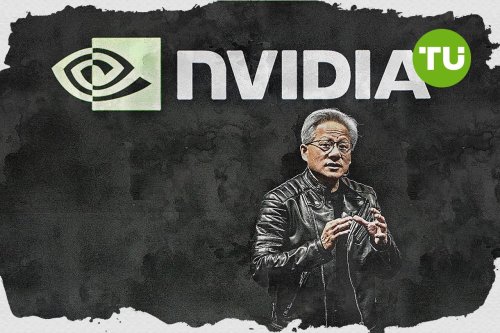
As first reported by CNBC, Warren says in a letter that Huang is invited to testify before the Senate Banking Committee about Nvidia’s business in China and its views on U.S. export control laws and regulations. She asks him to confirm by Monday, setting up a rare opportunity for senators to question the head of one of the biggest beneficiaries of the artificial intelligence boom.Nvidia’s chips power many of the data centers behind advanced AI models, placing the company at the center of both commercial AI growth and the policy fight over technology exports to China. The planned hearing comes weeks after Huang accompanies President Donald Trump to China for a summit with Chinese President Xi Jinping.
Lawmakers and national security officials are increasing pressure on U.S. chipmakers over concerns that advanced semiconductors could help China strengthen military and surveillance capabilities. Both the Biden and Trump administrations move to limit China’s access to advanced AI chips, while Nvidia argues that overly broad restrictions could hurt U.S. competitiveness and steer buyers toward non-U.S. suppliers.
Broader policy debate reaches data centers and workers
The Senate push coincides with a separate effort by Republicans on the House Energy and Commerce Committee, who are calling for an investigation into what they describe as China’s attempts to impede U.S. AI and data-center development. Warren also says on CNBC’s “Squawk Box” that she is concerned U.S. companies are profiting from technology sales that could undermine national security.She is also expanding the discussion beyond export controls. In the same interview, Warren warns that AI could bring major disruption for workers and calls for an excise tax on data centers to help fund health care, child care, education and job training.
In our earlier report on the House Energy and Commerce Committee’s request for an investigation into foreign influence campaigns targeting U.S. data center expansion, we outlined lawmakers’ concerns that overseas-backed networks may be fueling opposition to new AI-related infrastructure. We also noted that the inquiry ties data center buildout to U.S. technological competitiveness and national security priorities amid intensifying rivalry with China.






-
 Afghanistan
-
 Albania
-
 Algeria
-
 Angola
-
 Argentina
-
 Armenia
-
 Australia
-
 Austria
-
 Azerbaijan
-
 Bahamas
-
 Bahrain
-
 Bangladesh
-
 Belarus
-
 Belgium
-
 Bolivia
-
 Botswana
-
 Brazil
-
 Brunei
-
 Bulgaria
-
 Cambodia
-
 Cameroon
-
 Canada
-
 Chile
Chile
-
 China
China
-
 Colombia
-
 Congo
Congo
-
 Costa Rica
-
 Cote d'Ivoire
-
 Croatia
-
 Cuba
Cuba
-
 Cyprus
-
 Czechia
-
 DR Congo
-
 Denmark
-
 Dominican Republic
-
 Ecuador
-
 Egypt
Egypt
-
 El Salvador
-
 Estonia
-
 Eswatini
-
 Ethiopia
-
 Finland
-
 France
-
 Georgia
-
 Germany
-
 Ghana
Ghana
-
 Greece
-
 Haiti
Haiti
-
 Hong Kong
-
 Hungary
-
 India
India
-
 Indonesia
-
 Iran, Islamic republic
-
 Iraq
Iraq
-
 Ireland
-
 Israel
-
 Italy
Italy
-
 Jamaica
-
 Japan
Japan
-
 Jordan
-
 Kazakhstan
-
 Kenya
Kenya
-
 Korea
Korea
-
 Kuwait
-
 Kyrgyzstan
-
 Laos
Laos
-
 Latvia
-
 Lebanon
-
 Lesotho
-
 Libya
Libya
-
 Lithuania
-
 Luxembourg
-
 Madagascar
-
 Malaysia
-
 Malta
Malta
-
 Mauritius
-
 Mexico
-
 Moldova
-
 Mongolia
-
 Montenegro
-
 Morocco
-
 Mozambique
-
 Myanmar
-
 Namibia
-
 Nepal
Nepal
-
 Netherlands
-
 New Zealand
-
 Nigeria
-
 North Macedonia
-
 Norway
-
 Oman
Oman
-
 Pakistan
-
 Palestine
-
 Panama
-
 Papua New Guinea
-
 Paraguay
-
 Peru
Peru
-
 Philippines
-
 Poland
-
 Portugal
-
 Puerto Rico
-
 Qatar
Qatar
-
 Reunion
-
 Romania
-
 Rwanda
-
 Saudi Arabia
-
 Serbia
-
 Singapore
-
 Slovakia
-
 Slovenia
-
 Somalia
-
 South Africa
-
 Spain
Spain
-
 Sri Lanka
-
 Sweden
-
 Switzerland
-
 Syria
Syria
-
 Taiwan
-
 Tajikistan
-
 Tanzania
-
 Thailand
-
 Trinidad and Tobago
-
 Tunisia
-
 Turkey
-
 UAE
UAE
-
 Uganda
-
 Ukraine
-
 United Kingdom
-
United States
-
 Uruguay
-
 Uzbekistan
-
 Venezuela
-
 Vietnam
-
 Yemen
Yemen
-
 Zambia
-
 Zimbabwe
- Forex
- Crypto












