

European airlines face €3.2bn in unclaimed delay compensation exposure

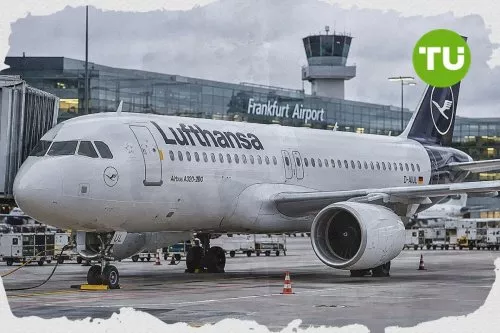
Europe's airline sector remains exposed to billions of euros in potential passenger repayments because a large share of eligible delay claims still goes unfiled. Financial Times calculations indicate that out of roughly €18bn due for delayed flights between 2011 and 2025, airlines have paid only €7.7bn and still face about €3.2bn that can be claimed.
Highlights
- European airlines face €3.2bn in unclaimed delay compensation exposure due to opaque rules, slow claims processing and limited passenger awareness, according to Eurocontrol data.
- EU negotiations on revising passenger compensation rules have stalled, with proposals to raise payout triggers for delays and reduce short-haul and long-haul compensation to €300 and €500 respectively.
- A European Commission report found airlines were liable for €4.5bn in compensation in 2018 but paid only €2.3bn, despite a rise in successful passenger claims from 10% in 2011 to 58% in 2018.
Compensation gap widens as EU overhaul stalls
As reported by the Financial Times, the estimate is based on analysis of Eurocontrol delay data and highlights how opaque rules, slow claims handling and limited passenger awareness continue to undermine Europe's compensation regime.Passengers can seek compensation for up to six years after a disruption, leaving carriers liable for a sizeable backlog of unpaid claims tied to delayed flights. The figures also exclude cancellation compensation, which is harder to measure precisely but is also expected to run into the billions.
Negotiations over a planned revision of EU passenger compensation rules falter this week, with disagreements centring on payouts for delayed travellers. Member states support proposals to raise the current compensation trigger from three hours to four hours for short-haul routes and to six hours for long-haul services, while reducing payouts to €300 and €500 respectively.
MEPs seek to preserve existing passenger protections while simplifying reimbursement procedures, and talks are set to resume next week. Industry group Airlines for Europe says no deal is preferable to reforms that do not address the underlying causes of delays and could raise airlines' costs and ticket prices.
Claims process weaknesses sustain airline liabilities
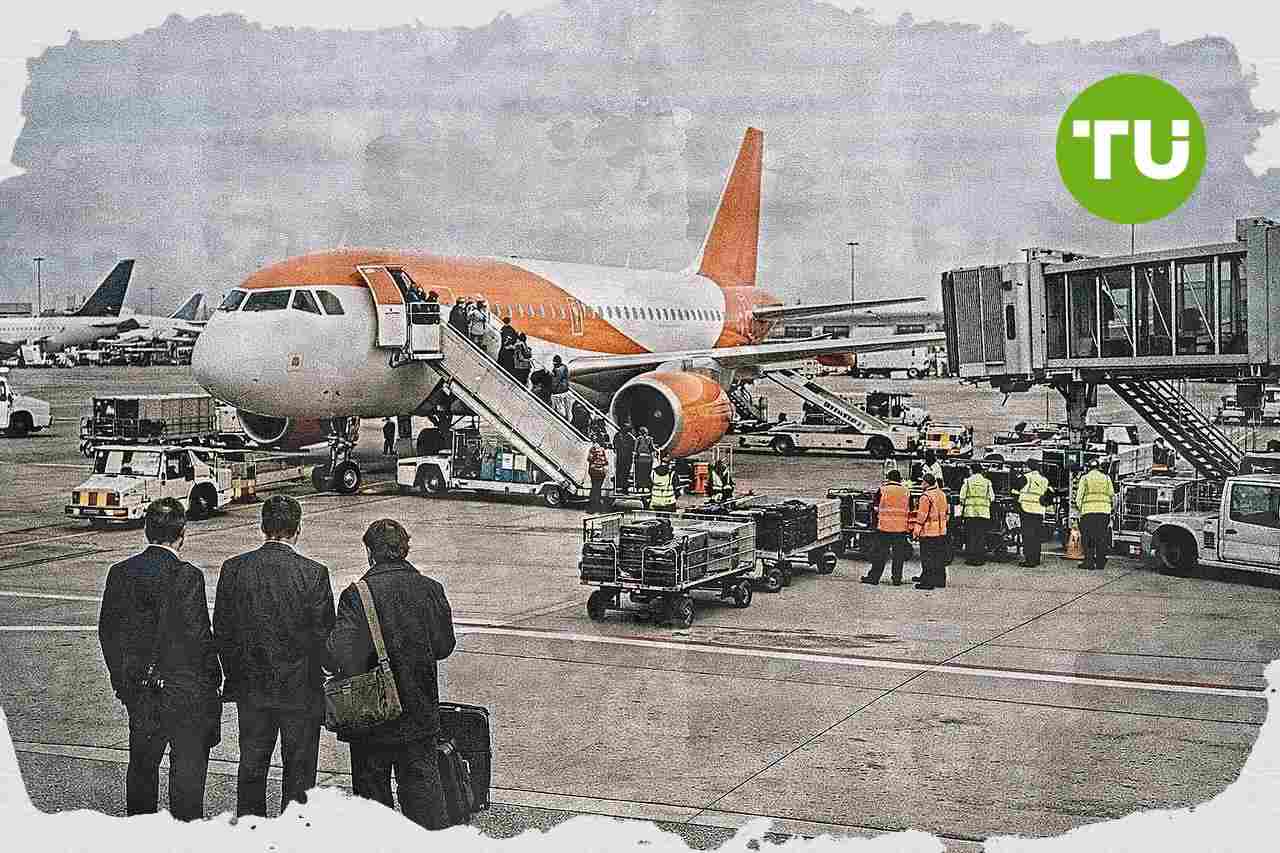
The EU system, introduced in 2004 to support punctuality and reliability as European aviation liberalised, entitles travellers to between €250 and €600 for cancellations or delays exceeding three hours, as well as replacement flights, hotel stays and meals.Even so, many passengers do not pursue compensation or do not know they are eligible. Critics say airline claim portals are often difficult to locate, while carriers can take up to six weeks to respond and another three months to settle accepted claims. Airlines may also reject claims by citing extraordinary circumstances, and unlike some rail operators in Europe, they are not required to tell passengers when compensation rights apply.
Andrew Lobbenberg, an airlines analyst at Barclays, says the system is a mess and points to a lack of clarity in the rules. Airlines maintain that many disruptions stem from factors outside their control, including underfunded air traffic control systems.
Historical data show some improvement in passenger take-up, but not enough to eliminate the gap. A European Commission report published in 2020, using data compiled by transport consultancy Steer for 2011 to 2018, found that 58 per cent of passengers successfully claimed delay compensation in 2018, up from 10 per cent in 2011. The same report estimated airlines were liable for €4.5bn in compensation for all disruptions in 2018 but paid only €2.3bn.
Our earlier coverage of Brexit’s impact on the City of London noted that, a decade on, London has largely retained its role as Europe’s leading financial hub despite predictions of a major exodus. We pointed out that job growth in the sector has continued and that rival EU centers have not attracted large numbers of banks and finance professionals away from the UK.






Latest Lufthansa News


-
 Afghanistan
-
 Albania
-
 Algeria
-
 Angola
-
 Argentina
-
 Armenia
-
 Australia
-
 Austria
-
 Azerbaijan
-
 Bahamas
-
 Bahrain
-
 Bangladesh
-
 Belarus
-
 Belgium
-
 Bolivia
-
 Botswana
-
 Brazil
-
 Brunei
-
 Bulgaria
-
 Cambodia
-
 Cameroon
-
 Canada
-
 Chile
-
 China
-
 Colombia
-
 Congo
-
 Costa Rica
-
 Cote d'Ivoire
-
 Croatia
-
 Cuba
-
 Cyprus
-
 Czechia
-
 DR Congo
-
 Denmark
-
 Dominican Republic
-
 Ecuador
-
 Egypt
-
 El Salvador
-
 Estonia
-
 Eswatini
-
 Ethiopia
-
 Finland
-
 France
-
 Georgia
-
 Germany
-
 Ghana
-
 Greece
-
 Haiti
-
 Hong Kong
-
 Hungary
-
 India
-
 Indonesia
-
 Iran, Islamic republic
-
 Iraq
-
 Ireland
-
 Israel
-
 Italy
-
 Jamaica
-
 Japan
-
 Jordan
-
 Kazakhstan
-
 Kenya
-
 Korea
-
 Kuwait
-
 Kyrgyzstan
-
 Laos
-
 Latvia
-
 Lebanon
-
 Lesotho
-
 Libya
-
 Lithuania
-
 Luxembourg
-
 Madagascar
-
 Malaysia
-
 Malta
-
 Mauritius
-
 Mexico
-
 Moldova
-
 Mongolia
-
 Montenegro
-
 Morocco
-
 Mozambique
-
 Myanmar
-
 Namibia
-
 Nepal
-
 Netherlands
-
 New Zealand
-
 Nigeria
-
 North Macedonia
-
 Norway
-
 Oman
-
 Pakistan
-
 Palestine
-
 Panama
-
 Papua New Guinea
-
 Paraguay
-
 Peru
-
 Philippines
-
 Poland
-
 Portugal
-
 Puerto Rico
-
 Qatar
-
 Reunion
-
 Romania
-
 Rwanda
-
 Saudi Arabia
-
 Serbia
-
 Singapore
-
 Slovakia
-
 Slovenia
-
 Somalia
-
 South Africa
-
 Spain
-
 Sri Lanka
-
 Sweden
-
 Switzerland
-
 Syria
-
 Taiwan
-
 Tajikistan
-
 Tanzania
-
 Thailand
-
 Trinidad and Tobago
-
 Tunisia
-
 Turkey
-
 UAE
-
 Uganda
-
 Ukraine
-
 United Kingdom
-
United States
-
 Uruguay
-
 Uzbekistan
-
 Venezuela
-
 Vietnam
-
 Yemen
-
 Zambia
-
 Zimbabwe
- Forex
- Crypto












