
U.S. student-loan collections shift raises risks for borrowers in default

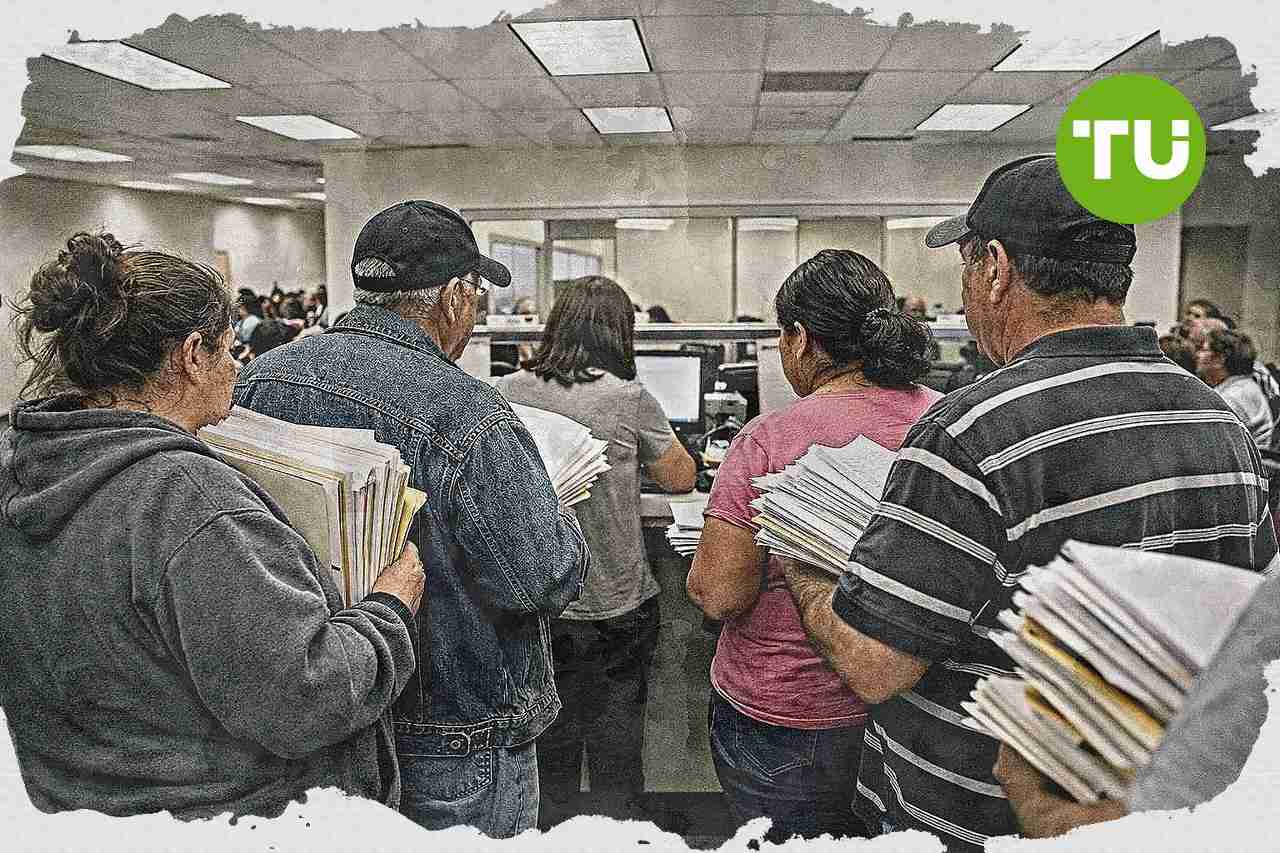
More than 10 million federal student-loan borrowers are in default or delinquency as the Trump administration moves defaulted accounts from the Department of Education to the Treasury Department for collection. The change could bring private debt collectors with a record of regulatory penalties back into the system, adding potential fees, confusion and redefault risks for borrowers.
Highlights
- Defaulted federal student loan borrowers will transfer to Treasury’s Cross-Servicing program, reviving the use of private collection agencies like Pioneer Credit Recovery and Transworld Systems.
- In 2024, Pioneer was ordered to pay $100 million and Transworld $2.5 million in penalties for prior deceptive or abusive debt collection practices affecting borrowers.
- Policy experts warn the shift raises risks of higher fees, weaker complaint resolution, and inadequate oversight as Treasury lacks proven student-loan-specific expertise.
Treasury transfer revives private collection concerns
As first reported by Business Insider, defaulted federal student-loan borrowers are set to move into the Treasury Department's Cross-Servicing program, which relies on private contractors to collect government debts. The Department of Education has not said when the current pause on involuntary collections will end, and it did not specify how extensively Pioneer Credit Recovery and Transworld Systems will be used once collections resume.Former officials and policy specialists say the operational shift could complicate repayment for borrowers already struggling to exit default. Bonnie Latreille, a former official in the Education Department's Federal Student Aid office, says there is little reason to expect these companies to fully protect borrower rights, while former Federal Student Aid loan portfolio executive Colleen Campbell says adding more agencies and vendors makes the process harder for borrowers to navigate.
The administration argues the Treasury is better positioned to run collections. Treasury Secretary Scott Bessent said in a March press release that the department has the experience and financial expertise to impose stronger discipline on the program, and Undersecretary Nicholas Kent said in April that Treasury is well equipped to manage federal student loans as the transfer begins with defaulted borrowers before expanding further.
Past enforcement actions and borrower impact
The return of private collectors revives scrutiny of companies previously accused by federal watchdogs of deceptive or abusive conduct. The Consumer Financial Protection Bureau said private agencies misrepresented options to borrowers, including implying lawsuits were likely and steering some people into more expensive repayment paths.In 2017, the CFPB sued Pioneer for what it described as deceptive and abusive practices, including directing borrowers toward costly forbearance instead of more favorable income-driven repayment plans. A court ordered the company in 2024 to pay $100 million to affected borrowers, while Transworld Systems was fined $2.5 million that year by the CFPB for filing debt-collection lawsuits without proof the debts were owed; Transworld said it settled to avoid costly litigation, and Navient, which oversaw Pioneer, denied wrongdoing.
Education policy experts say borrowers could now face higher collection fees, weaker complaint resolution and a greater chance of falling back into default. Campbell also points to concerns about poor coordination between agencies during the handoff, while Sara Partridge of the Center for American Progress says there is no evidence Treasury has the student-loan-specific expertise needed to oversee these contractors effectively.
Our earlier coverage of the U.S. gross national debt highlighted that total federal borrowing has climbed to $39.20 trillion, with the debt rising by about $8.19 billion per day and potentially reaching $40 trillion by late September 2026. We also noted that higher interest rates are increasing the government’s debt-servicing burden, adding pressure to federal finances.


Latest Retirement Policies News





-
 Afghanistan
-
 Albania
-
 Algeria
-
 Angola
-
 Argentina
-
 Armenia
-
 Australia
-
 Austria
-
 Azerbaijan
-
 Bahamas
-
 Bahrain
-
 Bangladesh
-
 Belarus
-
 Belgium
-
 Bolivia
-
 Botswana
-
 Brazil
-
 Brunei
-
 Bulgaria
-
 Cambodia
-
 Cameroon
-
 Canada
-
 Chile
Chile
-
 China
China
-
 Colombia
-
 Congo
Congo
-
 Costa Rica
-
 Cote d'Ivoire
-
 Croatia
-
 Cuba
Cuba
-
 Cyprus
-
 Czechia
-
 DR Congo
-
 Denmark
-
 Dominican Republic
-
 Ecuador
-
 Egypt
Egypt
-
 El Salvador
-
 Estonia
-
 Eswatini
-
 Ethiopia
-
 Finland
-
 France
-
 Georgia
-
 Germany
-
 Ghana
Ghana
-
 Greece
-
 Haiti
Haiti
-
 Hong Kong
-
 Hungary
-
 India
India
-
 Indonesia
-
 Iran, Islamic republic
-
 Iraq
Iraq
-
 Ireland
-
 Israel
-
 Italy
Italy
-
 Jamaica
-
 Japan
Japan
-
 Jordan
-
 Kazakhstan
-
 Kenya
Kenya
-
 Korea
Korea
-
 Kuwait
-
 Kyrgyzstan
-
 Laos
Laos
-
 Latvia
-
 Lebanon
-
 Lesotho
-
 Libya
Libya
-
 Lithuania
-
 Luxembourg
-
 Madagascar
-
 Malaysia
-
 Malta
Malta
-
 Mauritius
-
 Mexico
-
 Moldova
-
 Mongolia
-
 Montenegro
-
 Morocco
-
 Mozambique
-
 Myanmar
-
 Namibia
-
 Nepal
Nepal
-
 Netherlands
-
 New Zealand
-
 Nigeria
-
 North Macedonia
-
 Norway
-
 Oman
Oman
-
 Pakistan
-
 Palestine
-
 Panama
-
 Papua New Guinea
-
 Paraguay
-
 Peru
Peru
-
 Philippines
-
 Poland
-
 Portugal
-
 Puerto Rico
-
 Qatar
Qatar
-
 Reunion
-
 Romania
-
 Rwanda
-
 Saudi Arabia
-
 Serbia
-
 Singapore
-
 Slovakia
-
 Slovenia
-
 Somalia
-
 South Africa
-
 Spain
Spain
-
 Sri Lanka
-
 Sweden
-
 Switzerland
-
 Syria
Syria
-
 Taiwan
-
 Tajikistan
-
 Tanzania
-
 Thailand
-
 Trinidad and Tobago
-
 Tunisia
-
 Turkey
-
 UAE
UAE
-
 Uganda
-
 Ukraine
-
 United Kingdom
-
United States
-
 Uruguay
-
 Uzbekistan
-
 Venezuela
-
 Vietnam
-
 Yemen
Yemen
-
 Zambia
-
 Zimbabwe
- Forex
- Crypto












