
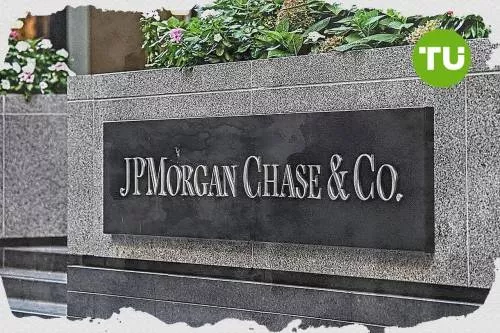
JPMorgan launches $50 billion buyback as major U.S. banks lift payouts after Fed stress test

Large U.S. banks are increasing shareholder payouts after the Federal Reserve's latest stress test shows the sector remains well capitalized under a hypothetical recession. The outcome comes as the central bank keeps stress capital buffers unchanged through 2027, limiting the test's immediate effect on formal capital requirements.
Highlights
- JPMorgan Chase announces a $50 billion share repurchase program and plans to raise its quarterly dividend by 10% to $1.65 per share, effective July 1.
- Goldman Sachs increases its quarterly dividend by 11% to $5 per share following strong earnings and a solid capital position after clearing the Fed's stress test.
- All 32 large U.S. banks remain above minimum capital requirements post-stress test, as the Fed keeps stress capital buffers unchanged through 2027, supporting ongoing capital returns.
Capital return plans after stress test
As reported by CNBC, JPMorgan Chase says it is launching a new $50 billion share repurchase program and plans to raise its quarterly dividend by 10% to $1.65 per share, subject to board approval. The buyback authorization takes effect on July 1 after the Federal Reserve finds the largest U.S. banks remain above minimum capital requirements in its annual stress test.Jamie Dimon, chief executive of JPMorgan, says in a statement that the planned dividend increase is backed by consistent investment in the business and strong financial performance. He adds that the bank remains prepared for a wide range of outcomes, including the hypothetical 2026 supervisory severely adverse scenario.
Goldman Sachs also raises its quarterly dividend, saying the payout will increase 11% to $5 per share. The bank cites strong earnings and its capital position in support of the move.
Regulatory backdrop and market implications
The Federal Reserve says all 32 large banks in the test remain above their minimum capital requirements even after a hypothetical recession that produces more than $708 billion in projected industry losses. That result reinforces expectations that the biggest lenders can continue returning capital to shareholders despite a tougher economic scenario in the exercise.Unlike in previous years, the stress test does not alter banks' capital requirements. The Fed says earlier this year that it will keep stress capital buffers unchanged through 2027 while it revises the testing methodology, giving banks clarity on their capital framework before the results are released.
Analysts largely expect the exercise to have little immediate effect, but the payout increases signal confidence from bank management teams during a period of regulatory uncertainty. KBW says in a note before the results that this year's test amounts to "going through the motions," with investors paying closer attention to the Basel III Endgame proposal expected later this year.
In our earlier article on GE Aerospace’s dividend hike, we noted that the company raised its quarterly payout by 30.6% to 36 cents per share as a clear signal of confidence in future earnings and cash generation. We also highlighted that the stock was trading above key moving averages with strong bullish momentum, while overbought indicators pointed to the risk of short-term consolidation within a defined trading range.


Latest JPMorgan Chase News






-
 Afghanistan
-
 Albania
-
 Algeria
-
 Angola
-
 Argentina
-
 Armenia
-
 Australia
-
 Austria
-
 Azerbaijan
-
 Bahamas
-
 Bahrain
-
 Bangladesh
-
 Belarus
-
 Belgium
-
 Bolivia
-
 Botswana
-
 Brazil
-
 Brunei
-
 Bulgaria
-
 Cambodia
-
 Cameroon
-
 Canada
-
 Chile
Chile
-
 China
China
-
 Colombia
-
 Congo
Congo
-
 Costa Rica
-
 Cote d'Ivoire
-
 Croatia
-
 Cuba
Cuba
-
 Cyprus
-
 Czechia
-
 DR Congo
-
 Denmark
-
 Dominican Republic
-
 Ecuador
-
 Egypt
Egypt
-
 El Salvador
-
 Estonia
-
 Eswatini
-
 Ethiopia
-
 Finland
-
 France
-
 Georgia
-
 Germany
-
 Ghana
Ghana
-
 Greece
-
 Haiti
Haiti
-
 Hong Kong
-
 Hungary
-
 India
India
-
 Indonesia
-
 Iran, Islamic republic
-
 Iraq
Iraq
-
 Ireland
-
 Israel
-
 Italy
Italy
-
 Jamaica
-
 Japan
Japan
-
 Jordan
-
 Kazakhstan
-
 Kenya
Kenya
-
 Korea
Korea
-
 Kuwait
-
 Kyrgyzstan
-
 Laos
Laos
-
 Latvia
-
 Lebanon
-
 Lesotho
-
 Libya
Libya
-
 Lithuania
-
 Luxembourg
-
 Madagascar
-
 Malaysia
-
 Malta
Malta
-
 Mauritius
-
 Mexico
-
 Moldova
-
 Mongolia
-
 Montenegro
-
 Morocco
-
 Mozambique
-
 Myanmar
-
 Namibia
-
 Nepal
Nepal
-
 Netherlands
-
 New Zealand
-
 Nigeria
-
 North Macedonia
-
 Norway
-
 Oman
Oman
-
 Pakistan
-
 Palestine
-
 Panama
-
 Papua New Guinea
-
 Paraguay
-
 Peru
Peru
-
 Philippines
-
 Poland
-
 Portugal
-
 Puerto Rico
-
 Qatar
Qatar
-
 Reunion
-
 Romania
-
 Rwanda
-
 Saudi Arabia
-
 Serbia
-
 Singapore
-
 Slovakia
-
 Slovenia
-
 Somalia
-
 South Africa
-
 Spain
Spain
-
 Sri Lanka
-
 Sweden
-
 Switzerland
-
 Syria
Syria
-
 Taiwan
-
 Tajikistan
-
 Tanzania
-
 Thailand
-
 Trinidad and Tobago
-
 Tunisia
-
 Turkey
-
 UAE
UAE
-
 Uganda
-
 Ukraine
-
 United Kingdom
-
United States
-
 Uruguay
-
 Uzbekistan
-
 Venezuela
-
 Vietnam
-
 Yemen
Yemen
-
 Zambia
-
 Zimbabwe
- Forex
- Crypto











