

Senate Judiciary Committee chair backs move to keep U.S. Supreme Court at nine seats
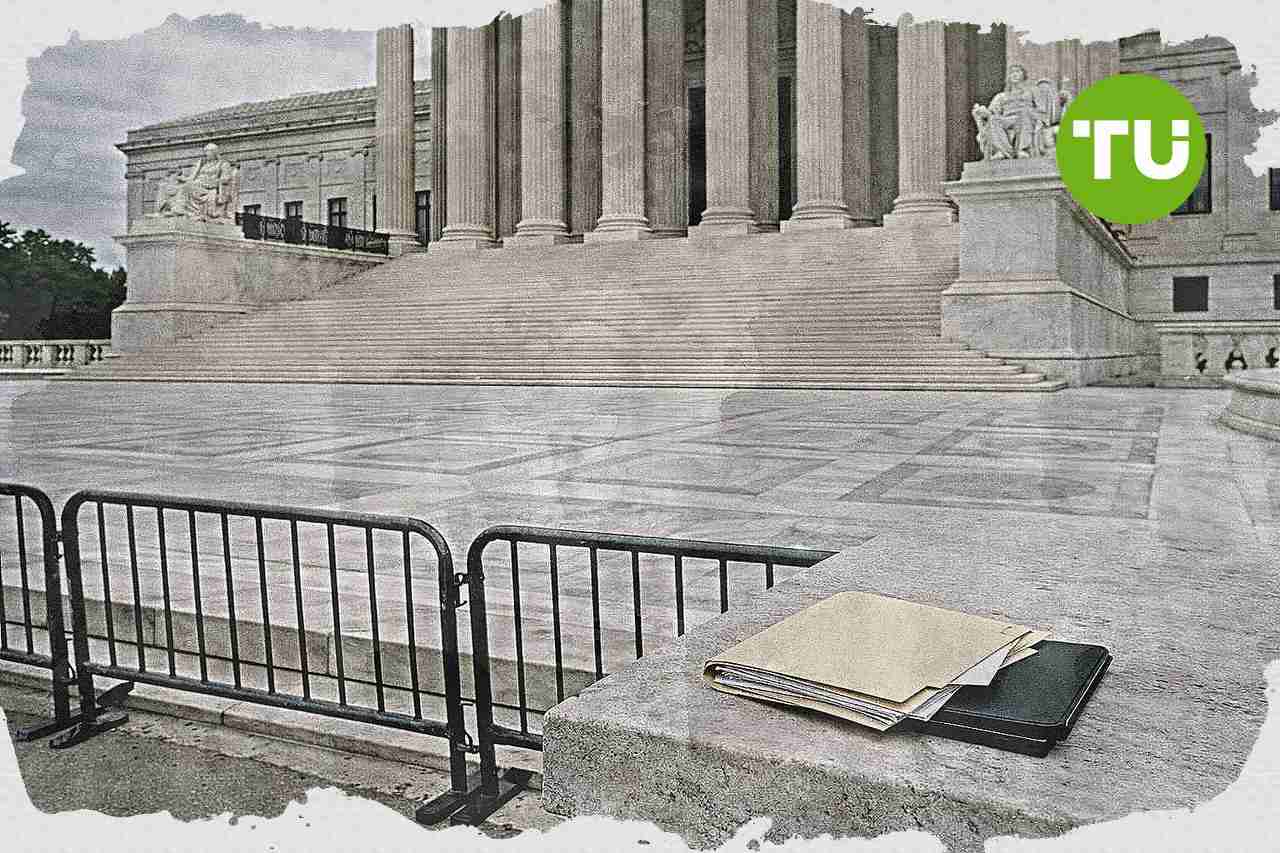
Debate over the size of the U.S. Supreme Court is returning to the political agenda as the 2026 midterms approach and arguments over judicial power intensify. Senate Judiciary Committee Chairman Chuck Grassley is using the historical fight over Franklin D. Roosevelt's 1937 plan to argue that expanding the bench would upset the balance between branches of government.
Highlights
- Senate Judiciary Committee chair Grassley opposes Democratic calls to expand the U.S. Supreme Court, likening it to Roosevelt's discredited 1937 court-packing plan.
- Grassley argues Congress has authority over Supreme Court size, notes the number of justices has remained at nine since 1869, and rebuffs proposals to match judicial circuits.
- He supports a constitutional amendment to fix the court at nine justices, warning expansion would damage judicial independence and threaten institutional stability ahead of the nation's 250th anniversary.
Grassley ties current debate to 1937 court fight
As outlined in an opinion piece published by the Senate Committee on the Judiciary, Grassley says Democratic support for adding justices to the Supreme Court revives what he calls a discredited court-packing strategy first tested during Roosevelt's presidency.He points to comments by Kamala Harris, identified as Democrats' 2024 presidential nominee, and to recent threats by Democrats in Virginia to expand their state Supreme Court after an unfavorable ruling. Grassley also criticizes a recent opinion article in The Hill that argued adding four seats under a future Democratic governing trifecta would amount to "unpacking" the court rather than packing it.
Grassley frames the current dispute through the 1937 Judicial Procedures Reform Act, which would have allowed Roosevelt to appoint additional justices for sitting members older than 70. He argues the plan sought to overcome Supreme Court rulings that had blocked parts of the New Deal and notes that Congress, not the president, holds authority over the size of the federal judiciary.
He adds that the number of justices has been fixed at nine since 1869 and rejects arguments that the bench should be expanded to match the number of federal judicial circuits. Grassley also cites Chief Justice Charles Evan Hughes' opposition at the time, saying more justices would weaken rather than improve the court's efficiency.
Political and institutional stakes
Grassley says Roosevelt's proposal failed because both the public and lawmakers viewed it as a threat to the separation of powers. He highlights the Senate Judiciary Committee's June 14, 1937 report, which called the plan "needless, futile, and utterly dangerous," before the Senate defeated it the following month.Using that episode as a warning for the current debate, Grassley argues that expanding the court would damage the judiciary's independence and create a precedent future presidents could exploit. He says he supports a constitutional amendment to keep the Supreme Court at nine justices, presenting the measure as a safeguard for institutional stability as the U.S. approaches the 250th anniversary of the nation's founding.
In our earlier coverage of House Republicans advancing the FY2027 appropriations process, we outlined how GOP appropriators moved all 12 annual spending bills through subcommittees and the full committee as a bid to restore “regular order” and shape federal priorities. We noted that the push was framed as both fiscal oversight and a way to advance President Trump’s agenda ahead of House floor action and later negotiations with the Senate.






Latest Paychex Inc News





-
 Afghanistan
-
 Albania
-
 Algeria
-
 Angola
-
 Argentina
-
 Armenia
-
 Australia
-
 Austria
-
 Azerbaijan
-
 Bahamas
-
 Bahrain
-
 Bangladesh
-
 Belarus
-
 Belgium
-
 Bolivia
-
 Botswana
-
 Brazil
-
 Brunei
-
 Bulgaria
-
 Cambodia
-
 Cameroon
-
 Canada
-
 Chile
-
 China
-
 Colombia
-
 Congo
-
 Costa Rica
-
 Cote d'Ivoire
-
 Croatia
-
 Cuba
-
 Cyprus
-
 Czechia
-
 DR Congo
-
 Denmark
-
 Dominican Republic
-
 Ecuador
-
 Egypt
-
 El Salvador
-
 Estonia
-
 Eswatini
-
 Ethiopia
-
 Finland
-
 France
-
 Georgia
-
 Germany
-
 Ghana
-
 Greece
-
 Haiti
-
 Hong Kong
-
 Hungary
-
 India
-
 Indonesia
-
 Iran, Islamic republic
-
 Iraq
-
 Ireland
-
 Israel
-
 Italy
-
 Jamaica
-
 Japan
-
 Jordan
-
 Kazakhstan
-
 Kenya
-
 Korea
-
 Kuwait
-
 Kyrgyzstan
-
 Laos
-
 Latvia
-
 Lebanon
-
 Lesotho
-
 Libya
-
 Lithuania
-
 Luxembourg
-
 Madagascar
-
 Malaysia
-
 Malta
-
 Mauritius
-
 Mexico
-
 Moldova
-
 Mongolia
-
 Montenegro
-
 Morocco
-
 Mozambique
-
 Myanmar
-
 Namibia
-
 Nepal
-
 Netherlands
-
 New Zealand
-
 Nigeria
-
 North Macedonia
-
 Norway
-
 Oman
-
 Pakistan
-
 Palestine
-
 Panama
-
 Papua New Guinea
-
 Paraguay
-
 Peru
-
 Philippines
-
 Poland
-
 Portugal
-
 Puerto Rico
-
 Qatar
-
 Reunion
-
 Romania
-
 Rwanda
-
 Saudi Arabia
-
 Serbia
-
 Singapore
-
 Slovakia
-
 Slovenia
-
 Somalia
-
 South Africa
-
 Spain
-
 Sri Lanka
-
 Sweden
-
 Switzerland
-
 Syria
-
 Taiwan
-
 Tajikistan
-
 Tanzania
-
 Thailand
-
 Trinidad and Tobago
-
 Tunisia
-
 Turkey
-
 UAE
-
 Uganda
-
 Ukraine
-
 United Kingdom
-
United States
-
 Uruguay
-
 Uzbekistan
-
 Venezuela
-
 Vietnam
-
 Yemen
-
 Zambia
-
 Zimbabwe
- Forex
- Crypto












