
Wall Street law firms confront rising insider trading risks

Fresh U.S. securities fraud charges are forcing major corporate law firms to reassess how confidential deal information is accessed and protected inside their organisations. The case centres on alleged stock trading tied to private M&A data and is raising broader concerns over whether digital document systems create new vulnerabilities for the legal sector.
Highlights
- U.S. prosecutors in May charged 30 individuals, including lawyers from firms such as Goodwin and Latham & Watkins, with decade-long insider trading generating tens of millions of illicit profits.
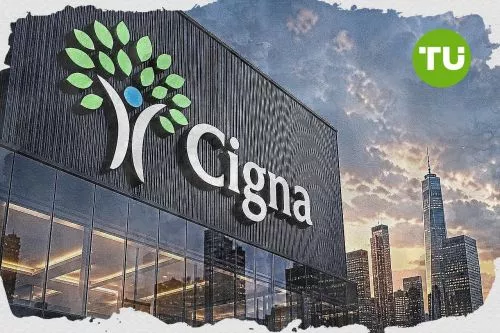
- Indictments allege confidential deal details from companies like Johnson & Johnson and Cigna were accessed via electronic document systems by individuals not directly assigned to transactions.
- Industry experts highlight that digitisation of deal data has increased insider trading risks in law firms, prompting adoption of AI-driven monitoring and stricter role-based access controls.
Charges expose weaknesses in deal data controls
As reported by the Financial Times, U.S. federal prosecutors in May charged 30 individuals with securities fraud that allegedly generated tens of millions of dollars in illicit profits over a decade-long scheme involving several corporate lawyers at elite firms including Goodwin, Latham & Watkins, Wachtell, Lipton, Sidley Austin and Weil Gotshal.The deals cited by prosecutors involve companies including Johnson & Johnson, Cigna and Occidental Petroleum. The law firms are not targets of the federal investigation, and each tells the Financial Times it is shocked by the allegations and is co-operating with authorities.
According to the indictments, the recent case involving lawyer Nicolo Nourafchan and an unnamed co-conspirator alleges that confidential deal details were obtained through electronic document management systems, including from matters the individuals were not directly working on. Nourafchan enters a not guilty plea on June 1.
Legal scholars say the issue is especially sensitive because insider trading law in the U.S. has long been shaped in part by cases involving lawyers. Georgetown University law professor Donald Langevoort says, sadly, that history includes lawyers, while past landmark cases involving figures such as Ilan Reich and James O'Hagan remain central to the legal framework governing misuse of non-public information.
Technology and compliance pressures reshape risk management
Experts say the expansion of high-value deal work and the digitisation of sensitive information are creating a new operating environment for law firms, where confidential files can be more easily accessed and potentially misused. Devika Kewalramani, a partner at FisherBroyles and a legal ethics specialist, says securing, protecting and storing electronic client data has become a major challenge for firms and that no universal standard is imposed on the sector.Technology providers are now positioning software as part of the answer. Massachusetts-based Congruity 360 advocates role-based access controls that limit sensitive documents to deal team members who need them, and says AI tools can generate alerts when activity appears suspicious, such as a paralegal opening a folder left untouched for months.
Even with vetting, training and monitoring, specialists acknowledge there is no guaranteed way to stop lawyers from breaching professional duties. Rising pay across big corporate law firms has not removed pressures around status and lifestyle in cities such as New York, and some people interviewed by the Financial Times suggest those social dynamics mean insider trading risks in Big Law are unlikely to disappear entirely.
Our earlier article on the Financial Exploitation Prevention Act of 2025 covered the U.S. House’s overwhelming approval of H.R. 2478, which would let financial institutions and mutual funds temporarily delay transactions when they reasonably suspect exploitation of older or disabled clients. We noted the bill’s aim to curb rapidly rising senior fraud losses and to push firms toward more proactive monitoring and intervention when warning signs appear.


Latest Cigna News




-
 Afghanistan
-
 Albania
-
 Algeria
-
 Angola
-
 Argentina
-
 Armenia
-
 Australia
-
 Austria
-
 Azerbaijan
-
 Bahamas
-
 Bahrain
-
 Bangladesh
-
 Belarus
-
 Belgium
-
 Bolivia
-
 Botswana
-
 Brazil
-
 Brunei
-
 Bulgaria
-
 Cambodia
-
 Cameroon
-
 Canada
-
 Chile
Chile
-
 China
China
-
 Colombia
-
 Congo
Congo
-
 Costa Rica
-
 Cote d'Ivoire
-
 Croatia
-
 Cuba
Cuba
-
 Cyprus
-
 Czechia
-
 DR Congo
-
 Denmark
-
 Dominican Republic
-
 Ecuador
-
 Egypt
Egypt
-
 El Salvador
-
 Estonia
-
 Eswatini
-
 Ethiopia
-
 Finland
-
 France
-
 Georgia
-
 Germany
-
 Ghana
Ghana
-
 Greece
-
 Haiti
Haiti
-
 Hong Kong
-
 Hungary
-
 India
India
-
 Indonesia
-
 Iran, Islamic republic
-
 Iraq
Iraq
-
 Ireland
-
 Israel
-
 Italy
Italy
-
 Jamaica
-
 Japan
Japan
-
 Jordan
-
 Kazakhstan
-
 Kenya
Kenya
-
 Korea
Korea
-
 Kuwait
-
 Kyrgyzstan
-
 Laos
Laos
-
 Latvia
-
 Lebanon
-
 Lesotho
-
 Libya
Libya
-
 Lithuania
-
 Luxembourg
-
 Madagascar
-
 Malaysia
-
 Malta
Malta
-
 Mauritius
-
 Mexico
-
 Moldova
-
 Mongolia
-
 Montenegro
-
 Morocco
-
 Mozambique
-
 Myanmar
-
 Namibia
-
 Nepal
Nepal
-
 Netherlands
-
 New Zealand
-
 Nigeria
-
 North Macedonia
-
 Norway
-
 Oman
Oman
-
 Pakistan
-
 Palestine
-
 Panama
-
 Papua New Guinea
-
 Paraguay
-
 Peru
Peru
-
 Philippines
-
 Poland
-
 Portugal
-
 Puerto Rico
-
 Qatar
Qatar
-
 Reunion
-
 Romania
-
 Rwanda
-
 Saudi Arabia
-
 Serbia
-
 Singapore
-
 Slovakia
-
 Slovenia
-
 Somalia
-
 South Africa
-
 Spain
Spain
-
 Sri Lanka
-
 Sweden
-
 Switzerland
-
 Syria
Syria
-
 Taiwan
-
 Tajikistan
-
 Tanzania
-
 Thailand
-
 Trinidad and Tobago
-
 Tunisia
-
 Turkey
-
 UAE
UAE
-
 Uganda
-
 Ukraine
-
 United Kingdom
-
United States
-
 Uruguay
-
 Uzbekistan
-
 Venezuela
-
 Vietnam
-
 Yemen
Yemen
-
 Zambia
-
 Zimbabwe
- Forex
- Crypto











