
SpaceX set for Nasdaq 100 inflows as Wall Street starts coverage

Fresh from one of the fastest entries into a major benchmark after its June 12 market debut, SpaceX is poised to become a new focal point for index-linked demand. Its inclusion in the Nasdaq 100 on Tuesday adds momentum to a stock that already gains more than 6% since listing and puts traditional broker valuations on a company long priced on Elon Musk's future ambitions.
Highlights
- SpaceX joins the Nasdaq 100 just 15 days after listing, triggering estimated $4.3 billion in passive inflows as index funds adjust holdings.
- Over $587 billion benchmarked to the Nasdaq 100, including Invesco's QQQ and QQQM, now requires reallocating assets to include SpaceX shares.
- Mixed analyst views emerge as Morningstar values SpaceX at $780 billion versus a $2.1 trillion market cap, despite widespread bullish ratings from Goldman Sachs and Morgan Stanley.
Index entry drives new share demand
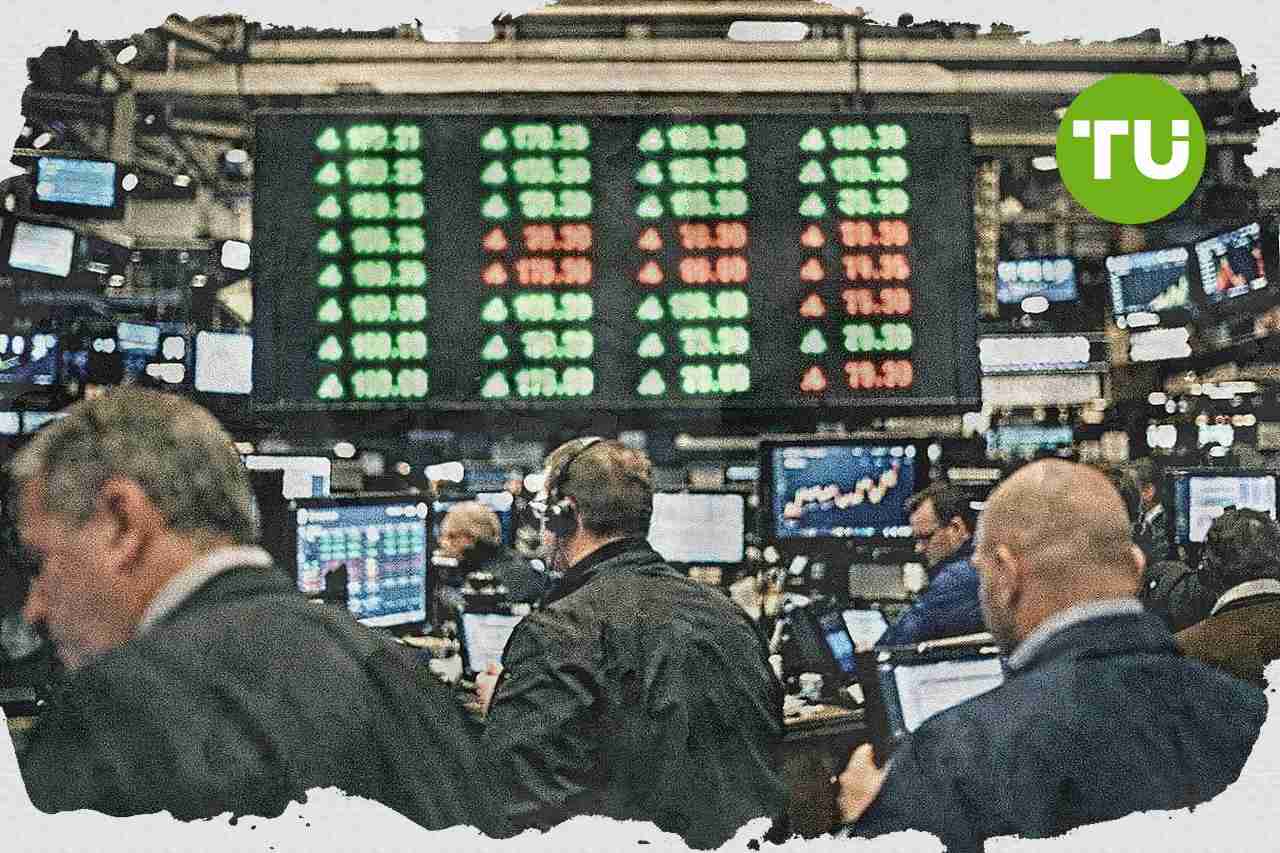
As reported by Reuters, SpaceX joins the Nasdaq 100 just 15 days after its stock market debut, following revised Nasdaq rules for newly listed companies seeking entry into widely tracked benchmarks. The move is expected to trigger billions of dollars in passive buying as index funds and exchange-traded funds tied to the benchmark adjust their holdings.More than $587 billion is benchmarked in funds tracking the Nasdaq 100, including Invesco's QQQ and QQQM, which now need to add SpaceX to mirror the index's composition. Active managers who closely follow the benchmark may also rebalance their positions, creating an additional source of demand for the shares.
J.P. Morgan estimated last month that the index inclusion could bring in about $4.3 billion of passive inflows. The addition makes SpaceX one of the fastest companies ever to enter the tech-heavy index after listing.
Brokerages back growth outlook despite valuation split
Wall Street analysts are now beginning their first full attempt to value SpaceX as a public company as the industry quiet period for IPO underwriters ends. Goldman Sachs, Morgan Stanley, BofA Securities, Citigroup and J.P. Morgan were among the banks involved in the blockbuster listing.Morgan Stanley and Goldman Sachs both initiate coverage on Tuesday with top ratings, with Morgan Stanley calling the company "AI's final frontier." Goldman analysts say SpaceX is well positioned to expand across space, connectivity and AI, and argue each market could become a multi-trillion-dollar opportunity over more than five years.
RBC, Bernstein and Stifel also begin coverage with bullish ratings, pointing to the prospects for Starship, the company's fully reusable next-generation rocket. Investors are also betting SpaceX can develop into a hyperscale AI infrastructure provider and use cash generation to fund Grok as it competes with OpenAI's GPT models and Anthropic's Claude.
Not all analysts share that optimism. Morningstar values SpaceX at about $780 billion, well below its $2.1 trillion market capitalization, citing uncertainty around its AI operations, including xAI and social media platform X. At its current valuation, SpaceX ranks as the sixth-largest U.S. company.
Our earlier update on U.S. markets after the Independence Day holiday highlighted a broad risk-on rebound that lifted the Dow above 53,000 for the first time, alongside gains in the Nasdaq and S&P 500. We also noted how technology and semiconductor stocks were driving the move on upgrades and new supply and partnership announcements, with AI-related activity adding to sector momentum.




Latest Nasdaq Inc News








-
 Afghanistan
-
 Albania
-
 Algeria
-
 Angola
-
 Argentina
-
 Armenia
-
 Australia
-
 Austria
-
 Azerbaijan
-
 Bahamas
-
 Bahrain
-
 Bangladesh
-
 Belarus
-
 Belgium
-
 Bolivia
-
 Botswana
-
 Brazil
-
 Brunei
-
 Bulgaria
-
 Cambodia
-
 Cameroon
-
 Canada
-
 Chile
Chile
-
 China
China
-
 Colombia
-
 Congo
Congo
-
 Costa Rica
-
 Cote d'Ivoire
-
 Croatia
-
 Cuba
Cuba
-
 Cyprus
-
 Czechia
-
 DR Congo
-
 Denmark
-
 Dominican Republic
-
 Ecuador
-
 Egypt
Egypt
-
 El Salvador
-
 Estonia
-
 Eswatini
-
 Ethiopia
-
 Finland
-
 France
-
 Georgia
-
 Germany
-
 Ghana
Ghana
-
 Greece
-
 Haiti
Haiti
-
 Hong Kong
-
 Hungary
-
 India
India
-
 Indonesia
-
 Iran, Islamic republic
-
 Iraq
Iraq
-
 Ireland
-
 Israel
-
 Italy
Italy
-
 Jamaica
-
 Japan
Japan
-
 Jordan
-
 Kazakhstan
-
 Kenya
Kenya
-
 Korea
Korea
-
 Kuwait
-
 Kyrgyzstan
-
 Laos
Laos
-
 Latvia
-
 Lebanon
-
 Lesotho
-
 Libya
Libya
-
 Lithuania
-
 Luxembourg
-
 Madagascar
-
 Malaysia
-
 Malta
Malta
-
 Mauritius
-
 Mexico
-
 Moldova
-
 Mongolia
-
 Montenegro
-
 Morocco
-
 Mozambique
-
 Myanmar
-
 Namibia
-
 Nepal
Nepal
-
 Netherlands
-
 New Zealand
-
 Nigeria
-
 North Macedonia
-
 Norway
-
 Oman
Oman
-
 Pakistan
-
 Palestine
-
 Panama
-
 Papua New Guinea
-
 Paraguay
-
 Peru
Peru
-
 Philippines
-
 Poland
-
 Portugal
-
 Puerto Rico
-
 Qatar
Qatar
-
 Reunion
-
 Romania
-
 Rwanda
-
 Saudi Arabia
-
 Serbia
-
 Singapore
-
 Slovakia
-
 Slovenia
-
 Somalia
-
 South Africa
-
 Spain
Spain
-
 Sri Lanka
-
 Sweden
-
 Switzerland
-
 Syria
Syria
-
 Taiwan
-
 Tajikistan
-
 Tanzania
-
 Thailand
-
 Trinidad and Tobago
-
 Tunisia
-
 Turkey
-
 UAE
UAE
-
 Uganda
-
 Ukraine
-
 United Kingdom
-
United States
-
 Uruguay
-
 Uzbekistan
-
 Venezuela
-
 Vietnam
-
 Yemen
Yemen
-
 Zambia
-
 Zimbabwe
- Forex
- Crypto











