
U.S. revokes Iranian oil sales license after Strait of Hormuz attacks
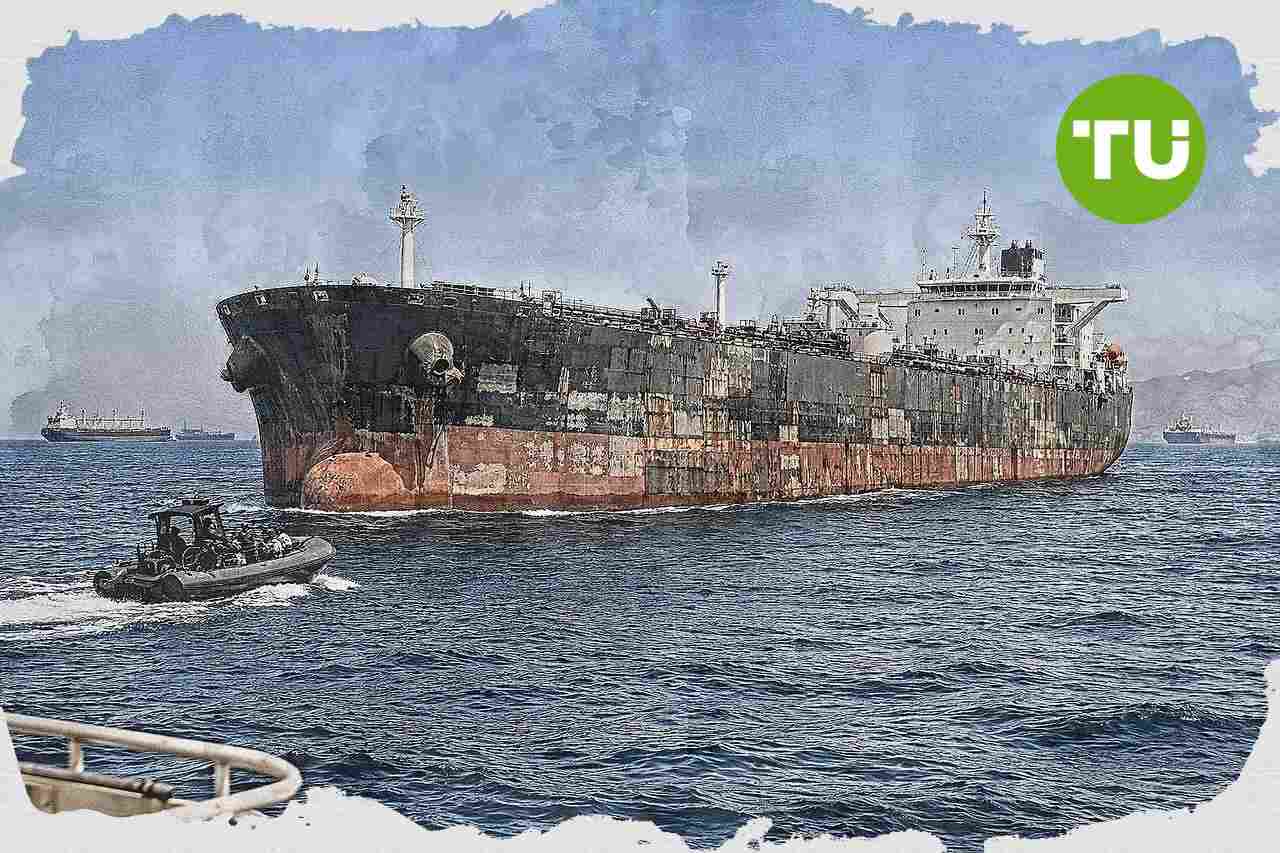
Washington is tightening pressure on Iran after attacks on commercial tankers in and near the Strait of Hormuz rattled energy markets and raised the stakes for ongoing diplomacy. The U.S. says it is revoking a general license that authorized Iranian oil sales, a step that sends oil prices higher and threatens a fragile negotiating track.
Highlights
- The U.S. revoked a general license for Iranian oil sales following attacks on three commercial tankers near the Strait of Hormuz, with officials attributing the incidents to Iran.
- Oil prices rose over 3% after the U.S. action, raising concerns of further price increases and global energy market instability due to potential Strait of Hormuz disruptions.
- Renewed U.S. restrictions on Iranian oil exports threaten Tehran's primary hard-currency revenue stream, potentially undermining government spending and diplomatic progress on nuclear talks.
License withdrawal follows tanker attacks
As reported by Reuters, the U.S. is revoking a general license that authorized the sale of Iranian oil after three tankers reported being struck by unknown projectiles in recent days near the Strait of Hormuz. A U.S. official says Iran's actions in the waterway are wholly unacceptable and will bring consequences, while another U.S. official, speaking anonymously, says initial indications are that Iran fired at three commercial vessels.The British navy-affiliated agency UKMTO says the incidents involve three tankers in and near the strategic passage. Tehran does not immediately comment, and no group claims responsibility.
Negotiators continue to work in good faith toward a final agreement with Iran despite the latest escalation, according to the U.S. official. But the new U.S. action threatens to unsettle a diplomatic understanding that had been centered on limits to Iran's nuclear program and relief from some sanctions, including restrictions on oil exports.
Energy market and economic risks rise
The Strait of Hormuz remains one of the world's most important energy chokepoints, carrying about a fifth of global oil consumption as well as large volumes of liquefied natural gas shipments each day. Any prolonged disruption in the narrow waterway between Iran and Oman could lift energy prices further and add pressure on consumers and governments already dealing with high fuel costs.Oil prices rise more than 3% after the U.S. announcement. For Iran, crude exports remain a major source of hard-currency revenue and support government spending in an economy weakened by years of U.S. sanctions.
Despite existing restrictions, Tehran has expanded shipments in recent years, largely to China, making oil sales one of its main economic lifelines. A renewed U.S. effort to curb those exports could add financial pressure on Iran and limit its ability to sustain domestic programs and regional activities.
In our earlier analysis of Exxon Mobil (XOM), we reviewed a technically bullish setup, with the stock trading above key moving averages while several oscillators signaled overbought conditions. We also highlighted a near-term trading range and the importance of key support and resistance levels, suggesting momentum could favor an upside test if buyers stayed in control.





Latest Brent News







-
 Afghanistan
-
 Albania
-
 Algeria
-
 Angola
-
 Argentina
-
 Armenia
-
 Australia
-
 Austria
-
 Azerbaijan
-
 Bahamas
-
 Bahrain
-
 Bangladesh
-
 Belarus
-
 Belgium
-
 Bolivia
-
 Botswana
-
 Brazil
-
 Brunei
-
 Bulgaria
-
 Cambodia
-
 Cameroon
-
 Canada
-
 Chile
Chile
-
 China
China
-
 Colombia
-
 Congo
Congo
-
 Costa Rica
-
 Cote d'Ivoire
-
 Croatia
-
 Cuba
Cuba
-
 Cyprus
-
 Czechia
-
 DR Congo
-
 Denmark
-
 Dominican Republic
-
 Ecuador
-
 Egypt
Egypt
-
 El Salvador
-
 Estonia
-
 Eswatini
-
 Ethiopia
-
 Finland
-
 France
-
 Georgia
-
 Germany
-
 Ghana
Ghana
-
 Greece
-
 Haiti
Haiti
-
 Hong Kong
-
 Hungary
-
 India
India
-
 Indonesia
-
 Iran, Islamic republic
-
 Iraq
Iraq
-
 Ireland
-
 Israel
-
 Italy
Italy
-
 Jamaica
-
 Japan
Japan
-
 Jordan
-
 Kazakhstan
-
 Kenya
Kenya
-
 Korea
Korea
-
 Kuwait
-
 Kyrgyzstan
-
 Laos
Laos
-
 Latvia
-
 Lebanon
-
 Lesotho
-
 Libya
Libya
-
 Lithuania
-
 Luxembourg
-
 Madagascar
-
 Malaysia
-
 Malta
Malta
-
 Mauritius
-
 Mexico
-
 Moldova
-
 Mongolia
-
 Montenegro
-
 Morocco
-
 Mozambique
-
 Myanmar
-
 Namibia
-
 Nepal
Nepal
-
 Netherlands
-
 New Zealand
-
 Nigeria
-
 North Macedonia
-
 Norway
-
 Oman
Oman
-
 Pakistan
-
 Palestine
-
 Panama
-
 Papua New Guinea
-
 Paraguay
-
 Peru
Peru
-
 Philippines
-
 Poland
-
 Portugal
-
 Puerto Rico
-
 Qatar
Qatar
-
 Reunion
-
 Romania
-
 Rwanda
-
 Saudi Arabia
-
 Serbia
-
 Singapore
-
 Slovakia
-
 Slovenia
-
 Somalia
-
 South Africa
-
 Spain
Spain
-
 Sri Lanka
-
 Sweden
-
 Switzerland
-
 Syria
Syria
-
 Taiwan
-
 Tajikistan
-
 Tanzania
-
 Thailand
-
 Trinidad and Tobago
-
 Tunisia
-
 Turkey
-
 UAE
UAE
-
 Uganda
-
 Ukraine
-
 United Kingdom
-
United States
-
 Uruguay
-
 Uzbekistan
-
 Venezuela
-
 Vietnam
-
 Yemen
Yemen
-
 Zambia
-
 Zimbabwe
- Forex
- Crypto











