
Brazil instant coffee tariffs threaten U.S. consumer prices and importer margins
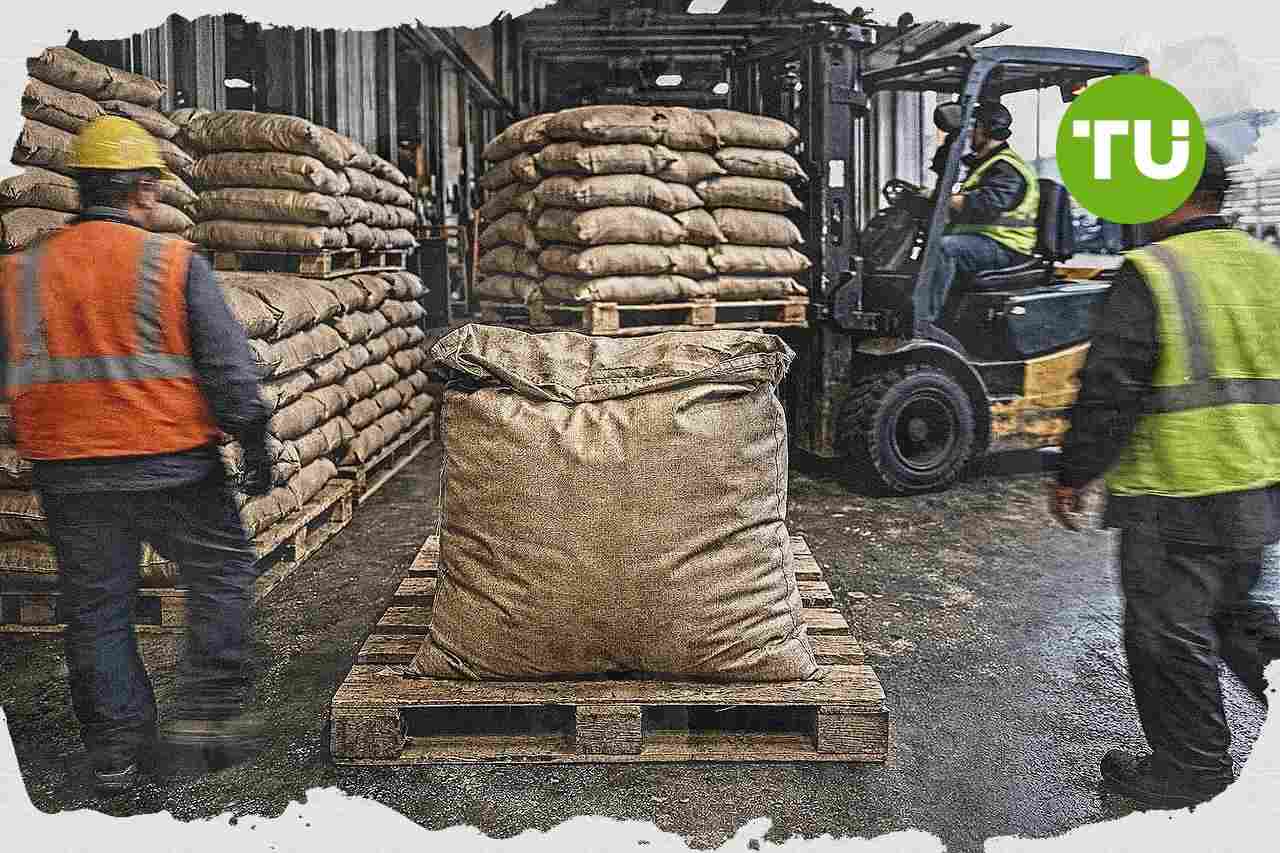
A proposed new U.S. tariff on Brazilian instant coffee is raising concerns over supply costs in a market that relies heavily on imports. Industry groups say the measure could lift prices for businesses and consumers while leaving limited alternatives to replace Brazilian volumes.
Highlights
- Proposed 25% U.S. tariff on Brazilian instant coffee would disrupt supply and raise market costs, threatening consumer prices and importer margins.
- Brazil supplies over 90% of its instant coffee to the U.S., accounting for about 15,500 metric tons annually and over one-fifth of U.S. imports.
- U.S. produces less than 6% of its own instant coffee, with growing demand—11% of daily coffee drinkers now consume instant, up from 6% in 2021.
Tariff proposal and supply dependence
As reported by Reuters, Brazil's instant coffee industry says a proposed 25% U.S. tariff would disrupt supplies of a product that the U.S. largely imports and increase costs across the market.According to the Brazilian Soluble Coffee Industry Association, more than 90% of Brazil's instant coffee is shipped to the U.S., representing more than one-fifth of U.S. instant coffee imports, or about 15,500 metric tons a year. Aguinaldo José de Lima, the association's executive director, says the first impact would fall on companies and jobs, with higher costs ultimately passed on to U.S. consumers.
The Office of the U.S. Trade Representative has proposed the new 25% tariff on Brazilian products under a Section 301 investigation, while the Trump administration has separately announced an additional 12.5% tariff on goods from more than 60 countries, including Brazilian instant coffee. Brazilian instant coffee is currently subject to a temporary 10% global import duty imposed by the White House after U.S. courts struck down an earlier 50% tariff on most Brazilian goods.
Industry arguments and market impact
Representatives from Abics, Brazilian exporters' group Cecafe and the U.S.-based National Coffee Association took part in U.S. Trade Representative public hearings in Washington on Monday and Tuesday. They argued that the proposed tariff would raise consumer prices, compress business margins and hit lower-income households that depend on affordable coffee more heavily.The U.S. produces less than 6% of its own instant coffee products, Lima says, adding that there are no current suppliers able to replace Brazilian volumes at similar prices. He also says the industry sees no technical basis for excluding instant coffee from the tariff exemptions granted to other coffee products, noting that even flavored instant coffee is exempt.
Demand for instant coffee in the U.S. is also growing. The National Coffee Association says 11% of daily coffee drinkers now consume instant coffee, up from 6% in 2021.
Toyota’s $3.6 billion Texas manufacturing expansion highlights how shifting U.S. trade policy is influencing corporate supply-chain and production strategies in North America. We previously reported that the automaker plans to add a second assembly line in San Antonio and gradually move part of Tacoma output from Mexico to the U.S., while still keeping some production in Mexico amid ongoing USMCA uncertainty and proposed domestic-content requirements.





Latest Coffee News







-
 Afghanistan
-
 Albania
-
 Algeria
-
 Angola
-
 Argentina
-
 Armenia
-
 Australia
-
 Austria
-
 Azerbaijan
-
 Bahamas
-
 Bahrain
-
 Bangladesh
-
 Belarus
-
 Belgium
-
 Bolivia
-
 Botswana
-
 Brazil
-
 Brunei
-
 Bulgaria
-
 Cambodia
-
 Cameroon
-
 Canada
-
 Chile
Chile
-
 China
China
-
 Colombia
-
 Congo
Congo
-
 Costa Rica
-
 Cote d'Ivoire
-
 Croatia
-
 Cuba
Cuba
-
 Cyprus
-
 Czechia
-
 DR Congo
-
 Denmark
-
 Dominican Republic
-
 Ecuador
-
 Egypt
Egypt
-
 El Salvador
-
 Estonia
-
 Eswatini
-
 Ethiopia
-
 Finland
-
 France
-
 Georgia
-
 Germany
-
 Ghana
Ghana
-
 Greece
-
 Haiti
Haiti
-
 Hong Kong
-
 Hungary
-
 India
India
-
 Indonesia
-
 Iran, Islamic republic
-
 Iraq
Iraq
-
 Ireland
-
 Israel
-
 Italy
Italy
-
 Jamaica
-
 Japan
Japan
-
 Jordan
-
 Kazakhstan
-
 Kenya
Kenya
-
 Korea
Korea
-
 Kuwait
-
 Kyrgyzstan
-
 Laos
Laos
-
 Latvia
-
 Lebanon
-
 Lesotho
-
 Libya
Libya
-
 Lithuania
-
 Luxembourg
-
 Madagascar
-
 Malaysia
-
 Malta
Malta
-
 Mauritius
-
 Mexico
-
 Moldova
-
 Mongolia
-
 Montenegro
-
 Morocco
-
 Mozambique
-
 Myanmar
-
 Namibia
-
 Nepal
Nepal
-
 Netherlands
-
 New Zealand
-
 Nigeria
-
 North Macedonia
-
 Norway
-
 Oman
Oman
-
 Pakistan
-
 Palestine
-
 Panama
-
 Papua New Guinea
-
 Paraguay
-
 Peru
Peru
-
 Philippines
-
 Poland
-
 Portugal
-
 Puerto Rico
-
 Qatar
Qatar
-
 Reunion
-
 Romania
-
 Rwanda
-
 Saudi Arabia
-
 Serbia
-
 Singapore
-
 Slovakia
-
 Slovenia
-
 Somalia
-
 South Africa
-
 Spain
Spain
-
 Sri Lanka
-
 Sweden
-
 Switzerland
-
 Syria
Syria
-
 Taiwan
-
 Tajikistan
-
 Tanzania
-
 Thailand
-
 Trinidad and Tobago
-
 Tunisia
-
 Turkey
-
 UAE
UAE
-
 Uganda
-
 Ukraine
-
 United Kingdom
-
United States
-
 Uruguay
-
 Uzbekistan
-
 Venezuela
-
 Vietnam
-
 Yemen
Yemen
-
 Zambia
-
 Zimbabwe
- Forex
- Crypto











