
U.S. rare earth producers channel output to Asia as domestic supply chain demand lags
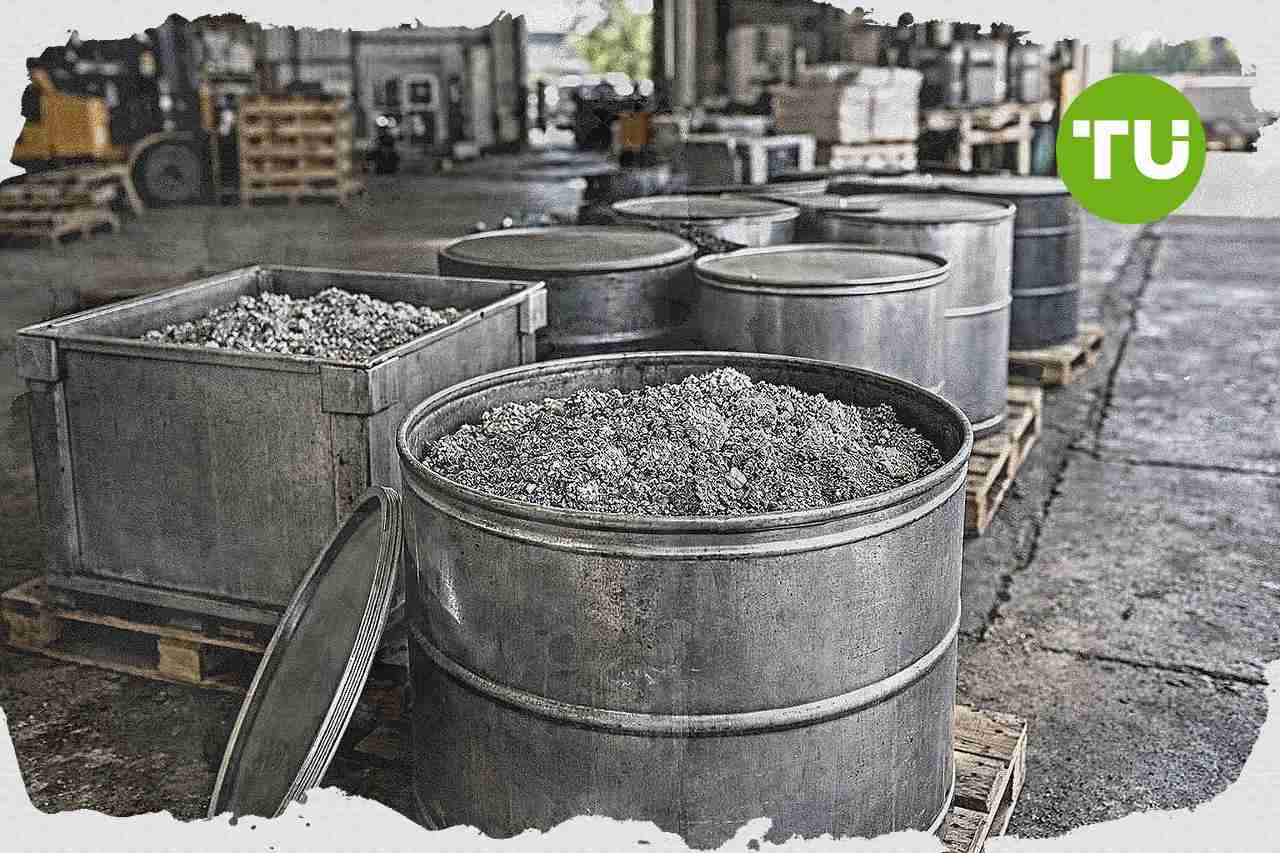
Washington-backed rare earth producers in the U.S. are selling significant volumes to Japan and South Korea while domestic buyers are still building capacity. The trade flow highlights a gap between federal efforts to create a national supply chain and the slower emergence of large-scale U.S. magnet manufacturing.
Highlights
- MP Materials, Energy Fuels, and Phoenix Tailings are directing rare earth output to Japan and Korea as U.S. magnet manufacturing lags in scale and speed.
- Energy Fuels secured $725 million in conditional U.S. funding and agreed to acquire Australian Strategic Materials and German magnet maker VAC in $1.9 billion deals to expand production and integration.
- MP Materials' latest earnings are supported by a government agreement guaranteeing minimum sale prices, while domestic rare earth output remains under 1,000 tonnes annually and Asia absorbs most supply.
Asian buyers absorb early U.S. output
As reported by Financial Times, rare earth materials produced by MP Materials, Energy Fuels and Phoenix Tailings are being sold into Asian markets because magnet manufacturing in Japan and South Korea remains far more developed than in the U.S.Nick Myers, chief executive of Phoenix Tailings, said Japanese customers are "clamouring" for the company’s rare earth metals after China sharply cut exports this year. He said Phoenix’s customers are primarily in Korea and Japan, adding that unless U.S. defense contractors move quickly, overseas buyers are willing to pay higher prices faster.
Phoenix, which is backed by IQT and secured conditional U.S. government funding of $500 million in June, is scaling up metal and oxide production but is not yet a significant producer and does not disclose sales figures. Analysts say multiple U.S. groups are planning domestic mining and magnet projects, but the sector still needs time to reach industrial scale.
Thomas Kruemmer, author of the Rare Earth Observer blog, said only Japan and China currently produce neodymium iron boron magnets at scale. Those magnets are used across industries including automotive, semiconductors and defense systems.
Supply chain buildup faces timing gap
MP Materials remains the leading U.S. rare earths producer, and its latest quarterly earnings show sales of neodymium-praseodymium oxide and metal are primarily generated under its agreement with Sumitomo Corporation of Americas, which distributes the material to Japanese customers. Some material also goes to an unnamed U.S. technology and industrial company under a deal signed in the first quarter of 2026.A year earlier, the largest share of MP’s revenue came from mined material sold to China’s Shenghe Resources, but the company has stopped those sales under its U.S. government agreement. MP plans to consume more of its own output once it scales magnet production, and it has supply agreements in place with General Motors and Apple. The company said in May it expects to begin shipping finished magnets to GM this year.
Energy Fuels, which won $725 million in conditional government funding in June, also plans near-term shipments of oxides to Korea, according to chief executive Ross Bhappu. He said a major South Korean manufacturer turned a small amount of the company’s neodymium-praseodymium into magnets last year.
Energy Fuels is acquiring Australian Strategic Materials, which owns a rare earth metal plant in South Korea, and in June announced a $1.9 billion deal to buy German magnet maker Vacuumschmelze, or VAC. Bhappu said that transaction would send more Energy Fuels products into VAC’s U.S. operations.
China remains the largest producer of neodymium iron boron magnets, while Japan produces 10,000 to 15,000 tonnes a year and South Korea produces 2,000 to 3,000 tonnes annually, according to JOC LLC consultant John Ormerod. U.S. production is 1,000 tonnes or less, underscoring why American rare earth output is currently moving to Asia even as Washington increases financial support for domestic processing and manufacturing.
MP’s recent earnings are also benefiting from its U.S. government deal, which guarantees a minimum sale price for some products and compensates the company when market prices paid by third parties fall below that level.
Our earlier article on the next-session catalysts for U.S. stocks outlined why equities were under pressure amid weakness in chip shares and higher oil prices, with investors tracking key corporate and data updates. It also noted that South Korea-linked chip exposure was a focal point, including positioning around SK Hynix as traders assessed potential sector moves.





Latest Supply Chain News








-
 Afghanistan
-
 Albania
-
 Algeria
-
 Angola
-
 Argentina
-
 Armenia
-
 Australia
-
 Austria
-
 Azerbaijan
-
 Bahamas
-
 Bahrain
-
 Bangladesh
-
 Belarus
-
 Belgium
-
 Bolivia
-
 Botswana
-
 Brazil
-
 Brunei
-
 Bulgaria
-
 Cambodia
-
 Cameroon
-
 Canada
-
 Chile
Chile
-
 China
China
-
 Colombia
-
 Congo
Congo
-
 Costa Rica
-
 Cote d'Ivoire
-
 Croatia
-
 Cuba
Cuba
-
 Cyprus
-
 Czechia
-
 DR Congo
-
 Denmark
-
 Dominican Republic
-
 Ecuador
-
 Egypt
Egypt
-
 El Salvador
-
 Estonia
-
 Eswatini
-
 Ethiopia
-
 Finland
-
 France
-
 Georgia
-
 Germany
-
 Ghana
Ghana
-
 Greece
-
 Haiti
Haiti
-
 Hong Kong
-
 Hungary
-
 India
India
-
 Indonesia
-
 Iran, Islamic republic
-
 Iraq
Iraq
-
 Ireland
-
 Israel
-
 Italy
Italy
-
 Jamaica
-
 Japan
Japan
-
 Jordan
-
 Kazakhstan
-
 Kenya
Kenya
-
 Korea
Korea
-
 Kuwait
-
 Kyrgyzstan
-
 Laos
Laos
-
 Latvia
-
 Lebanon
-
 Lesotho
-
 Libya
Libya
-
 Lithuania
-
 Luxembourg
-
 Madagascar
-
 Malaysia
-
 Malta
Malta
-
 Mauritius
-
 Mexico
-
 Moldova
-
 Mongolia
-
 Montenegro
-
 Morocco
-
 Mozambique
-
 Myanmar
-
 Namibia
-
 Nepal
Nepal
-
 Netherlands
-
 New Zealand
-
 Nigeria
-
 North Macedonia
-
 Norway
-
 Oman
Oman
-
 Pakistan
-
 Palestine
-
 Panama
-
 Papua New Guinea
-
 Paraguay
-
 Peru
Peru
-
 Philippines
-
 Poland
-
 Portugal
-
 Puerto Rico
-
 Qatar
Qatar
-
 Reunion
-
 Romania
-
 Rwanda
-
 Saudi Arabia
-
 Serbia
-
 Singapore
-
 Slovakia
-
 Slovenia
-
 Somalia
-
 South Africa
-
 Spain
Spain
-
 Sri Lanka
-
 Sweden
-
 Switzerland
-
 Syria
Syria
-
 Taiwan
-
 Tajikistan
-
 Tanzania
-
 Thailand
-
 Trinidad and Tobago
-
 Tunisia
-
 Turkey
-
 UAE
UAE
-
 Uganda
-
 Ukraine
-
 United Kingdom
-
United States
-
 Uruguay
-
 Uzbekistan
-
 Venezuela
-
 Vietnam
-
 Yemen
Yemen
-
 Zambia
-
 Zimbabwe
- Forex
- Crypto











