
First Solar seen as tariff-driven opportunity in U.S. clean energy sector
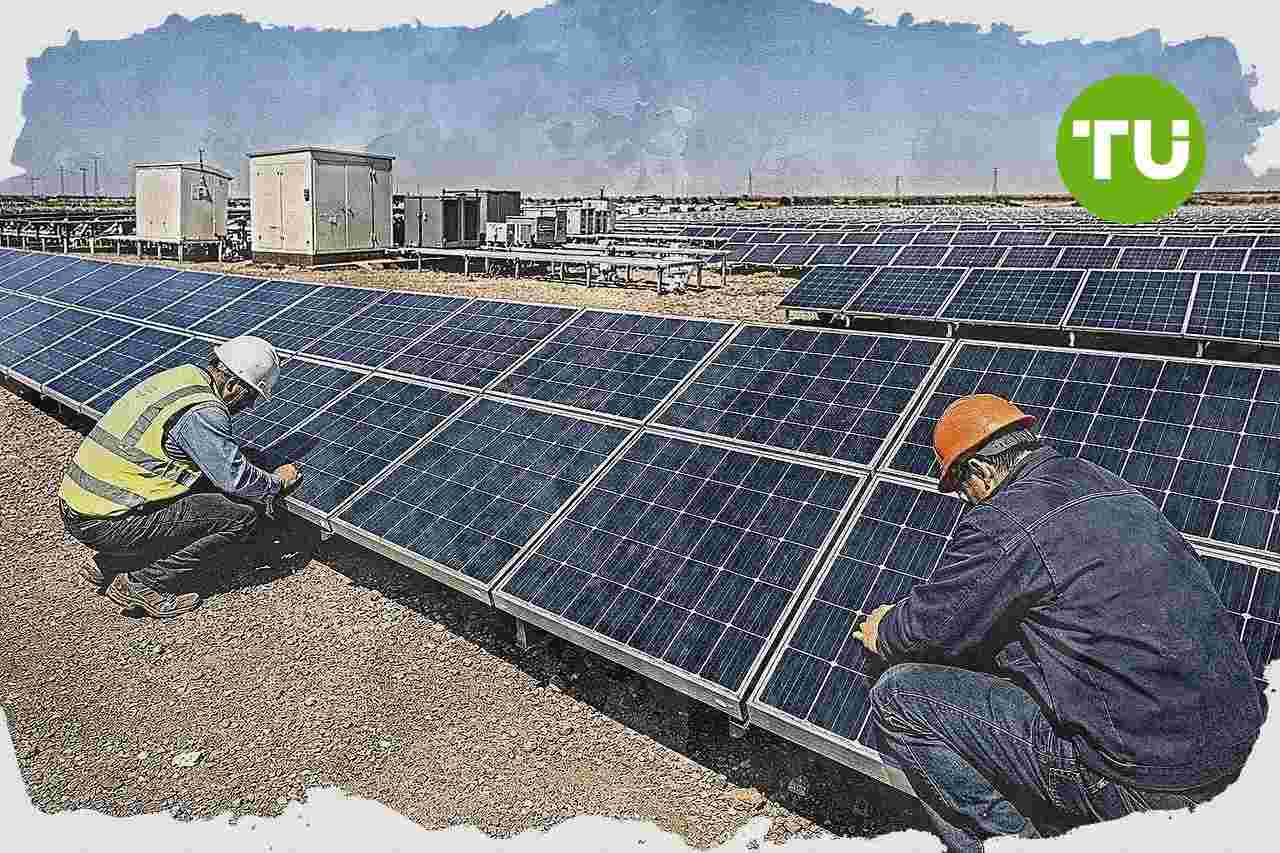
Energy policy is again shaping investor sentiment across the U.S. power market as upcoming trade decisions and shifting views on electricity costs influence sector valuations. Solar shares, particularly First Solar, are drawing attention ahead of an expected Commerce Department decision on Section 232 tariffs that could either support or pressure the industry.
Highlights
- Deutsche Bank highlights First Solar as an attractively valued stock, with its outlook hinging on the Commerce Department's Section 232 tariff decision.
- Clean power now makes up roughly 90% of new U.S. electrical capacity additions, amplifying solar and renewables' influence on the national energy mix.
- Oil futures hover near $70 a barrel, nuclear stocks retain investor interest, and U.S. energy policy decisions remain key in shaping sector and economic performance.
Tariff decision puts solar valuations in focus
As reported by CNBC, Deutsche Bank says forgotten solar names could offer a buying opportunity, especially First Solar, but the investment case depends heavily on an upcoming policy decision from the Commerce Department.The bank’s view centers on the expected outcome of Section 232 tariffs, which could materially affect solar companies and alter near-term market expectations. Deutsche Bank says First Solar is trading in an attractive valuation range, while warning that pending policy changes may either strengthen or weaken investor positions.
Broader energy mix shapes market outlook
American Clean Power Association CEO Jason Grumet says clean power accounts for roughly 90% of all new electrical capacity being added to the grid, underscoring the sector’s growing role in U.S. power supply.The broader market backdrop remains mixed across energy sources. The article also points to investor interest in nuclear-related stocks, while oil futures near $70 a barrel suggest traders do not expect the latest Iran tensions to trigger a major price spike.
It argues that relatively moderate U.S. energy costs have supported stronger economic performance than Europe over the past two decades. In that context, policy choices affecting solar, nuclear and fossil fuels continue to shape corporate prospects, household costs and the wider investment outlook.
Our earlier coverage of the renewed U.S. strikes on Iran and the Strait of Hormuz explained how the escalation revived fears of disruption to a key global energy shipping route. We noted that the flare-up increased market volatility and refocused investors on how geopolitical risk can quickly influence crude prices and risk appetite across assets.


Latest Bayer News






-
 Afghanistan
-
 Albania
-
 Algeria
-
 Angola
-
 Argentina
-
 Armenia
-
 Australia
-
 Austria
-
 Azerbaijan
-
 Bahamas
-
 Bahrain
-
 Bangladesh
-
 Belarus
-
 Belgium
-
 Bolivia
-
 Botswana
-
 Brazil
-
 Brunei
-
 Bulgaria
-
 Cambodia
-
 Cameroon
-
 Canada
-
 Chile
Chile
-
 China
China
-
 Colombia
-
 Congo
Congo
-
 Costa Rica
-
 Cote d'Ivoire
-
 Croatia
-
 Cuba
Cuba
-
 Cyprus
-
 Czechia
-
 DR Congo
-
 Denmark
-
 Dominican Republic
-
 Ecuador
-
 Egypt
Egypt
-
 El Salvador
-
 Estonia
-
 Eswatini
-
 Ethiopia
-
 Finland
-
 France
-
 Georgia
-
 Germany
-
 Ghana
Ghana
-
 Greece
-
 Haiti
Haiti
-
 Hong Kong
-
 Hungary
-
 India
India
-
 Indonesia
-
 Iran, Islamic republic
-
 Iraq
Iraq
-
 Ireland
-
 Israel
-
 Italy
Italy
-
 Jamaica
-
 Japan
Japan
-
 Jordan
-
 Kazakhstan
-
 Kenya
Kenya
-
 Korea
Korea
-
 Kuwait
-
 Kyrgyzstan
-
 Laos
Laos
-
 Latvia
-
 Lebanon
-
 Lesotho
-
 Libya
Libya
-
 Lithuania
-
 Luxembourg
-
 Madagascar
-
 Malaysia
-
 Malta
Malta
-
 Mauritius
-
 Mexico
-
 Moldova
-
 Mongolia
-
 Montenegro
-
 Morocco
-
 Mozambique
-
 Myanmar
-
 Namibia
-
 Nepal
Nepal
-
 Netherlands
-
 New Zealand
-
 Nigeria
-
 North Macedonia
-
 Norway
-
 Oman
Oman
-
 Pakistan
-
 Palestine
-
 Panama
-
 Papua New Guinea
-
 Paraguay
-
 Peru
Peru
-
 Philippines
-
 Poland
-
 Portugal
-
 Puerto Rico
-
 Qatar
Qatar
-
 Reunion
-
 Romania
-
 Rwanda
-
 Saudi Arabia
-
 Serbia
-
 Singapore
-
 Slovakia
-
 Slovenia
-
 Somalia
-
 South Africa
-
 Spain
Spain
-
 Sri Lanka
-
 Sweden
-
 Switzerland
-
 Syria
Syria
-
 Taiwan
-
 Tajikistan
-
 Tanzania
-
 Thailand
-
 Trinidad and Tobago
-
 Tunisia
-
 Turkey
-
 UAE
UAE
-
 Uganda
-
 Ukraine
-
 United Kingdom
-
United States
-
 Uruguay
-
 Uzbekistan
-
 Venezuela
-
 Vietnam
-
 Yemen
Yemen
-
 Zambia
-
 Zimbabwe
- Forex
- Crypto











