
As England and Norway face off on the football pitch, the comparison is also drawing attention to sharply different economic models. The contrast centers on whether Britain can credibly pursue a more state-led and egalitarian agenda while focusing on limited local measures such as bus renationalization in Manchester.
Highlights
- Norway's state-influenced, redistributive economic model is cited in Bloomberg as outperforming Britain's neoliberal approach in combining prosperity with equality.
- Andy Burnham's agenda to end forty years of neoliberalism in the UK is contrasted with limited municipal interventions like Manchester bus renationalization, highlighting the scale of change required.
- The policy debate underscores a significant gap between the UK's rhetorical ambitions and Norway's benchmark, with competitiveness and public investment as key considerations for markets.
Economic models come into focus
As reported by Bloomberg, the sporting rivalry between England and Norway is being used as a backdrop for a broader debate over public policy and economic performance.The article contrasts the Norwegian and British models, arguing that the economic contest is far less balanced than the football match may be. Norway is presented as a stronger benchmark in the discussion over how a wealthy country can combine prosperity with a more redistributive and state-influenced system.
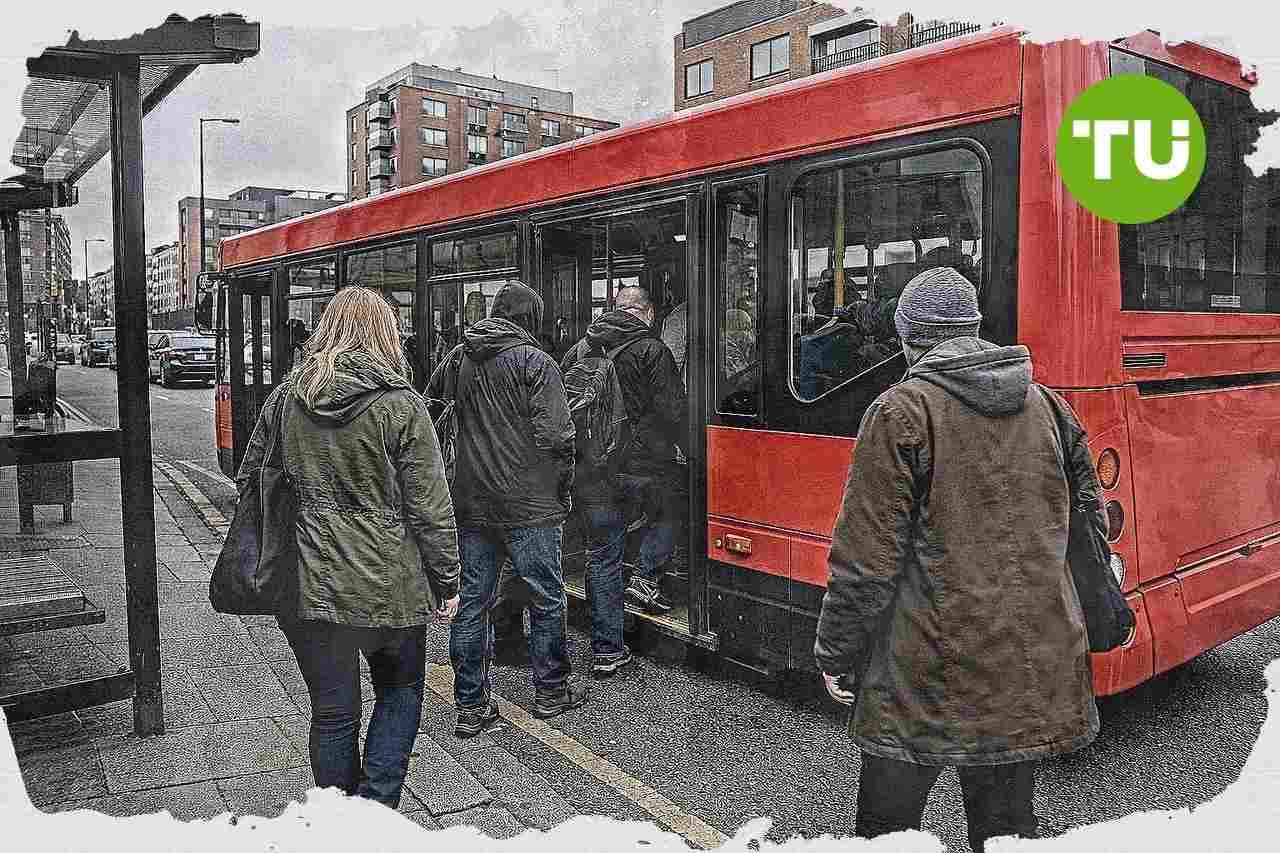
Britain’s incoming prime minister, Andy Burnham, is described as promoting an agenda that would end forty years of neoliberalism and replace it with a more egalitarian and progressive framework. But that argument loses force, the article says, when it narrows toward municipal achievements such as renationalizing buses in Manchester.
Implications for UK policy debate
The comparison highlights the gap between rhetorical ambition and the scale of economic change needed in the UK. A local transport intervention may carry political symbolism, but it does not by itself amount to a comprehensive national growth or redistribution strategy.For businesses and policymakers, the discussion points to a wider question about competitiveness, public investment and the role of the state in shaping economic outcomes. Norway’s model remains a reference point in that debate, while Britain’s policy direction is still being tested against its promises.
Our earlier coverage of the UK’s first filings under the global pillar 2 minimum tax regime explained how lawmakers are urging HMRC to step up enforcement against multinational profit shifting that threatens the UK tax base. It also noted that the U.S. exclusion from pillar 2 could cut expected UK top-up tax receipts and intensify pressure on Britain’s broader fiscal strategy as tax policy becomes a sharper dividing line in the national economic debate.









-
 Afghanistan
-
 Albania
-
 Algeria
-
 Angola
-
 Argentina
-
 Armenia
-
 Australia
-
 Austria
-
 Azerbaijan
-
 Bahamas
-
 Bahrain
-
 Bangladesh
-
 Belarus
-
 Belgium
-
 Bolivia
-
 Botswana
-
 Brazil
-
 Brunei
-
 Bulgaria
-
 Cambodia
-
 Cameroon
-
 Canada
-
 Chile
Chile
-
 China
China
-
 Colombia
-
 Congo
Congo
-
 Costa Rica
-
 Cote d'Ivoire
-
 Croatia
-
 Cuba
Cuba
-
 Cyprus
-
 Czechia
-
 DR Congo
-
 Denmark
-
 Dominican Republic
-
 Ecuador
-
 Egypt
Egypt
-
 El Salvador
-
 Estonia
-
 Eswatini
-
 Ethiopia
-
 Finland
-
 France
-
 Georgia
-
 Germany
-
 Ghana
Ghana
-
 Greece
-
 Haiti
Haiti
-
 Hong Kong
-
 Hungary
-
 India
India
-
 Indonesia
-
 Iran, Islamic republic
-
 Iraq
Iraq
-
 Ireland
-
 Israel
-
 Italy
Italy
-
 Jamaica
-
 Japan
Japan
-
 Jordan
-
 Kazakhstan
-
 Kenya
Kenya
-
 Korea
Korea
-
 Kuwait
-
 Kyrgyzstan
-
 Laos
Laos
-
 Latvia
-
 Lebanon
-
 Lesotho
-
 Libya
Libya
-
 Lithuania
-
 Luxembourg
-
 Madagascar
-
 Malaysia
-
 Malta
Malta
-
 Mauritius
-
 Mexico
-
 Moldova
-
 Mongolia
-
 Montenegro
-
 Morocco
-
 Mozambique
-
 Myanmar
-
 Namibia
-
 Nepal
Nepal
-
 Netherlands
-
 New Zealand
-
 Nigeria
-
 North Macedonia
-
 Norway
-
 Oman
Oman
-
 Pakistan
-
 Palestine
-
 Panama
-
 Papua New Guinea
-
 Paraguay
-
 Peru
Peru
-
 Philippines
-
 Poland
-
 Portugal
-
 Puerto Rico
-
 Qatar
Qatar
-
 Reunion
-
 Romania
-
 Rwanda
-
 Saudi Arabia
-
 Serbia
-
 Singapore
-
 Slovakia
-
 Slovenia
-
 Somalia
-
 South Africa
-
 Spain
Spain
-
 Sri Lanka
-
 Sweden
-
 Switzerland
-
 Syria
Syria
-
 Taiwan
-
 Tajikistan
-
 Tanzania
-
 Thailand
-
 Trinidad and Tobago
-
 Tunisia
-
 Turkey
-
 UAE
UAE
-
 Uganda
-
 Ukraine
-
 United Kingdom
-
United States
-
 Uruguay
-
 Uzbekistan
-
 Venezuela
-
 Vietnam
-
 Yemen
Yemen
-
 Zambia
-
 Zimbabwe
- Forex
- Crypto











