
U.S. House advances 10 homeland security bills targeting TSA upgrades and terror threat response
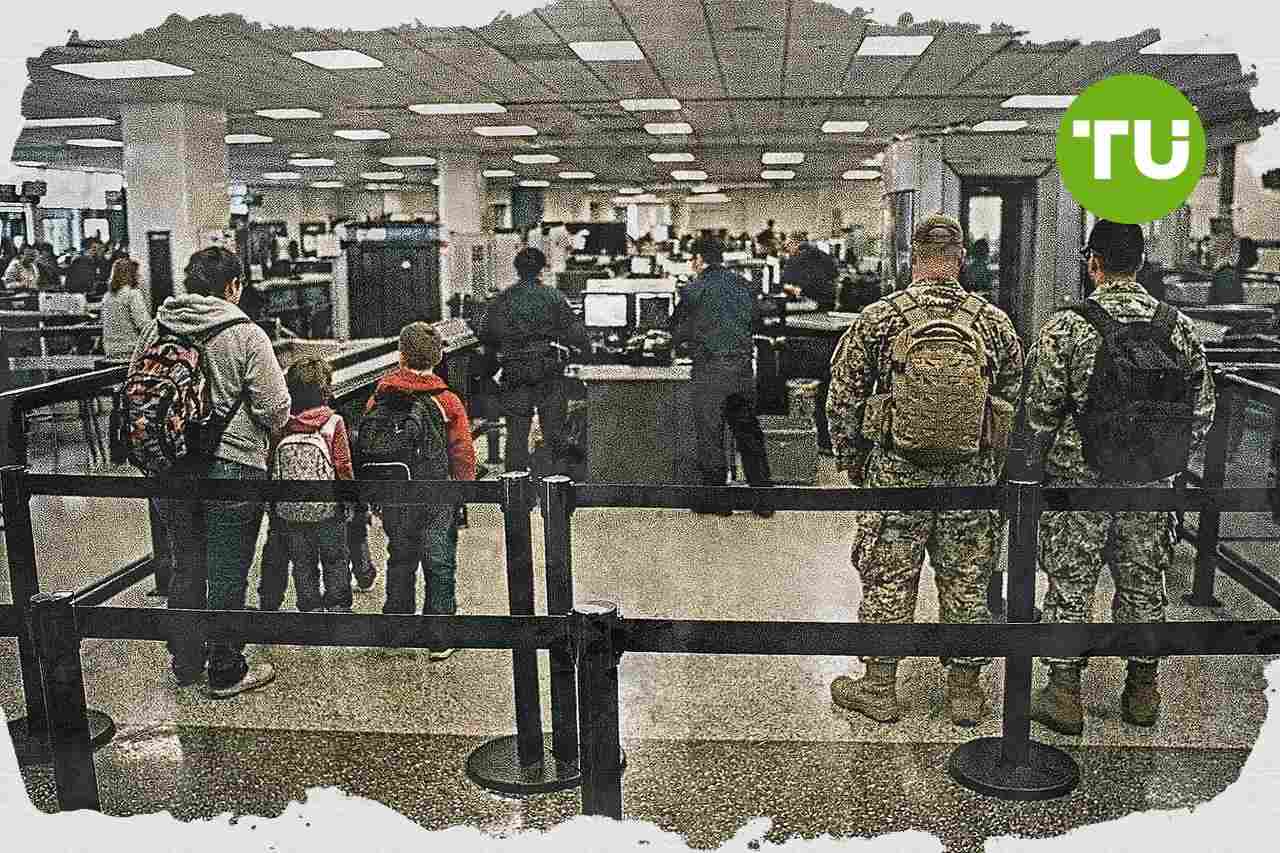
A bipartisan package moving through the U.S. House centers on aviation security, intelligence reform and broader Department of Homeland Security operations. The measures include proposals to expand airport screening capacity, ease travel for military families and strengthen oversight tied to emerging terrorism risks.
Highlights
- U.S. House passes 10 bipartisan homeland security bills advancing TSA modernization, intelligence realignment, and expanded response to terror threats and operational reporting.
- Key measures include the Reimbursable Screening Services Program Extension Act of 2026 and SAFEGUARDS Act, investing diverted 9/11 Passenger Security Fee revenues back into aviation security technology.
- The legislative package introduces pilot programs for streamlined military and family travel, extends international baggage screening exemptions, and seeks to enhance oversight of partner-country terrorism risk designations.
Aviation security measures and committee priorities
As reported by Homeland Security House Committee, citing the House Committee on Homeland Security, the House passes 10 bipartisan bills advanced by the panel to modernize the Transportation Security Administration, refocus the Office of Intelligence and Analysis, support border security operations and improve the department's response to emerging terror threats.Among the measures, Chairman Andrew Garbarino introduces the Reimbursable Screening Services Program Extension Act of 2026, which would expand TSA's reimbursable screening program and extend a pilot designed to raise airport screening capacity, ease checkpoint congestion and improve passenger flow without reducing safety standards. Carlos Gimenez also advances the One-Stop Pilot Program Extension Act, which would continue a program allowing certain international passengers and their checked baggage to avoid rescreening for domestic connections when foreign airports meet TSA security requirements and maintain screening agreements with the agency.
Another aviation-focused bill, the SAFEGUARDS Act introduced by Dale Strong, prepares for the end of diversion of the 9/11 Passenger Security Fee and would direct those revenues back into aviation security technology. Lawmakers also pass the Improving Travel for Military Members Act and the Improving Travel for American Families Act, two pilot-program bills that would create priority or dedicated screening lanes for active-duty personnel, accompanying family members and families traveling with children under 12.
Oversight, intelligence and operational impact
The package also reaches beyond airport operations. Gabe Evans' ELO Realignment and Strategic Engagement Reform Act aims to reduce duplication within DHS intelligence and analysis functions while streamlining engagement with law enforcement partners, and Matt Van Epps' Major Non-NATO Ally Terror Threat Assessment Act is designed to strengthen congressional oversight of partner-country designations linked to terrorism risks.Additional bills passed by the House include the Weatherizing Infrastructure in the North and Terrorism Emergency Readiness Act, the Measuring Illicit Fentanyl Trafficking Act and the Homeland Security Capabilities Preservation Reporting Act of 2026. Taken together, the measures show the committee's effort to combine passenger-processing improvements with investment in security technology, intelligence coordination and operational reporting across homeland security functions.
In our earlier article on the Water Resources Development Act of 2026 (WRDA 2026), we covered how the bipartisan bill (H.R. 9497) was heading to a House Transportation and Infrastructure Committee markup with broad backing from port, manufacturing, agriculture and local government groups. We highlighted supporters’ focus on predictable federal authorizations to advance ports and inland waterways, flood and storm risk management, drought resilience and other water-system projects tied to supply-chain performance and public works planning.


Latest Digital Government News







-
 Afghanistan
-
 Albania
-
 Algeria
-
 Angola
-
 Argentina
-
 Armenia
-
 Australia
-
 Austria
-
 Azerbaijan
-
 Bahamas
-
 Bahrain
-
 Bangladesh
-
 Belarus
-
 Belgium
-
 Bolivia
-
 Botswana
-
 Brazil
-
 Brunei
-
 Bulgaria
-
 Cambodia
-
 Cameroon
-
 Canada
-
 Chile
Chile
-
 China
China
-
 Colombia
-
 Congo
Congo
-
 Costa Rica
-
 Cote d'Ivoire
-
 Croatia
-
 Cuba
Cuba
-
 Cyprus
-
 Czechia
-
 DR Congo
-
 Denmark
-
 Dominican Republic
-
 Ecuador
-
 Egypt
Egypt
-
 El Salvador
-
 Estonia
-
 Eswatini
-
 Ethiopia
-
 Finland
-
 France
-
 Georgia
-
 Germany
-
 Ghana
Ghana
-
 Greece
-
 Haiti
Haiti
-
 Hong Kong
-
 Hungary
-
 India
India
-
 Indonesia
-
 Iran, Islamic republic
-
 Iraq
Iraq
-
 Ireland
-
 Israel
-
 Italy
Italy
-
 Jamaica
-
 Japan
Japan
-
 Jordan
-
 Kazakhstan
-
 Kenya
Kenya
-
 Korea
Korea
-
 Kuwait
-
 Kyrgyzstan
-
 Laos
Laos
-
 Latvia
-
 Lebanon
-
 Lesotho
-
 Libya
Libya
-
 Lithuania
-
 Luxembourg
-
 Madagascar
-
 Malaysia
-
 Malta
Malta
-
 Mauritius
-
 Mexico
-
 Moldova
-
 Mongolia
-
 Montenegro
-
 Morocco
-
 Mozambique
-
 Myanmar
-
 Namibia
-
 Nepal
Nepal
-
 Netherlands
-
 New Zealand
-
 Nigeria
-
 North Macedonia
-
 Norway
-
 Oman
Oman
-
 Pakistan
-
 Palestine
-
 Panama
-
 Papua New Guinea
-
 Paraguay
-
 Peru
Peru
-
 Philippines
-
 Poland
-
 Portugal
-
 Puerto Rico
-
 Qatar
Qatar
-
 Reunion
-
 Romania
-
 Rwanda
-
 Saudi Arabia
-
 Serbia
-
 Singapore
-
 Slovakia
-
 Slovenia
-
 Somalia
-
 South Africa
-
 Spain
Spain
-
 Sri Lanka
-
 Sweden
-
 Switzerland
-
 Syria
Syria
-
 Taiwan
-
 Tajikistan
-
 Tanzania
-
 Thailand
-
 Trinidad and Tobago
-
 Tunisia
-
 Turkey
-
 UAE
UAE
-
 Uganda
-
 Ukraine
-
 United Kingdom
-
United States
-
 Uruguay
-
 Uzbekistan
-
 Venezuela
-
 Vietnam
-
 Yemen
Yemen
-
 Zambia
-
 Zimbabwe
- Forex
- Crypto











