

EU prepares crisis task force for potential China rare earths trade clash
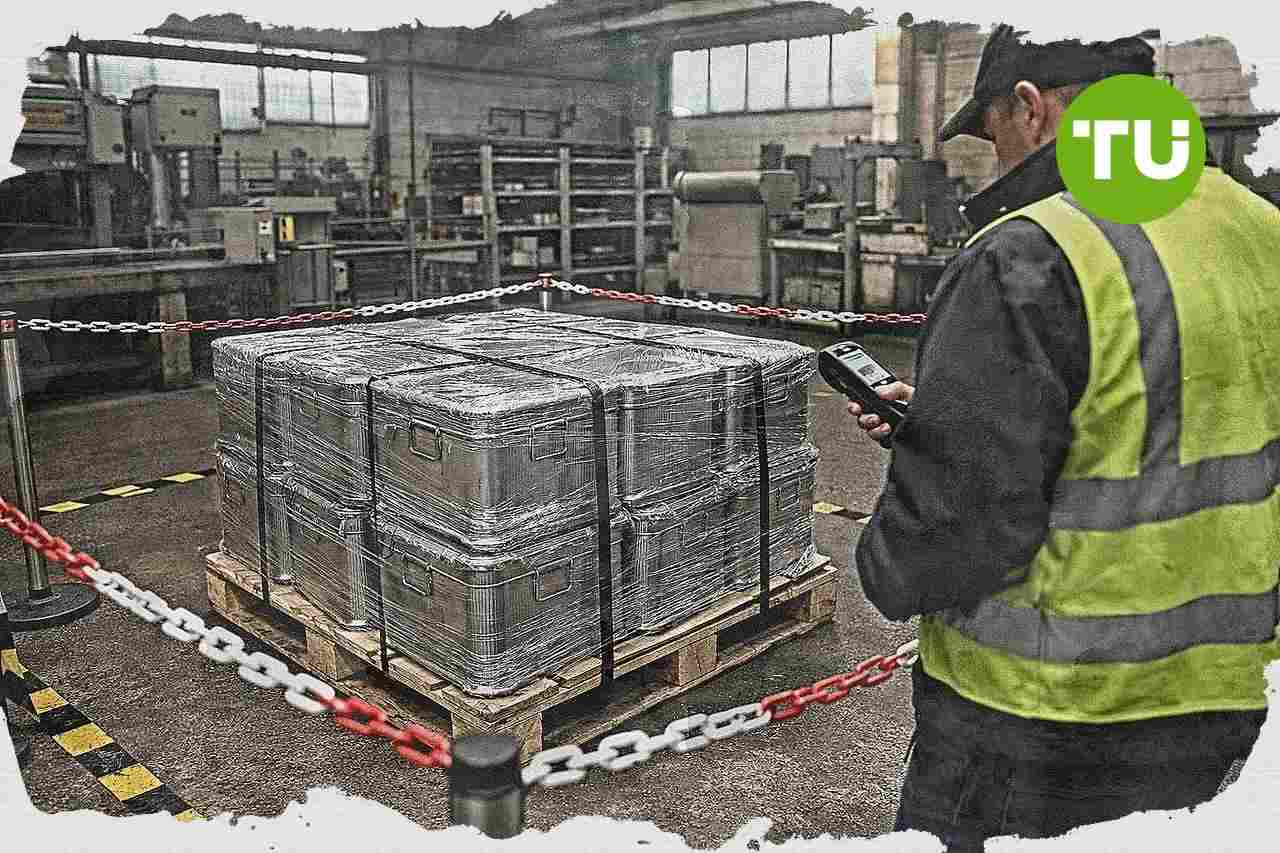
With a temporary easing in China-related supply tensions due to come under review later this year, the European Union is organizing a cross-department emergency team to prepare for possible disruptions. The move reflects broader concern in Brussels over strategic dependencies in key industrial inputs, especially rare earths, chips and other materials critical to manufacturing.
Highlights
- European Commission is creating an emergency task force ahead of potential rare earth export restrictions from China when current arrangements expire in October.
- China supplies 66 percent of mined and 88 percent of refined rare earths globally, leaving EU industries highly vulnerable to any trade disruptions.
- Commission's September proposal may introduce an export tax on aluminium scrap, expand rare earth magnet recycling, and impose a diversification law to reduce supply chain dependencies.
Commission planning for October supply risks
As reported by Financial Times, the European Commission is setting up an emergency task force to anticipate and respond to crises, including a possible trade conflict with China if current rare earth export arrangements expire in October. Three officials say the group will bring together staff from departments covering industry, trade, financial services, development aid, the economy and the unit under Commission President Ursula von der Leyen.The bloc is preparing for the risk that Beijing could reimpose restrictions on rare earth exports that are vital to manufacturing. China accounts for 66 per cent of mined rare earth supply and 88 per cent of refined global supply, leaving European industry highly exposed if flows are disrupted.
Officials say the task force is intended to improve the EU's ability to identify problems earlier and act more quickly. Its work is expected to include finding alternative sources of supply and possibly deploying EU funding to help maintain access to critical materials.
One official says China is only part of the group's focus, and the task force is expected to hold its first meeting in September. The Commission is also intensifying internal co-ordination with China-related work, while EU trade spokesperson Olof Gill says Brussels is increasing the frequency of structured dialogue and cross-service preparation.
Trade pressure grows across critical industries
Brussels is already facing wider pressure from its economic relationship with China. Trade commissioner Maroš Šefčovič has warned Beijing that unless there is progress in reversing the rise in the EU's 1 billion euro-a-day trade deficit, the bloc will take action.The concern goes beyond rare earths. The EU also depends on Chinese suppliers for chips used in sectors including car manufacturing, and a semiconductor squeeze in October, after a dispute involving the Dutch government and Nexperia's Chinese owner, forced the bloc to temporarily loosen sanctions on another Chinese supplier after warnings from the auto industry.
Chinese President Xi Jinping agreed last October, after meeting U.S. President Donald Trump, to lift a ban on some rare earth magnet and raw material exports for one year. But China also put in place a licensing system requiring European customers to submit requests and provide details on production methods and end customers, adding another layer of uncertainty even as officials remain hopeful the truce will be renewed.
The Commission is expected in September to present a proposal on supply chain dependencies. People briefed on the plans say this should include an export tax on aluminium scrap to retain more material for recycling inside the bloc, measures to expand rare earth magnet recycling within the EU, and a diversification law that would require companies to reduce reliance on a single supplier for certain key inputs.
We previously reported on the European Commission’s review of the EU Emissions Trading System (ETS), which could require member states to direct a larger minimum share of carbon-market revenues toward industrial decarbonisation. The plan would raise transparency over how ETS funds are spent and could broaden or adjust the scheme’s scope, but it is also provoking pushback from national governments concerned about losing budget flexibility and facing funding gaps.






-
 Afghanistan
-
 Albania
-
 Algeria
-
 Angola
-
 Argentina
-
 Armenia
-
 Australia
-
 Austria
-
 Azerbaijan
-
 Bahamas
-
 Bahrain
-
 Bangladesh
-
 Belarus
-
 Belgium
-
 Bolivia
-
 Botswana
-
 Brazil
-
 Brunei
-
 Bulgaria
-
 Cambodia
-
 Cameroon
-
 Canada
-
 Chile
Chile
-
 China
China
-
 Colombia
-
 Congo
Congo
-
 Costa Rica
-
 Cote d'Ivoire
-
 Croatia
-
 Cuba
Cuba
-
 Cyprus
-
 Czechia
-
 DR Congo
-
 Denmark
-
 Dominican Republic
-
 Ecuador
-
 Egypt
Egypt
-
 El Salvador
-
 Estonia
-
 Eswatini
-
 Ethiopia
-
 Finland
-
 France
-
 Georgia
-
 Germany
-
 Ghana
Ghana
-
 Greece
-
 Haiti
Haiti
-
 Hong Kong
-
 Hungary
-
 India
India
-
 Indonesia
-
 Iran, Islamic republic
-
 Iraq
Iraq
-
 Ireland
-
 Israel
-
 Italy
Italy
-
 Jamaica
-
 Japan
Japan
-
 Jordan
-
 Kazakhstan
-
 Kenya
Kenya
-
 Korea
Korea
-
 Kuwait
-
 Kyrgyzstan
-
 Laos
Laos
-
 Latvia
-
 Lebanon
-
 Lesotho
-
 Libya
Libya
-
 Lithuania
-
 Luxembourg
-
 Madagascar
-
 Malaysia
-
 Malta
Malta
-
 Mauritius
-
 Mexico
-
 Moldova
-
 Mongolia
-
 Montenegro
-
 Morocco
-
 Mozambique
-
 Myanmar
-
 Namibia
-
 Nepal
Nepal
-
 Netherlands
-
 New Zealand
-
 Nigeria
-
 North Macedonia
-
 Norway
-
 Oman
Oman
-
 Pakistan
-
 Palestine
-
 Panama
-
 Papua New Guinea
-
 Paraguay
-
 Peru
Peru
-
 Philippines
-
 Poland
-
 Portugal
-
 Puerto Rico
-
 Qatar
Qatar
-
 Reunion
-
 Romania
-
 Rwanda
-
 Saudi Arabia
-
 Serbia
-
 Singapore
-
 Slovakia
-
 Slovenia
-
 Somalia
-
 South Africa
-
 Spain
Spain
-
 Sri Lanka
-
 Sweden
-
 Switzerland
-
 Syria
Syria
-
 Taiwan
-
 Tajikistan
-
 Tanzania
-
 Thailand
-
 Trinidad and Tobago
-
 Tunisia
-
 Turkey
-
 UAE
UAE
-
 Uganda
-
 Ukraine
-
 United Kingdom
-
United States
-
 Uruguay
-
 Uzbekistan
-
 Venezuela
-
 Vietnam
-
 Yemen
Yemen
-
 Zambia
-
 Zimbabwe
- Forex
- Crypto












