
EU satellite model offers funding route for joint defence assets
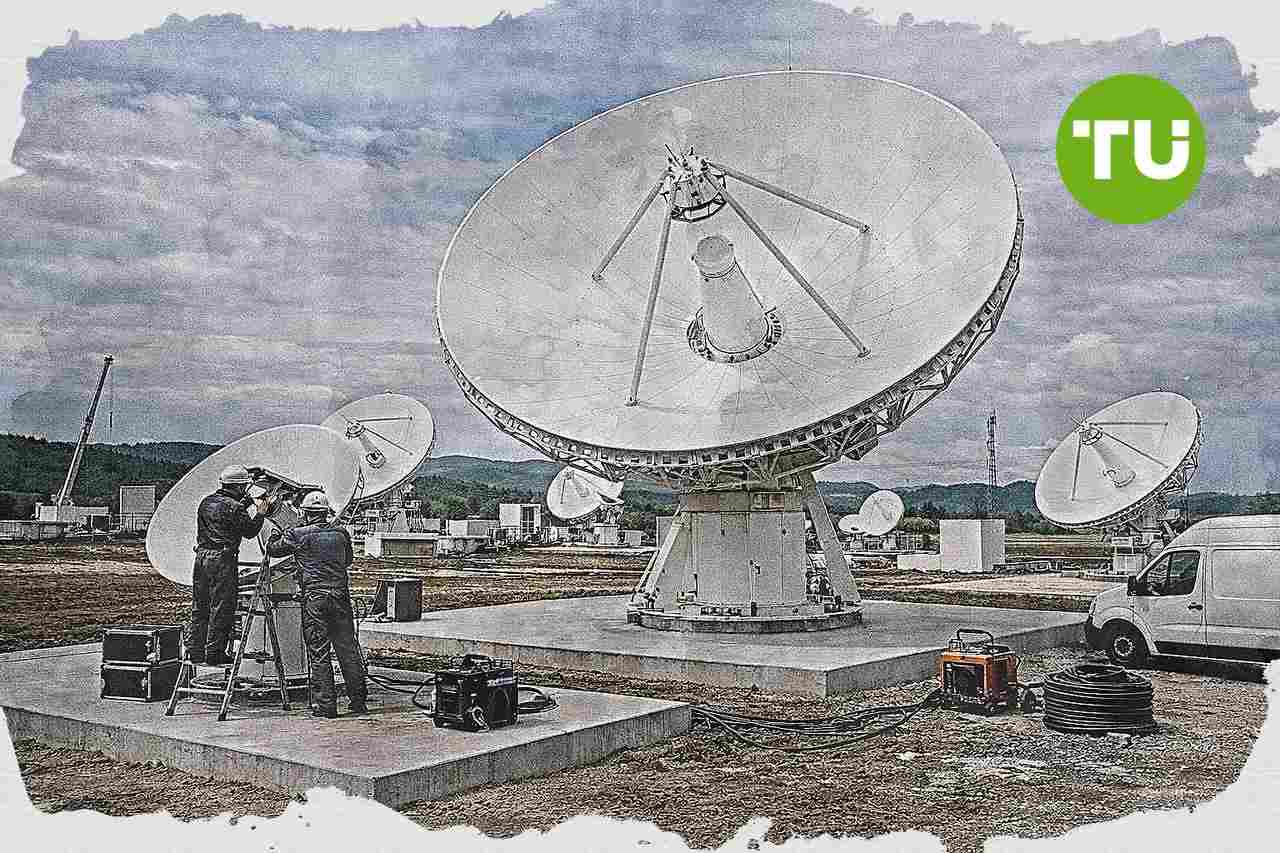
Europe is still struggling to match its strategic autonomy ambitions with a financing structure that can support common assets at scale. A proposed answer is to let the EU borrow against revenue-generating strategic infrastructure, using satellite systems such as Galileo and Iris² as a template.
Highlights
- EU could directly borrow and own strategic assets like satellites, funding them via member access fees and commercial sales, leveraging existing legal frameworks such as Galileo and Iris².
- A 20 billion euro space programme under this model could cover its own interest costs nearly five times over, yielding an annual surplus of about 2.8 billion euro.
- The proposed self-funding structure, avoiding direct cross-country transfers and supported by revenues, could ease political tensions and underpin robust, AAA-rated long-term bond issuance.
Satellite ownership model for EU financing
As argued in the Financial Times opinion piece by former Polish finance minister, the EU’s existing space framework shows how jointly owned strategic assets could support both defence capability and a stronger common bond market.The article links two long-running European debates, one over creating a common safe asset for the bloc and another over paying for defence systems that individual member states cannot efficiently build on their own. It says both run into the same obstacle, because bonds need a repayment source and shared public goods need a common owner.
Under the proposed model, the EU would borrow directly to build and own a portfolio of strategic assets, then recover costs by charging member states for access and selling spare capacity commercially. The article points to Galileo, which is owned by the EU, and Iris², which is being built and run under European control with a commercial component, as evidence that the legal and operational structure already exists.
It says the next step would be to expand that approach to a broader set of capabilities, including communications, all-weather radar imaging and space-based early warning. Long-dated interest-only AAA bonds could be issued at roughly 0.5 percentage points above Bund yields, while revenues from access fees and commercial use would support repayment.
Defence integration and market impact
The proposal is presented as an alternative to the EU’s 150 billion euro Safe programme, which lends to national governments to buy their own equipment. While that approach expands the stock of EU bonds, the article argues it risks deepening fragmentation in defence procurement rather than creating shared capabilities.On the figures cited, a 20 billion euro space programme could generate enough revenue to cover its interest costs nearly five times over, leaving an annual surplus of about 2.8 billion euro. That would make the debt more financially robust than generic Eurobond concepts because it would be backed by both a revenue stream and a productive public asset.
The article also argues that a self-funding structure could ease political resistance among member states because it avoids direct transfers and does not require countries to underwrite another nation’s security. A smaller group of willing states and partners could support the model, similar to Iris², while a European service with rules-based governance could attract outside users as confidence in U.S. and Chinese systems becomes less certain.
Risks remain, including thinner commercial revenues in Europe than those seen by Starlink, pricing limits under competition rules and the need to replace low-orbit satellites every few years. Even so, the article says the model could fit into ideas such as the Multilateral Defence Mechanism or Bruegel’s European Defence Mechanism, helping reduce capital needs while allowing the EU to treat strategic autonomy as an asset rather than only a cost.
Our earlier article on Paragon Bank PLC’s GBP500 million Series 2026-1 mortgage covered bond issuance explained how the lender expanded its programme to GBP1 billion in outstanding covered bonds while maintaining an AAA rating with a Stable Outlook. We highlighted that the rating strength rests on the quality and over-collateralisation of the mortgage cover pool, but also noted sensitivities tied to the issuer’s credit profile and collateral protection levels.








-
 Afghanistan
-
 Albania
-
 Algeria
-
 Angola
-
 Argentina
-
 Armenia
-
 Australia
-
 Austria
-
 Azerbaijan
-
 Bahamas
-
 Bahrain
-
 Bangladesh
-
 Belarus
-
 Belgium
-
 Bolivia
-
 Botswana
-
 Brazil
-
 Brunei
-
 Bulgaria
-
 Cambodia
-
 Cameroon
-
 Canada
-
 Chile
Chile
-
 China
China
-
 Colombia
-
 Congo
Congo
-
 Costa Rica
-
 Cote d'Ivoire
-
 Croatia
-
 Cuba
Cuba
-
 Cyprus
-
 Czechia
-
 DR Congo
-
 Denmark
-
 Dominican Republic
-
 Ecuador
-
 Egypt
Egypt
-
 El Salvador
-
 Estonia
-
 Eswatini
-
 Ethiopia
-
 Finland
-
 France
-
 Georgia
-
 Germany
-
 Ghana
Ghana
-
 Greece
-
 Haiti
Haiti
-
 Hong Kong
-
 Hungary
-
 India
India
-
 Indonesia
-
 Iran, Islamic republic
-
 Iraq
Iraq
-
 Ireland
-
 Israel
-
 Italy
Italy
-
 Jamaica
-
 Japan
Japan
-
 Jordan
-
 Kazakhstan
-
 Kenya
Kenya
-
 Korea
Korea
-
 Kuwait
-
 Kyrgyzstan
-
 Laos
Laos
-
 Latvia
-
 Lebanon
-
 Lesotho
-
 Libya
Libya
-
 Lithuania
-
 Luxembourg
-
 Madagascar
-
 Malaysia
-
 Malta
Malta
-
 Mauritius
-
 Mexico
-
 Moldova
-
 Mongolia
-
 Montenegro
-
 Morocco
-
 Mozambique
-
 Myanmar
-
 Namibia
-
 Nepal
Nepal
-
 Netherlands
-
 New Zealand
-
 Nigeria
-
 North Macedonia
-
 Norway
-
 Oman
Oman
-
 Pakistan
-
 Palestine
-
 Panama
-
 Papua New Guinea
-
 Paraguay
-
 Peru
Peru
-
 Philippines
-
 Poland
-
 Portugal
-
 Puerto Rico
-
 Qatar
Qatar
-
 Reunion
-
 Romania
-
 Rwanda
-
 Saudi Arabia
-
 Serbia
-
 Singapore
-
 Slovakia
-
 Slovenia
-
 Somalia
-
 South Africa
-
 Spain
Spain
-
 Sri Lanka
-
 Sweden
-
 Switzerland
-
 Syria
Syria
-
 Taiwan
-
 Tajikistan
-
 Tanzania
-
 Thailand
-
 Trinidad and Tobago
-
 Tunisia
-
 Turkey
-
 UAE
UAE
-
 Uganda
-
 Ukraine
-
 United Kingdom
-
United States
-
 Uruguay
-
 Uzbekistan
-
 Venezuela
-
 Vietnam
-
 Yemen
Yemen
-
 Zambia
-
 Zimbabwe
- Forex
- Crypto











