
UK lenders expand green home financing as household energy transition gains traction
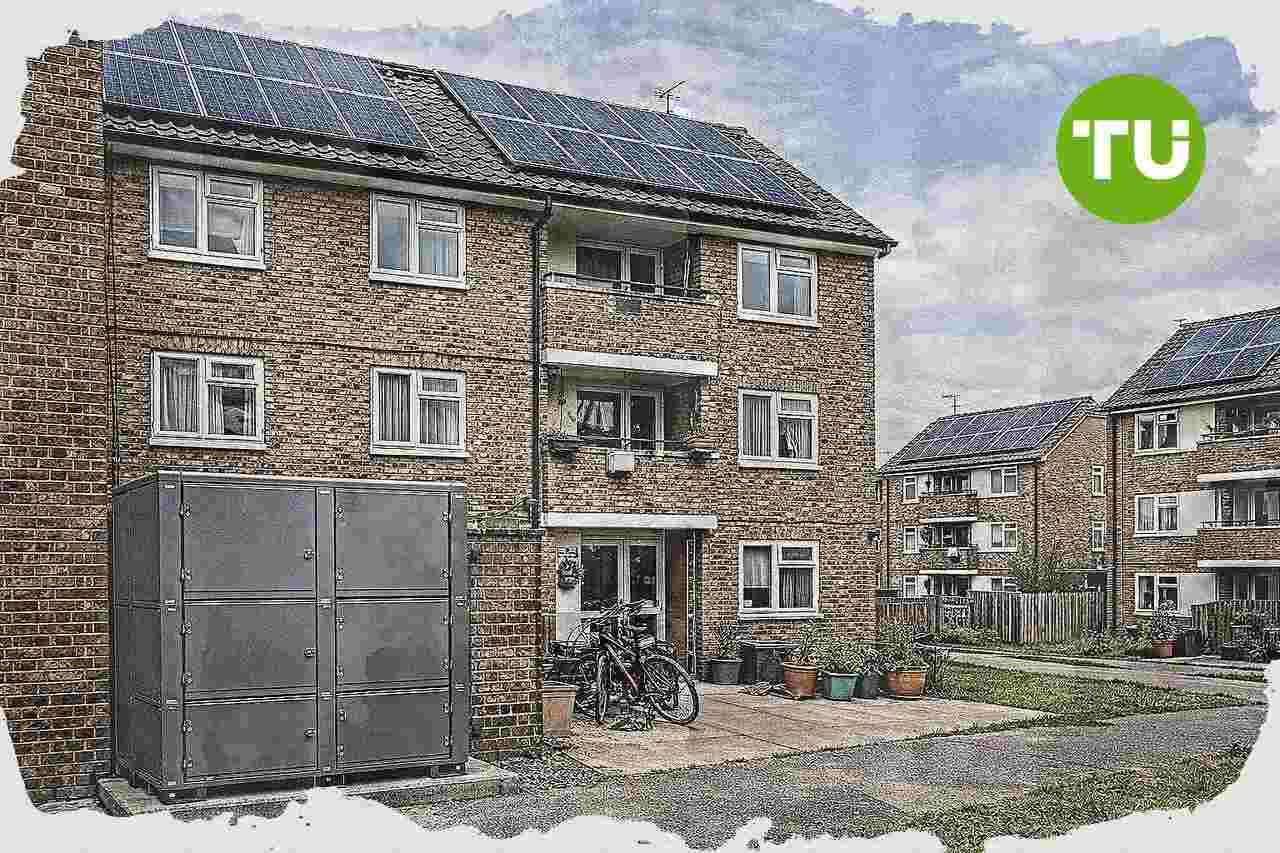
Household access to clean energy is becoming a more important test of the UK’s broader decarbonisation drive as high fossil fuel costs sharpen demand for cheaper alternatives. New financing models are helping more homeowners and social housing providers install solar panels, batteries and other low-carbon technology, even as problems in the retrofit sector continue to hold back trust in heat pumps.
Highlights
- UK lenders like Nationwide are offering zero-interest, five-year loans to homeowners for renewable energy systems, addressing high upfront installation costs, exemplified by a £10,105 solar project.
- Government policy now includes a £300 million programme subsidizing up to 20 per cent of green home loan principals, aiming to drive banks to cut interest rates and boost consumer uptake.
- Private capital, led by start-ups like Sero and backed by over £60 million in grants and pension funds, is funding solar and battery retrofits for 5,000 Camden social housing units, with returns linked to discounted energy sales.
Financing models widen access to home energy upgrades
As reported by Financial Times, lenders and investors are starting to play a bigger role in funding household adoption of renewable energy technology, addressing one of the main barriers to wider uptake, the high upfront cost of installation.That shift is illustrated by borrowers such as Barry Richardson in Runcorn, who has installed a storage battery and 12 solar panels on his terraced home using a zero-interest, five-year loan from mortgage lender Nationwide. The £10,105 system was installed by a supplier recommended by British Gas, and Richardson says the investment is aimed at giving him greater self-sufficiency from the grid.
The policy backdrop is also moving in the same direction. One of outgoing energy secretary Ed Miliband’s final measures is a £300 million programme designed to encourage banks to cut interest rates on green home loans in return for a subsidy of up to 20 per cent of the principal on a long-term loan.
Julian Nutley, managing director for home improvement lending at Tandem Bank, says demand is increasingly driven by economics rather than politics, as households look at generating their own electricity or cutting motoring costs. Industry group UK Finance also says clearer policy on clean energy and low-carbon housing is needed so firms have confidence to lend and invest for the long term.
Consumer trust and social housing remain key challenges
The expansion of financing comes as the retrofit market is still dealing with consumer protection failures that have damaged confidence, particularly around heat pumps. Natalie Barton in south London paid £6,100 to Infinity Renewables for a heat pump installation and faces losses after the installer collapses, before insurer IWA agrees to repay her full deposit following what it calls a clerical error.The same week, the Microgeneration Certification System, the sector’s standards body, announces the departure of its long-serving chief executive, while a separate government consultation examines how to avoid further failures in retrofit programmes for low-income households. Those changes, however, are only promised for 2028, leaving a near-term gap between policy ambition and consumer experience.
Banks could help raise standards because consumer lending rules make them responsible for how installers market services and for the quality of financed work. That could prove important in a UK market where poor past installations have slowed heat pump adoption in a country with Europe’s lowest number of heat pumps per 1,000 inhabitants.
Private capital is also moving into social housing. Sero, a start-up partly owned by Legal & General, is preparing to install solar panels and batteries on 5,000 social housing units in Camden and another undisclosed site, backed by more than £60 million from government grants and pension fund money to be recovered over 30 years. The company says tenants benefit from lower energy charges, while investors earn long-term returns through service fees linked to discounted electricity sales and power exported back to the grid.
We previously reported on the UK’s buy now, pay later market entering a new regulated phase, with the FCA requiring lenders to run creditworthiness and affordability checks on each transaction and expand consumer protections. The changes are expected to limit access for some borrowers while strengthening complaints and refund rights, which providers argue could rebuild trust and support sustainable demand over time.


Latest UK News







-
 Afghanistan
-
 Albania
-
 Algeria
-
 Angola
-
 Argentina
-
 Armenia
-
 Australia
-
 Austria
-
 Azerbaijan
-
 Bahamas
-
 Bahrain
-
 Bangladesh
-
 Belarus
-
 Belgium
-
 Bolivia
-
 Botswana
-
 Brazil
-
 Brunei
-
 Bulgaria
-
 Cambodia
-
 Cameroon
-
 Canada
-
 Chile
Chile
-
 China
China
-
 Colombia
-
 Congo
Congo
-
 Costa Rica
-
 Cote d'Ivoire
-
 Croatia
-
 Cuba
Cuba
-
 Cyprus
-
 Czechia
-
 DR Congo
-
 Denmark
-
 Dominican Republic
-
 Ecuador
-
 Egypt
Egypt
-
 El Salvador
-
 Estonia
-
 Eswatini
-
 Ethiopia
-
 Finland
-
 France
-
 Georgia
-
 Germany
-
 Ghana
Ghana
-
 Greece
-
 Haiti
Haiti
-
 Hong Kong
-
 Hungary
-
 India
India
-
 Indonesia
-
 Iran, Islamic republic
-
 Iraq
Iraq
-
 Ireland
-
 Israel
-
 Italy
Italy
-
 Jamaica
-
 Japan
Japan
-
 Jordan
-
 Kazakhstan
-
 Kenya
Kenya
-
 Korea
Korea
-
 Kuwait
-
 Kyrgyzstan
-
 Laos
Laos
-
 Latvia
-
 Lebanon
-
 Lesotho
-
 Libya
Libya
-
 Lithuania
-
 Luxembourg
-
 Madagascar
-
 Malaysia
-
 Malta
Malta
-
 Mauritius
-
 Mexico
-
 Moldova
-
 Mongolia
-
 Montenegro
-
 Morocco
-
 Mozambique
-
 Myanmar
-
 Namibia
-
 Nepal
Nepal
-
 Netherlands
-
 New Zealand
-
 Nigeria
-
 North Macedonia
-
 Norway
-
 Oman
Oman
-
 Pakistan
-
 Palestine
-
 Panama
-
 Papua New Guinea
-
 Paraguay
-
 Peru
Peru
-
 Philippines
-
 Poland
-
 Portugal
-
 Puerto Rico
-
 Qatar
Qatar
-
 Reunion
-
 Romania
-
 Rwanda
-
 Saudi Arabia
-
 Serbia
-
 Singapore
-
 Slovakia
-
 Slovenia
-
 Somalia
-
 South Africa
-
 Spain
Spain
-
 Sri Lanka
-
 Sweden
-
 Switzerland
-
 Syria
Syria
-
 Taiwan
-
 Tajikistan
-
 Tanzania
-
 Thailand
-
 Trinidad and Tobago
-
 Tunisia
-
 Turkey
-
 UAE
UAE
-
 Uganda
-
 Ukraine
-
 United Kingdom
-
United States
-
 Uruguay
-
 Uzbekistan
-
 Venezuela
-
 Vietnam
-
 Yemen
Yemen
-
 Zambia
-
 Zimbabwe
- Forex
- Crypto











