
UK adaptation policy needs Treasury leadership as climate costs rise
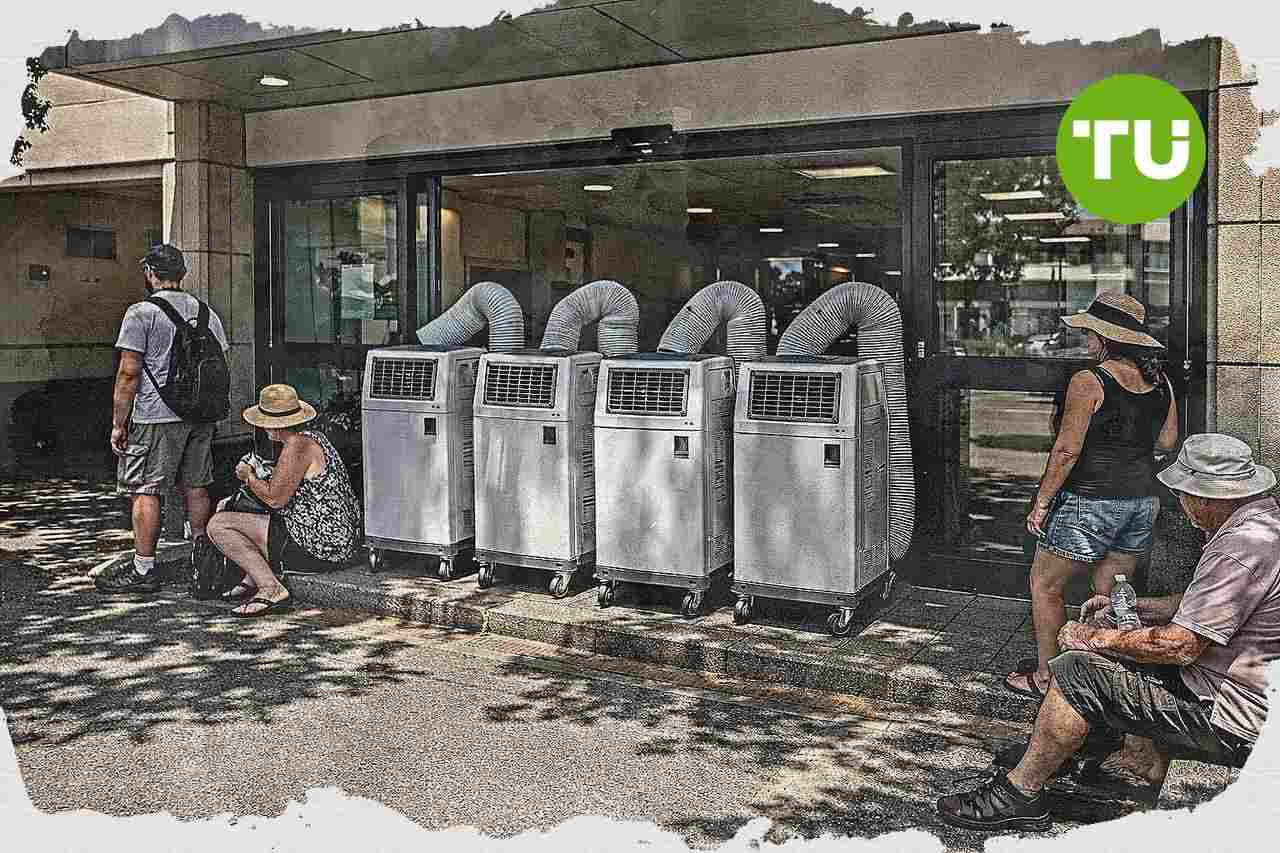
As heat-related disruption builds across the UK this summer, pressure is growing for climate policy to focus more heavily on adapting homes, transport, healthcare and farming to harsher conditions. The debate is shifting beyond emissions cuts alone, as the economic and operational costs of overheating schools, strained NHS facilities and vulnerable infrastructure become harder to ignore.
Highlights
- UK adaptation policy lacks a dedicated budget and remains weaker than mitigation despite repeated warnings from the Climate Change Committee about inadequate government action.
- The Treasury is identified as the department best placed to lead climate adaptation planning by scrutinising spending, aligning investment with climate risks, and embedding resilience across public services.
- Recent heatwaves causing school closures, healthcare disruptions, and transport issues highlight immediate economic risks, underscoring the need for Treasury-led adaptation integration into UK policy.
Treasury role in climate adaptation planning
As reported by Financial Times, adaptation remains the less developed side of UK climate policy even as official advisers continue to warn that government preparations are falling short.Climate policy is broadly split between mitigation, which aims to reduce greenhouse gas emissions, and adaptation, which focuses on adjusting daily life and public systems to a changing climate. While mitigation has drawn larger budgets, political attention and a clear net zero goal, adaptation has lacked a dedicated budget and has remained institutionally weaker inside government.
The Climate Change Committee has repeatedly highlighted that gap. In the foreword to its latest report in May, it says the public is concerned the country is unprepared and that current government action on adaptation is not working, adding that it is time for change.
The article argues that the Treasury is the part of government best placed to force departments to take the issue seriously. Framing adaptation as a value-for-money, economic performance and risk management issue could sharpen scrutiny of departmental plans and test whether public spending is resilient to future climate threats.
It also argues the Treasury should lead adaptation planning across government, weighing where spending is justified and where other options may reduce disruption at lower cost. That approach could help create a more consistent method for assessing climate risks in capital investment and public services.
Rising economic risks across public services
This summer’s heat is presented as a direct warning about the cost of delayed action. Disputes over air conditioning, school closures caused by overheating buildings, cancelled NHS operations and pressure on rail and road networks all point to immediate economic and social disruption.Those effects extend beyond short-term heatwaves. The longer-term agenda includes decisions on flood defence spending, access to insurance for exposed households, changes in farming and land use under hotter summers and wetter winters, and the risk of new diseases becoming established in the UK.
The article suggests Defra alone is unlikely to raise adaptation high enough on the government agenda, while a unit in the Cabinet Office could struggle without strong political backing. In that context, the Treasury is presented as the most effective lever for embedding adaptation into mainstream economic decision-making across Whitehall.
Our earlier coverage of Mitie Treasury Management Ltd.’s BBB issuer rating looked at how the group’s financing vehicle is supported by solid revenue growth and the ongoing integration of the Marlowe PLC acquisition. We also highlighted the constraints from Mitie’s heavy exposure to the UK market and the execution risks that come with competition and acquisition-led expansion.









-
 Afghanistan
-
 Albania
-
 Algeria
-
 Angola
-
 Argentina
-
 Armenia
-
 Australia
-
 Austria
-
 Azerbaijan
-
 Bahamas
-
 Bahrain
-
 Bangladesh
-
 Belarus
-
 Belgium
-
 Bolivia
-
 Botswana
-
 Brazil
-
 Brunei
-
 Bulgaria
-
 Cambodia
-
 Cameroon
-
 Canada
-
 Chile
Chile
-
 China
China
-
 Colombia
-
 Congo
Congo
-
 Costa Rica
-
 Cote d'Ivoire
-
 Croatia
-
 Cuba
Cuba
-
 Cyprus
-
 Czechia
-
 DR Congo
-
 Denmark
-
 Dominican Republic
-
 Ecuador
-
 Egypt
Egypt
-
 El Salvador
-
 Estonia
-
 Eswatini
-
 Ethiopia
-
 Finland
-
 France
-
 Georgia
-
 Germany
-
 Ghana
Ghana
-
 Greece
-
 Haiti
Haiti
-
 Hong Kong
-
 Hungary
-
 India
India
-
 Indonesia
-
 Iran, Islamic republic
-
 Iraq
Iraq
-
 Ireland
-
 Israel
-
 Italy
Italy
-
 Jamaica
-
 Japan
Japan
-
 Jordan
-
 Kazakhstan
-
 Kenya
Kenya
-
 Korea
Korea
-
 Kuwait
-
 Kyrgyzstan
-
 Laos
Laos
-
 Latvia
-
 Lebanon
-
 Lesotho
-
 Libya
Libya
-
 Lithuania
-
 Luxembourg
-
 Madagascar
-
 Malaysia
-
 Malta
Malta
-
 Mauritius
-
 Mexico
-
 Moldova
-
 Mongolia
-
 Montenegro
-
 Morocco
-
 Mozambique
-
 Myanmar
-
 Namibia
-
 Nepal
Nepal
-
 Netherlands
-
 New Zealand
-
 Nigeria
-
 North Macedonia
-
 Norway
-
 Oman
Oman
-
 Pakistan
-
 Palestine
-
 Panama
-
 Papua New Guinea
-
 Paraguay
-
 Peru
Peru
-
 Philippines
-
 Poland
-
 Portugal
-
 Puerto Rico
-
 Qatar
Qatar
-
 Reunion
-
 Romania
-
 Rwanda
-
 Saudi Arabia
-
 Serbia
-
 Singapore
-
 Slovakia
-
 Slovenia
-
 Somalia
-
 South Africa
-
 Spain
Spain
-
 Sri Lanka
-
 Sweden
-
 Switzerland
-
 Syria
Syria
-
 Taiwan
-
 Tajikistan
-
 Tanzania
-
 Thailand
-
 Trinidad and Tobago
-
 Tunisia
-
 Turkey
-
 UAE
UAE
-
 Uganda
-
 Ukraine
-
 United Kingdom
-
United States
-
 Uruguay
-
 Uzbekistan
-
 Venezuela
-
 Vietnam
-
 Yemen
Yemen
-
 Zambia
-
 Zimbabwe
- Forex
- Crypto











