
Ways and Means Committee advances health care access and pricing transparency agenda

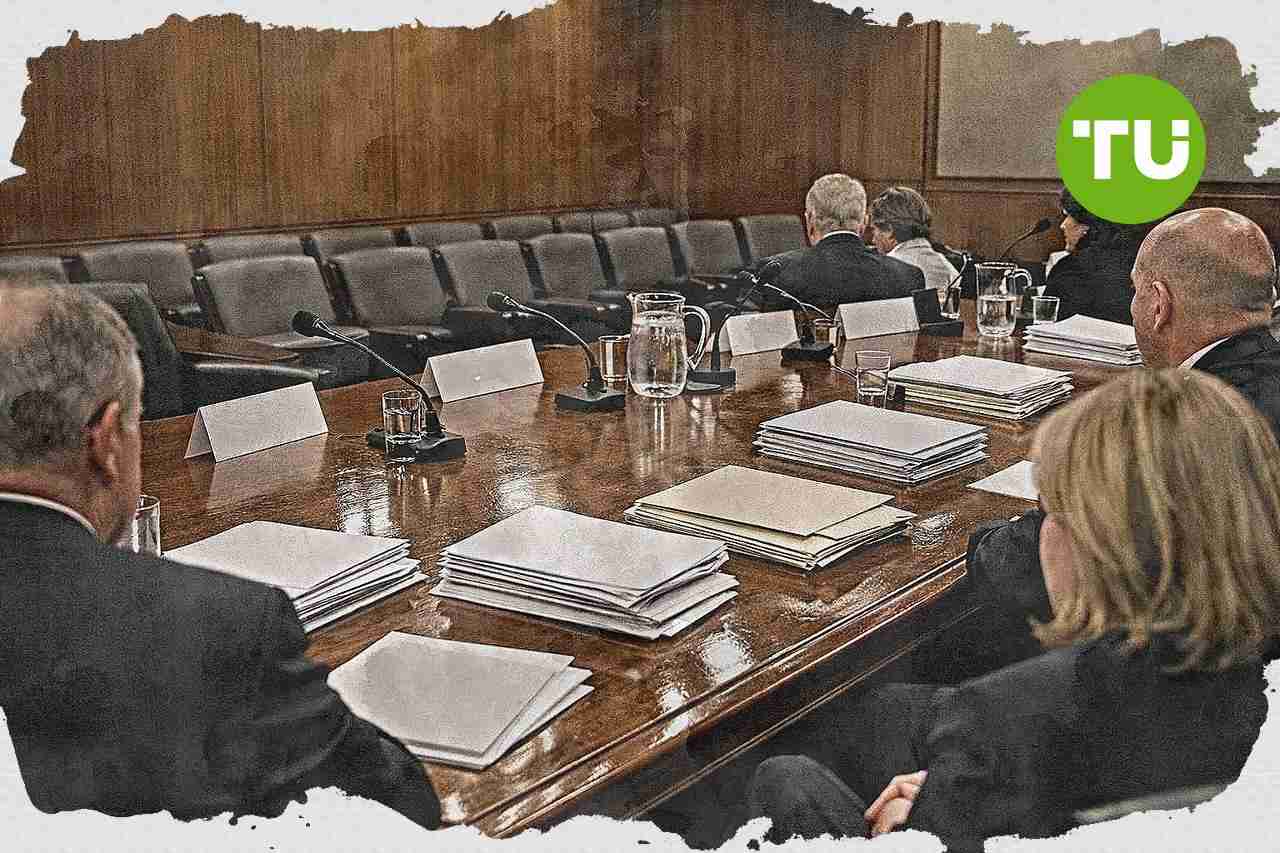
Republican lawmakers on the House Ways and Means Committee are moving a package of health care bills that targets affordability, rural access and insurer accountability. The July 15 markup centers on bipartisan measures covering nursing home visitation, remote monitoring, rural anesthesia payments, long-term acute care access, prior authorization and price transparency.
Highlights
- House Ways and Means Committee advances bipartisan legislation targeting rural health access, aiming to address provider shortages, reimbursement gaps, and payment disparities in underserved areas.
- Proposed bills would increase Medicare Advantage transparency by mandating disclosure of prior authorization practices, financial data, and require adoption of electronic tools to expedite treatment approvals.
- Committee seeks strengthened hospital and insurer price transparency by requiring pre-service price disclosures for patients, codifying rules first introduced during President Trump's term.
Committee markup targets rural access and Medicare rules
As reported by Ways and Means Committee, citing the House Committee on Ways and Means, Chairman Jason Smith says the panel is advancing legislation designed to widen access to care and address pricing and payment distortions across the health system.In his opening statement, Smith says the committee is focusing particularly on rural and underserved areas, where reimbursement gaps and provider shortages can limit access to services. He frames the package as an effort to give patients more control over care decisions and to increase transparency across hospitals, insurers and other providers.
The measures under review include bipartisan legislation from Representatives Tenney and Larson that would protect visitation rights for seniors in nursing homes and similar facilities during emergencies by requiring access for essential caregivers. Another bill from Representative Kustoff would preserve access to remote patient monitoring for Medicare beneficiaries in rural and underserved communities by addressing reimbursement disparities for digitally assisted care.
Smith also highlights legislation from Representative Moolenaar aimed at reducing a Medicare payment disparity affecting rural anesthesiologists, with the goal of sustaining anesthesia services and surgeries in rural hospitals. Separate legislation backed by Representatives Hern, Miller of West Virginia, and Smucker would let providers identify patients who need long-term acute care earlier and would align treatment rules for rural critical access hospitals with those for standard hospitals.
Insurer scrutiny and transparency measures expand
Another part of the package focuses on Medicare Advantage, where Smith says prior authorization has become a barrier to timely treatment for millions of seniors. Legislation from Tax Subcommittee Chairman Kelly and Representative DelBene would require more transparency in prior authorization practices and push insurers to adopt electronic tools intended to reduce burdens on physicians and hospitals.Smith says a further bill from Representative Moran would require Medicare Advantage insurers to publicly disclose revenue, medical spending, administrative costs and profits, while also improving how benefit information is presented to enrollees. He argues that seniors and taxpayers need clearer financial data before choosing coverage and paying into the system.
The committee is also considering legislation from Smith that would require hospitals and insurers to disclose the price of care before patients receive bills. He says the proposal would strengthen and codify price transparency rules first introduced during President Trump's first term, after what he describes as weak enforcement under the previous administration.
Throughout the statement, Smith presents the markup as a bipartisan push to tackle health care cost and access problems that affect families nationwide, especially in rural communities. He says the legislation is intended to improve accountability while preserving access to essential services for patients who face the greatest barriers.
Our earlier article on the House Financial Services Committee’s three-bill package explained how lawmakers advanced measures to cut minting costs by ending penny production, revise rules for evaluating failed-bank acquisition bids, and limit the use of merchant category codes that identify firearms retailers. We noted the proposals’ broader focus on lowering operating costs, reshaping regulatory processes, and setting clearer rules for payment and banking systems.


Latest Public Safety News





-
 Afghanistan
-
 Albania
-
 Algeria
-
 Angola
-
 Argentina
-
 Armenia
-
 Australia
-
 Austria
-
 Azerbaijan
-
 Bahamas
-
 Bahrain
-
 Bangladesh
-
 Belarus
-
 Belgium
-
 Bolivia
-
 Botswana
-
 Brazil
-
 Brunei
-
 Bulgaria
-
 Cambodia
-
 Cameroon
-
 Canada
-
 Chile
Chile
-
 China
China
-
 Colombia
-
 Congo
Congo
-
 Costa Rica
-
 Cote d'Ivoire
-
 Croatia
-
 Cuba
Cuba
-
 Cyprus
-
 Czechia
-
 DR Congo
-
 Denmark
-
 Dominican Republic
-
 Ecuador
-
 Egypt
Egypt
-
 El Salvador
-
 Estonia
-
 Eswatini
-
 Ethiopia
-
 Finland
-
 France
-
 Georgia
-
 Germany
-
 Ghana
Ghana
-
 Greece
-
 Haiti
Haiti
-
 Hong Kong
-
 Hungary
-
 India
India
-
 Indonesia
-
 Iran, Islamic republic
-
 Iraq
Iraq
-
 Ireland
-
 Israel
-
 Italy
Italy
-
 Jamaica
-
 Japan
Japan
-
 Jordan
-
 Kazakhstan
-
 Kenya
Kenya
-
 Korea
Korea
-
 Kuwait
-
 Kyrgyzstan
-
 Laos
Laos
-
 Latvia
-
 Lebanon
-
 Lesotho
-
 Libya
Libya
-
 Lithuania
-
 Luxembourg
-
 Madagascar
-
 Malaysia
-
 Malta
Malta
-
 Mauritius
-
 Mexico
-
 Moldova
-
 Mongolia
-
 Montenegro
-
 Morocco
-
 Mozambique
-
 Myanmar
-
 Namibia
-
 Nepal
Nepal
-
 Netherlands
-
 New Zealand
-
 Nigeria
-
 North Macedonia
-
 Norway
-
 Oman
Oman
-
 Pakistan
-
 Palestine
-
 Panama
-
 Papua New Guinea
-
 Paraguay
-
 Peru
Peru
-
 Philippines
-
 Poland
-
 Portugal
-
 Puerto Rico
-
 Qatar
Qatar
-
 Reunion
-
 Romania
-
 Rwanda
-
 Saudi Arabia
-
 Serbia
-
 Singapore
-
 Slovakia
-
 Slovenia
-
 Somalia
-
 South Africa
-
 Spain
Spain
-
 Sri Lanka
-
 Sweden
-
 Switzerland
-
 Syria
Syria
-
 Taiwan
-
 Tajikistan
-
 Tanzania
-
 Thailand
-
 Trinidad and Tobago
-
 Tunisia
-
 Turkey
-
 UAE
UAE
-
 Uganda
-
 Ukraine
-
 United Kingdom
-
United States
-
 Uruguay
-
 Uzbekistan
-
 Venezuela
-
 Vietnam
-
 Yemen
Yemen
-
 Zambia
-
 Zimbabwe
- Forex
- Crypto











