
U.S. House panel examines identity verification to curb fraud risks in government programs
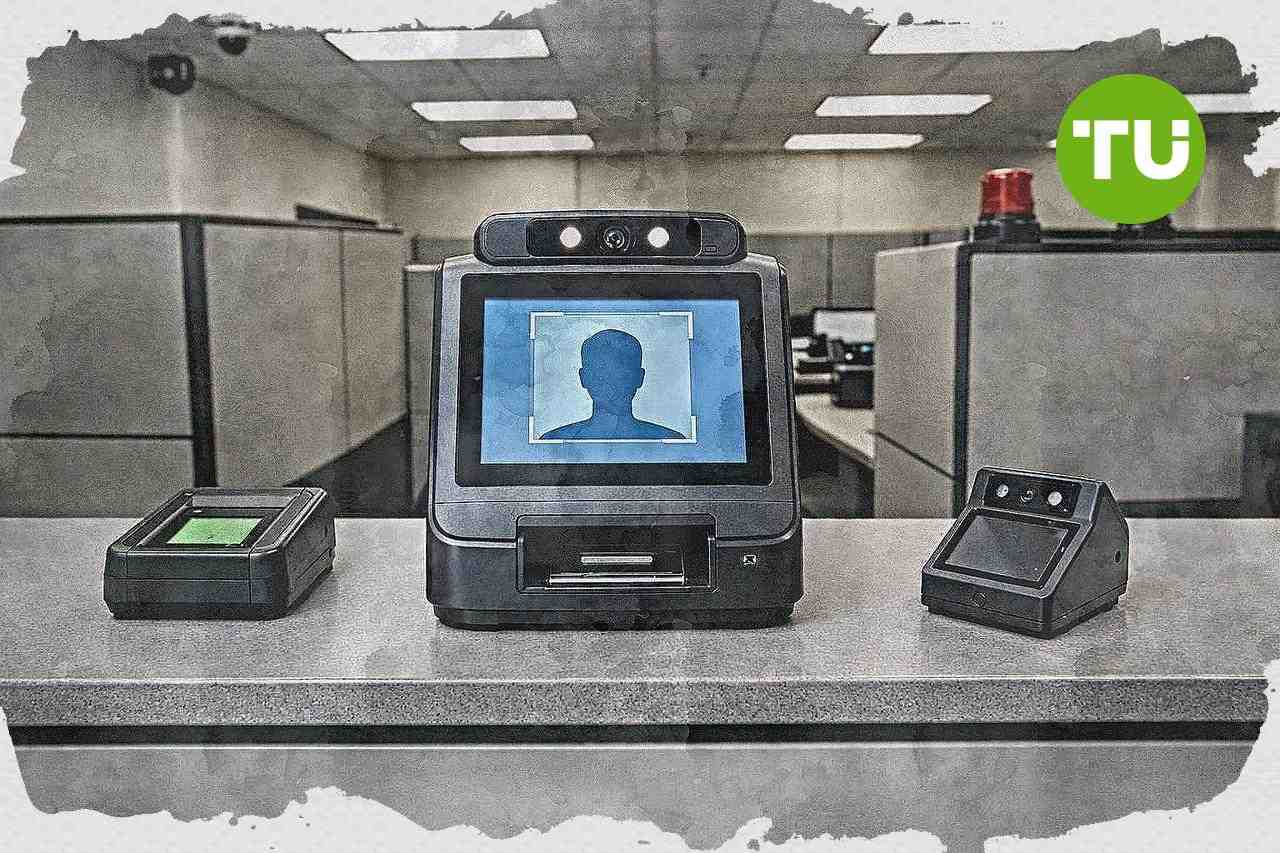
Federal oversight of digital identity checks is regaining focus as fraud schemes become more sophisticated across government benefits systems. Lawmakers say advances in AI, synthetic identities and deepfakes are increasing pressure on agencies to strengthen prevention tools before taxpayer funds are lost.
Highlights
- House Committee on Oversight and Accountability Chairman Pete Sessions warns that federal identity verification systems lag behind sophisticated AI-driven fraud threats targeting government programs.
- Sessions criticizes the General Services Administration for misleading agencies on Login.gov's compliance with technical standards, prompting both reforms to the platform and broader exploration of digital identity tools.
- Sessions introduces the bipartisan Stop Identity Fraud and Identity Theft Act in January, aiming to enhance digital identity verification infrastructure and better shield individuals, businesses, and government programs from identity fraud.
Congressional focus on digital identity controls
As reported by Oversight Committee, citing the House Committee on Oversight and Accountability, Subcommittee on Government Operations Chairman Pete Sessions opens a hearing on emerging fraud threats with a warning that identity verification systems used by federal agencies are struggling to keep pace with evolving scams.Sessions says fraud prevention remains more effective than trying to recover money after it has already been paid out, but adds that policymakers also need to better define the kinds of fraud now targeting public programs. He says government systems face threats ranging from stolen personal data to coordinated fraud rings and foreign actors seeking access to multiple relief or benefits channels.
He also points to AI-driven tactics that give bad actors more ways to bypass safeguards. In his remarks, he says fraudsters can create hundreds or thousands of synthetic identities and use deepfakes to imitate real people while applying for benefits across multiple programs at the same time.
Login.gov scrutiny and policy response
Sessions links the current discussion to the subcommittee's March 2023 hearing on Login.gov, which reviewed findings from the General Services Administration inspector general. He says GSA misled government clients about whether the platform met technical standards designed to support identity verification, fraud prevention and taxpayer data protection.He says the federal government has since made changes to Login.gov while agencies also explore other public- and private-sector digital identity tools. As more services move online and physical identification may be used less often, he argues agencies should shift from one-time identity checks at the start of an application to more continuous validation and monitoring.
Sessions also highlights bipartisan legislation he introduced in January, the Stop Identity Fraud and Identity Theft Act. He says the bill is intended to strengthen the nation's digital identity verification infrastructure and better protect individuals, businesses and government programs from rising identity fraud and theft.
Our earlier coverage examined House Republicans’ push to reshape the CFPB through a committee hearing on the bureau’s semi-annual report and testimony from Acting Director Russ Vought. Lawmakers argued that administrative shifts are not enough on their own and called for legislation to clarify the agency’s authority, strengthen transparency and due process, and reduce policy swings that create uncertainty for consumers and financial firms.


Latest AI News







-
 Afghanistan
-
 Albania
-
 Algeria
-
 Angola
-
 Argentina
-
 Armenia
-
 Australia
-
 Austria
-
 Azerbaijan
-
 Bahamas
-
 Bahrain
-
 Bangladesh
-
 Belarus
-
 Belgium
-
 Bolivia
-
 Botswana
-
 Brazil
-
 Brunei
-
 Bulgaria
-
 Cambodia
-
 Cameroon
-
 Canada
-
 Chile
Chile
-
 China
China
-
 Colombia
-
 Congo
Congo
-
 Costa Rica
-
 Cote d'Ivoire
-
 Croatia
-
 Cuba
Cuba
-
 Cyprus
-
 Czechia
-
 DR Congo
-
 Denmark
-
 Dominican Republic
-
 Ecuador
-
 Egypt
Egypt
-
 El Salvador
-
 Estonia
-
 Eswatini
-
 Ethiopia
-
 Finland
-
 France
-
 Georgia
-
 Germany
-
 Ghana
Ghana
-
 Greece
-
 Haiti
Haiti
-
 Hong Kong
-
 Hungary
-
 India
India
-
 Indonesia
-
 Iran, Islamic republic
-
 Iraq
Iraq
-
 Ireland
-
 Israel
-
 Italy
Italy
-
 Jamaica
-
 Japan
Japan
-
 Jordan
-
 Kazakhstan
-
 Kenya
Kenya
-
 Korea
Korea
-
 Kuwait
-
 Kyrgyzstan
-
 Laos
Laos
-
 Latvia
-
 Lebanon
-
 Lesotho
-
 Libya
Libya
-
 Lithuania
-
 Luxembourg
-
 Madagascar
-
 Malaysia
-
 Malta
Malta
-
 Mauritius
-
 Mexico
-
 Moldova
-
 Mongolia
-
 Montenegro
-
 Morocco
-
 Mozambique
-
 Myanmar
-
 Namibia
-
 Nepal
Nepal
-
 Netherlands
-
 New Zealand
-
 Nigeria
-
 North Macedonia
-
 Norway
-
 Oman
Oman
-
 Pakistan
-
 Palestine
-
 Panama
-
 Papua New Guinea
-
 Paraguay
-
 Peru
Peru
-
 Philippines
-
 Poland
-
 Portugal
-
 Puerto Rico
-
 Qatar
Qatar
-
 Reunion
-
 Romania
-
 Rwanda
-
 Saudi Arabia
-
 Serbia
-
 Singapore
-
 Slovakia
-
 Slovenia
-
 Somalia
-
 South Africa
-
 Spain
Spain
-
 Sri Lanka
-
 Sweden
-
 Switzerland
-
 Syria
Syria
-
 Taiwan
-
 Tajikistan
-
 Tanzania
-
 Thailand
-
 Trinidad and Tobago
-
 Tunisia
-
 Turkey
-
 UAE
UAE
-
 Uganda
-
 Ukraine
-
 United Kingdom
-
United States
-
 Uruguay
-
 Uzbekistan
-
 Venezuela
-
 Vietnam
-
 Yemen
Yemen
-
 Zambia
-
 Zimbabwe
- Forex
- Crypto











