
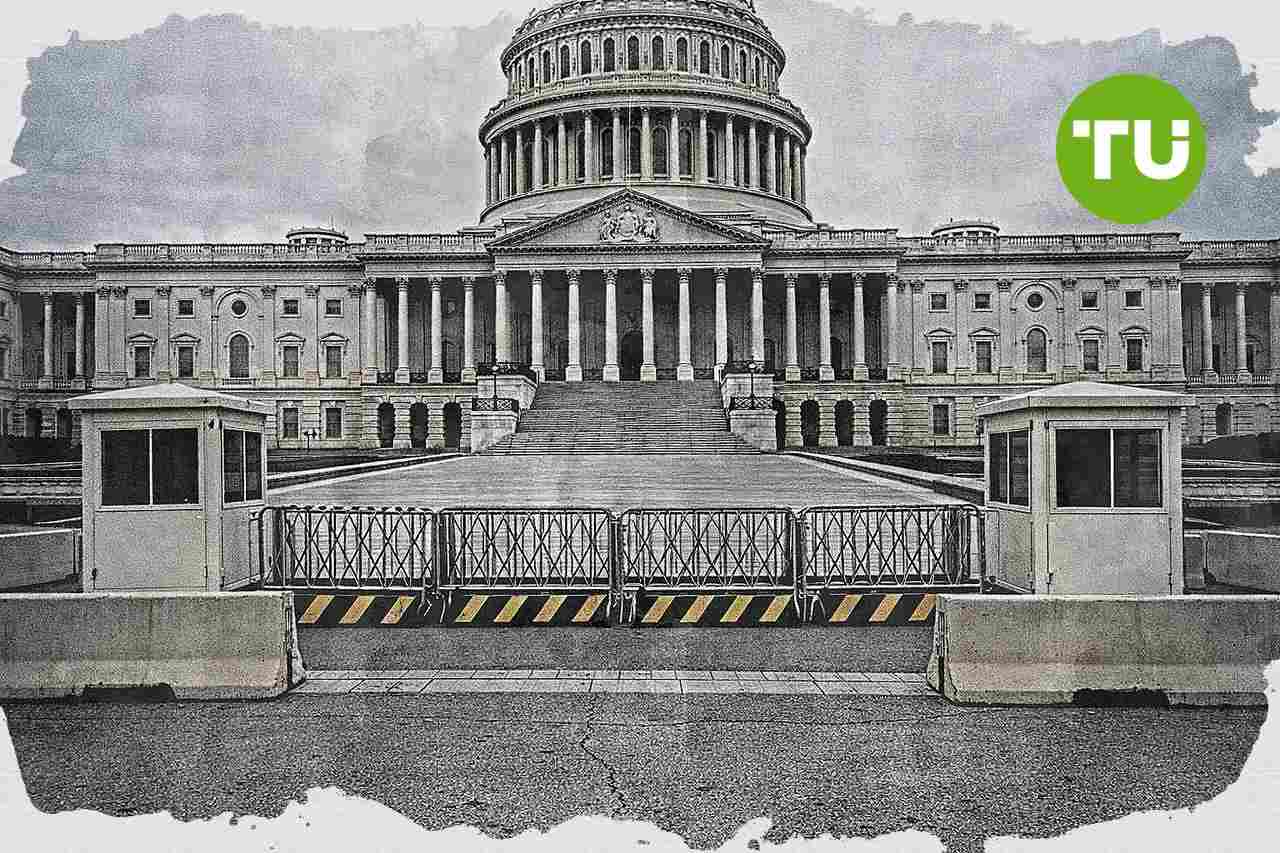
A new clash over presidential war authority is unfolding as the Trump administration treats July 7 as the formal start date of U.S. war with Iran. That timeline resets the 60-day clock under the War Powers Resolution, shaping when Congress must authorize the conflict or U.S. forces must withdraw.
Highlights
- President Trump's July 10 letter to Congress states that the U.S. war with Iran began on July 7, triggering War Powers Resolution obligations.
- The 60-day War Powers Resolution period now extends from July 7, requiring Congress to approve military action or mandate withdrawal of U.S. forces.
- The White House asserts the new timeline, intensifying the constitutional dispute over war-making powers between Congress and the presidency.
Congressional clock starts from July 7
As first reported by Bloomberg, President Donald Trump's July 10 letter to Congress states that the U.S. has been at war with Iran since July 7, a move that formally sets the legal timeline for lawmakers' response.The date is central because the White House says it restarts the 60-day period under the War Powers Resolution. Under that Nixon-era law, Congress must approve the military action within that window or American forces must be withdrawn.
Constitutional stakes for U.S. lawmakers
The dispute turns on the balance of powers between the presidency and Congress in matters of war. The War Powers Resolution was designed to limit commanders-in-chief from expanding military action without legislative backing, reflecting the Constitution's provision that only Congress can declare war.The argument also raises broader political pressure on lawmakers, because the law is intended to prevent U.S. troops from fighting in conflicts that legislators and voters may not support. By using July 7 as the operative date, the administration is defining the timetable for that confrontation with Congress.
Our earlier coverage of the U.S.-Iran escalation explained how crude prices eased slightly as traders took profits after a sharp rally, even as conflict headlines kept a geopolitical risk premium in place. The piece noted that the key market concern remains potential disruption to Gulf oil flows—especially around the Strait of Hormuz—while prices can pull back when no physical supply losses are confirmed.


Latest Iran war News







-
 Afghanistan
-
 Albania
-
 Algeria
-
 Angola
-
 Argentina
-
 Armenia
-
 Australia
-
 Austria
-
 Azerbaijan
-
 Bahamas
-
 Bahrain
-
 Bangladesh
-
 Belarus
-
 Belgium
-
 Bolivia
-
 Botswana
-
 Brazil
-
 Brunei
-
 Bulgaria
-
 Cambodia
-
 Cameroon
-
 Canada
-
 Chile
Chile
-
 China
China
-
 Colombia
-
 Congo
Congo
-
 Costa Rica
-
 Cote d'Ivoire
-
 Croatia
-
 Cuba
Cuba
-
 Cyprus
-
 Czechia
-
 DR Congo
-
 Denmark
-
 Dominican Republic
-
 Ecuador
-
 Egypt
Egypt
-
 El Salvador
-
 Estonia
-
 Eswatini
-
 Ethiopia
-
 Finland
-
 France
-
 Georgia
-
 Germany
-
 Ghana
Ghana
-
 Greece
-
 Haiti
Haiti
-
 Hong Kong
-
 Hungary
-
 India
India
-
 Indonesia
-
 Iran, Islamic republic
-
 Iraq
Iraq
-
 Ireland
-
 Israel
-
 Italy
Italy
-
 Jamaica
-
 Japan
Japan
-
 Jordan
-
 Kazakhstan
-
 Kenya
Kenya
-
 Korea
Korea
-
 Kuwait
-
 Kyrgyzstan
-
 Laos
Laos
-
 Latvia
-
 Lebanon
-
 Lesotho
-
 Libya
Libya
-
 Lithuania
-
 Luxembourg
-
 Madagascar
-
 Malaysia
-
 Malta
Malta
-
 Mauritius
-
 Mexico
-
 Moldova
-
 Mongolia
-
 Montenegro
-
 Morocco
-
 Mozambique
-
 Myanmar
-
 Namibia
-
 Nepal
Nepal
-
 Netherlands
-
 New Zealand
-
 Nigeria
-
 North Macedonia
-
 Norway
-
 Oman
Oman
-
 Pakistan
-
 Palestine
-
 Panama
-
 Papua New Guinea
-
 Paraguay
-
 Peru
Peru
-
 Philippines
-
 Poland
-
 Portugal
-
 Puerto Rico
-
 Qatar
Qatar
-
 Reunion
-
 Romania
-
 Rwanda
-
 Saudi Arabia
-
 Serbia
-
 Singapore
-
 Slovakia
-
 Slovenia
-
 Somalia
-
 South Africa
-
 Spain
Spain
-
 Sri Lanka
-
 Sweden
-
 Switzerland
-
 Syria
Syria
-
 Taiwan
-
 Tajikistan
-
 Tanzania
-
 Thailand
-
 Trinidad and Tobago
-
 Tunisia
-
 Turkey
-
 UAE
UAE
-
 Uganda
-
 Ukraine
-
 United Kingdom
-
United States
-
 Uruguay
-
 Uzbekistan
-
 Venezuela
-
 Vietnam
-
 Yemen
Yemen
-
 Zambia
-
 Zimbabwe
- Forex
- Crypto











