

U.S. pizza chains face delivery pressure as apps erode market edge
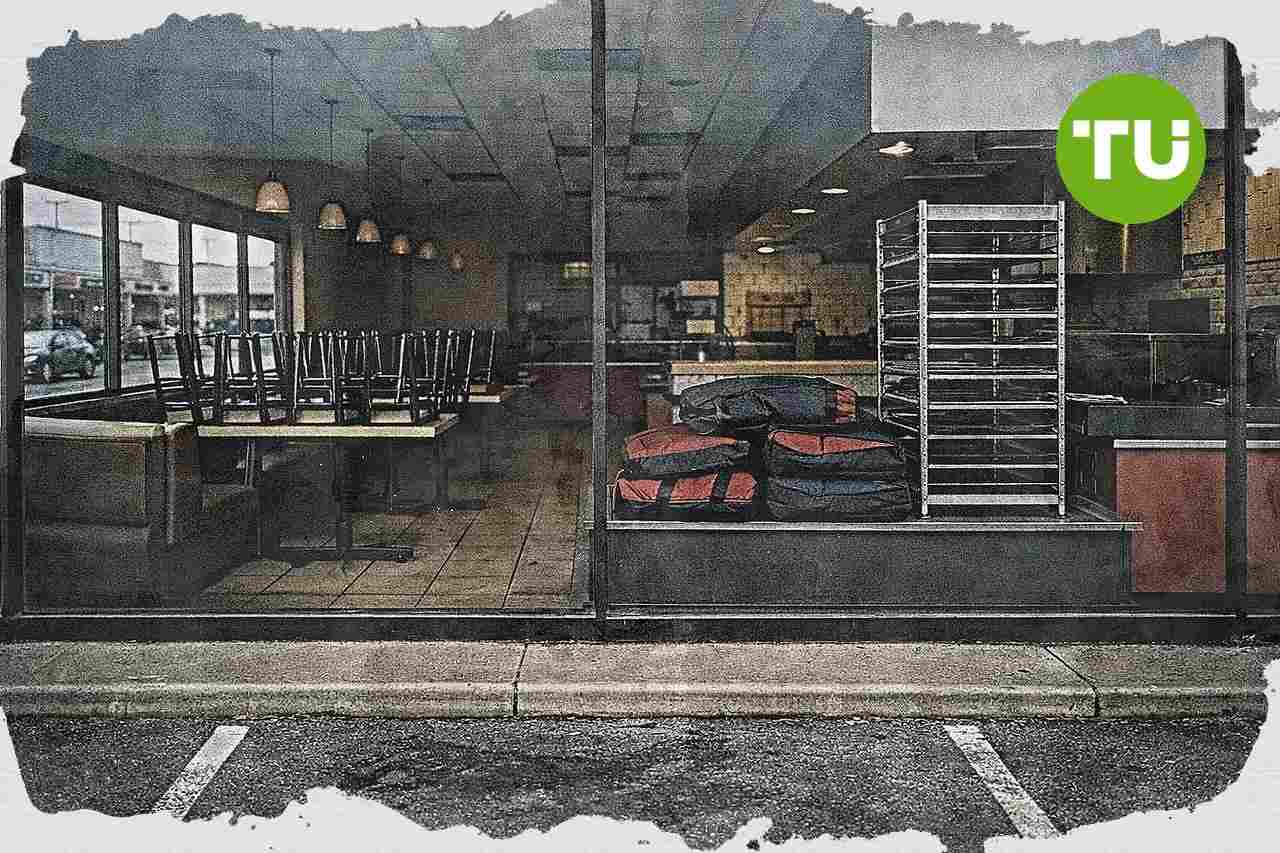
U.S. pizza chains are losing one of their biggest competitive advantages as delivery apps expand consumer choice beyond the traditional leaders in doorstep meals. The shift is weighing on sales, store networks and investor sentiment across major brands including Domino’s, Papa Johns and Pizza Hut.
Highlights
- Papa Johns plans to close about 200 locations by December, Pizza Hut was sold to private equity, and Domino’s shares fell about 30 per cent over the past year.
- Delivery sales at U.S. quick-service pizza chains declined from $19.8bn in 2021 to $17.3bn in 2022 and $16.5bn in 2023, with chain revenue falling overall in 2025.
- Third-party delivery apps like DoorDash and Uber Eats have eroded pizza chains’ technology and marketing advantages, intensifying competition and shifting consumer loyalty toward broader restaurant categories.
Delivery platforms reshape pizza competition
As reported by Financial Times, large pizza chains are struggling as services such as DoorDash and Uber Eats make it easier for independent pizzerias and other restaurant categories to reach customers who once relied heavily on chain-run delivery networks.Papa Johns plans to close about 200 locations by December, while Pizza Hut was sold to private equity last month and Domino’s shares have fallen about 30 per cent over the past year. Chain pizza revenue declined overall in 2025 after years of slowing growth, according to Technomic.
Domino’s, which reports earnings on Monday, lowered its guidance last quarter, citing high inflation and petrol prices. Chief executive Russell Weiner says he expects the company’s delivery business to improve when the economy does, and says Domino’s can still grow comparable sales this year.
Analysts say the pressure reflects a long-term structural change in delivery. Delivery sales at quick-service pizza chains have slipped roughly 15 per cent since 2021, according to JPMorgan, as apps give a far wider range of restaurants access to delivery logistics once dominated by pizza brands.
While delivery apps emerged in the mid-2010s, they expanded rapidly during the Covid-19 pandemic, when Uber Eats and DoorDash both saw revenue roughly triple in 2020. Papa Johns and Pizza Hut previously said third-party delivery helped offset labour shortages during that period, but analysts say the same platforms are now intensifying competition across the category.
Domino’s, which kept its proprietary delivery model for longer, told investors in 2022 that staffing shortages had significantly affected delivery sales. Even after labour conditions improved in 2023, JPMorgan says total delivery sales at U.S. quick-service pizza chains fell from $19.8bn in 2021 to $17.3bn in 2022, then to $16.5bn in 2023.
Marketing reach and customer habits shift
Analysts say delivery apps are also reducing advantages that chain operators once held in technology and brand visibility. Citibank analyst Jon Tower says pizza groups previously had a clear lead through early mobile ordering apps, smoother digital ordering and in-app promotions, but local restaurants can now access many of the same consumers through Uber Eats.That change is affecting both discovery and loyalty. RBC analyst Logan Reich says Uber Eats functions like a food search engine, placing Domino’s, Papa Johns and local operators side by side rather than giving large chains a privileged position in front of customers.
Pizza chains have acknowledged the risk for years. Domino’s and Papa Johns both added competition from delivery aggregators and other food delivery services as a risk factor in SEC filings in 2018.
Operators say they must now match the speed, convenience and variety that app users expect. Stephen Kennedy, chief marketing officer at Marco’s Pizza, says competition has grown exponentially and says the chain must keep pace with app-based delivery times or risk losing customers, especially as tighter household budgets raise expectations on value and service.
Domino’s says its presence on third-party apps helped keep deliveries steady last quarter because those platforms reach higher-income consumers on average. Weiner told investors in April that the company’s delivery business would have taken an even bigger hit without that channel.
Consumer behaviour reflects the broader shift. Some diners now use apps to try different cuisines rather than defaulting to pizza, reinforcing the challenge for chains that once benefited from being among the few foods seen as dependable for delivery.
In our earlier article on foodborne illness outbreaks hitting U.S. restaurant chains, we covered how Taco Bell moved to stop using lettuce from a supplier linked by regulators to a cyclosporiasis outbreak. We also explained that while some incidents tend to cause only short-term sales pressure, more severe outbreaks can trigger multi-quarter damage, underscoring how operational shocks can quickly change the outlook for major chains.





Latest Darden Restaurants Inc News






-
 Afghanistan
-
 Albania
-
 Algeria
-
 Angola
-
 Argentina
-
 Armenia
-
 Australia
-
 Austria
-
 Azerbaijan
-
 Bahamas
-
 Bahrain
-
 Bangladesh
-
 Belarus
-
 Belgium
-
 Bolivia
-
 Botswana
-
 Brazil
-
 Brunei
-
 Bulgaria
-
 Cambodia
-
 Cameroon
-
 Canada
-
 Chile
Chile
-
 China
China
-
 Colombia
-
 Congo
Congo
-
 Costa Rica
-
 Cote d'Ivoire
-
 Croatia
-
 Cuba
Cuba
-
 Cyprus
-
 Czechia
-
 DR Congo
-
 Denmark
-
 Dominican Republic
-
 Ecuador
-
 Egypt
Egypt
-
 El Salvador
-
 Estonia
-
 Eswatini
-
 Ethiopia
-
 Finland
-
 France
-
 Georgia
-
 Germany
-
 Ghana
Ghana
-
 Greece
-
 Haiti
Haiti
-
 Hong Kong
-
 Hungary
-
 India
India
-
 Indonesia
-
 Iran, Islamic republic
-
 Iraq
Iraq
-
 Ireland
-
 Israel
-
 Italy
Italy
-
 Jamaica
-
 Japan
Japan
-
 Jordan
-
 Kazakhstan
-
 Kenya
Kenya
-
 Korea
Korea
-
 Kuwait
-
 Kyrgyzstan
-
 Laos
Laos
-
 Latvia
-
 Lebanon
-
 Lesotho
-
 Libya
Libya
-
 Lithuania
-
 Luxembourg
-
 Madagascar
-
 Malaysia
-
 Malta
Malta
-
 Mauritius
-
 Mexico
-
 Moldova
-
 Mongolia
-
 Montenegro
-
 Morocco
-
 Mozambique
-
 Myanmar
-
 Namibia
-
 Nepal
Nepal
-
 Netherlands
-
 New Zealand
-
 Nigeria
-
 North Macedonia
-
 Norway
-
 Oman
Oman
-
 Pakistan
-
 Palestine
-
 Panama
-
 Papua New Guinea
-
 Paraguay
-
 Peru
Peru
-
 Philippines
-
 Poland
-
 Portugal
-
 Puerto Rico
-
 Qatar
Qatar
-
 Reunion
-
 Romania
-
 Rwanda
-
 Saudi Arabia
-
 Serbia
-
 Singapore
-
 Slovakia
-
 Slovenia
-
 Somalia
-
 South Africa
-
 Spain
Spain
-
 Sri Lanka
-
 Sweden
-
 Switzerland
-
 Syria
Syria
-
 Taiwan
-
 Tajikistan
-
 Tanzania
-
 Thailand
-
 Trinidad and Tobago
-
 Tunisia
-
 Turkey
-
 UAE
UAE
-
 Uganda
-
 Ukraine
-
 United Kingdom
-
United States
-
 Uruguay
-
 Uzbekistan
-
 Venezuela
-
 Vietnam
-
 Yemen
Yemen
-
 Zambia
-
 Zimbabwe
- Forex
- Crypto












