
EU luxury and fashion groups face unsold stock overhaul under destruction ban
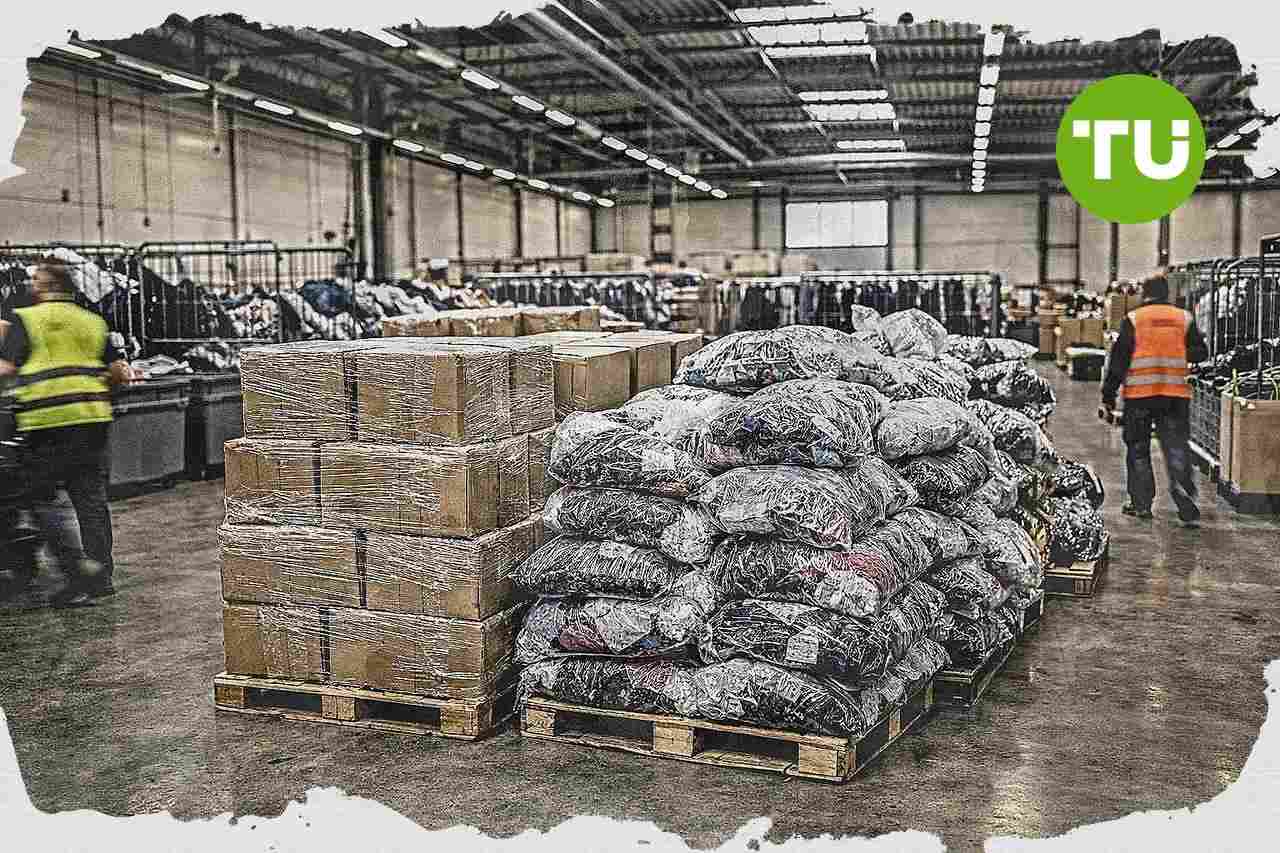
European fashion and luxury companies are entering a stricter operating environment as a ban on destroying unsold clothing and footwear takes effect in the EU this week. The change is especially significant for high-end brands because it limits a long-used way of protecting scarcity, pricing power and brand positioning.
Highlights
- LVMH, Prada, Chanel, and Inditex face an EU ban from July 19 on incinerating or landfilling unsold apparel, forcing inventory strategy shifts.
- Between 4 and 9 per cent of textiles in Europe—or 264,000 to 594,000 tonnes annually—are destroyed before use, pressuring luxury margins as more stock moves to discounts and resale channels.
- As much as 40 per cent of luxury goods were sold at a discount in 2025, and firms are accelerating AI adoption to improve inventory management amid higher inventory costs and regulatory constraints.
Ban reshapes stock management from July 19
As reported by Financial Times, large groups including LVMH, Prada, Chanel and Inditex are banned in the EU from July 19 from incinerating or sending unsold clothes, accessories and footwear to landfill, including items returned by customers.The measure was approved in 2024 as part of a broader push to curb overproduction, cut waste and keep materials in circulation for longer. Destruction remains allowed only in limited cases, including health or safety risks, counterfeit goods or products that are irreparably damaged.
The new framework pushes brands toward donation, repair and reuse, but it also forces difficult trade-offs over excess stock. Companies may have to carry higher inventory costs, expand carefully managed discount channels or reduce production volumes in the first place.
A court case this week also highlights how sensitive the issue is for the luxury sector, revealing that Chanel routinely destroyed thousands of unsold products in Hong Kong as part of its inventory strategy. Chanel tells the FT that the figures cited in court do not reflect its current global practices, and says products that cannot be sold are now handled through L’Atelier des Matières, the recycling business it founded in 2019 to recover materials for circular supply chains.
Luxury margins and resale channels under pressure
Industry data suggests the operational impact could be significant across the sector. Between 4 per cent and 9 per cent of textile products offered for sale in Europe, equivalent to about 264,000 to 594,000 tonnes a year, are destroyed before use, according to the European Environment Agency, although no public breakdown shows how much comes from luxury groups versus fast-fashion brands.Analysts and executives say the pressure is likely to fall more heavily on luxury houses, which depend on tightly controlled distribution and scarcity to protect brand value. Moving more unsold products into outlets, donation networks or secondary markets risks deeper discounting and more grey-market sales, while repair, storage and material recovery can add costs.
As much as 40 per cent of luxury goods were sold at a discount in 2025, according to Bain and Italian industry association Altagamma, as weaker demand and excess inventory increased reliance on outlets and markdowns. There are also questions over whether brands may try to work around the rules if goods sold to overseas distributors are later destroyed outside the EU.
Luca Solca at Bernstein says the rules will force even closer attention to planning and inventory management, while adding that apparel brands will still inevitably be left with some end-of-season stock. He says companies are likely to put greater effort into managing off-price sales in ways that preserve quality, a shift that could benefit operators such as UK-based Value Retail, which runs The Bicester Collection.
Executives and analysts also say the rules could speed up the use of artificial intelligence to track inventories in real time, forecast demand and better coordinate stock across stores and warehouses. Giulia Iuticone, a Milan-based partner at Heidrick & Struggles, says the change will redefine decision-making because, if unsold stock can no longer act as a safety valve, planning quality becomes a competitive advantage.
In our earlier coverage of the rotation within the AI trade and heightened market risks, we noted that investors were shifting capital away from parts of the semiconductor complex toward hyperscalers and select cybersecurity and hardware names. We also highlighted how cooling U.S. inflation data, early bank-earnings signals, and renewed geopolitical tensions—alongside higher oil prices—were adding volatility and increasing the fragility of market sentiment.


Latest Iberdrola News





-
 Afghanistan
-
 Albania
-
 Algeria
-
 Angola
-
 Argentina
-
 Armenia
-
 Australia
-
 Austria
-
 Azerbaijan
-
 Bahamas
-
 Bahrain
-
 Bangladesh
-
 Belarus
-
 Belgium
-
 Bolivia
-
 Botswana
-
 Brazil
-
 Brunei
-
 Bulgaria
-
 Cambodia
-
 Cameroon
-
 Canada
-
 Chile
Chile
-
 China
China
-
 Colombia
-
 Congo
Congo
-
 Costa Rica
-
 Cote d'Ivoire
-
 Croatia
-
 Cuba
Cuba
-
 Cyprus
-
 Czechia
-
 DR Congo
-
 Denmark
-
 Dominican Republic
-
 Ecuador
-
 Egypt
Egypt
-
 El Salvador
-
 Estonia
-
 Eswatini
-
 Ethiopia
-
 Finland
-
 France
-
 Georgia
-
 Germany
-
 Ghana
Ghana
-
 Greece
-
 Haiti
Haiti
-
 Hong Kong
-
 Hungary
-
 India
India
-
 Indonesia
-
 Iran, Islamic republic
-
 Iraq
Iraq
-
 Ireland
-
 Israel
-
 Italy
Italy
-
 Jamaica
-
 Japan
Japan
-
 Jordan
-
 Kazakhstan
-
 Kenya
Kenya
-
 Korea
Korea
-
 Kuwait
-
 Kyrgyzstan
-
 Laos
Laos
-
 Latvia
-
 Lebanon
-
 Lesotho
-
 Libya
Libya
-
 Lithuania
-
 Luxembourg
-
 Madagascar
-
 Malaysia
-
 Malta
Malta
-
 Mauritius
-
 Mexico
-
 Moldova
-
 Mongolia
-
 Montenegro
-
 Morocco
-
 Mozambique
-
 Myanmar
-
 Namibia
-
 Nepal
Nepal
-
 Netherlands
-
 New Zealand
-
 Nigeria
-
 North Macedonia
-
 Norway
-
 Oman
Oman
-
 Pakistan
-
 Palestine
-
 Panama
-
 Papua New Guinea
-
 Paraguay
-
 Peru
Peru
-
 Philippines
-
 Poland
-
 Portugal
-
 Puerto Rico
-
 Qatar
Qatar
-
 Reunion
-
 Romania
-
 Rwanda
-
 Saudi Arabia
-
 Serbia
-
 Singapore
-
 Slovakia
-
 Slovenia
-
 Somalia
-
 South Africa
-
 Spain
Spain
-
 Sri Lanka
-
 Sweden
-
 Switzerland
-
 Syria
Syria
-
 Taiwan
-
 Tajikistan
-
 Tanzania
-
 Thailand
-
 Trinidad and Tobago
-
 Tunisia
-
 Turkey
-
 UAE
UAE
-
 Uganda
-
 Ukraine
-
 United Kingdom
-
United States
-
 Uruguay
-
 Uzbekistan
-
 Venezuela
-
 Vietnam
-
 Yemen
Yemen
-
 Zambia
-
 Zimbabwe
- Forex
- Crypto











