

Japan-U.S. nuclear funding talks stall over liability in $40bn reactor deal
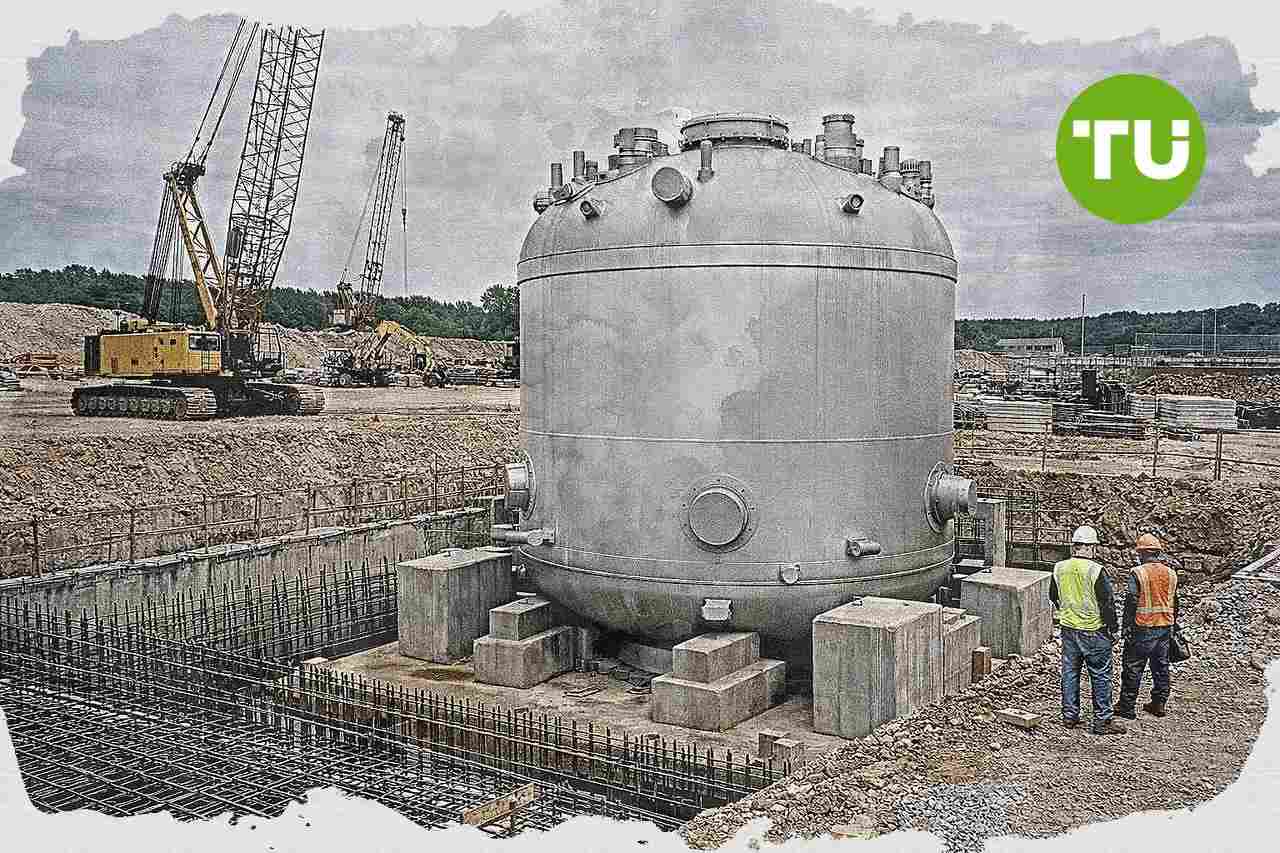
Tokyo’s plan to support a $40bn small modular reactor program in the U.S. is running into legal and regulatory friction as Japanese lenders seek protection from accident-related liability. The dispute affects a flagship part of Japan’s broader $550bn U.S. investment commitment, which is tied to lower tariffs on Japanese exports.
Highlights
- Japan-U.S. talks on funding next-generation small modular reactors in Tennessee and Alabama remain stalled over unresolved legal liability concerns for nuclear accidents.
- Japan's overall $550bn investment pledge in the U.S. faces delays, with reactor financing withheld until liability terms are formalized, affecting related $33bn natural gas projects.
- Upcoming project rounds before U.S. midterm elections may involve staged funding with up to four annual capital calls and participation from Citi, Morgan Stanley, and Nexi-backed guarantees.
Liability dispute clouds reactor financing
As first reported by the Financial Times, Japanese and U.S. officials are still negotiating the terms of Japan’s funding and industrial support for next-generation small modular reactors planned in Tennessee and Alabama after Prime Minister Sanae Takaichi agreed to the framework during a March visit to Washington.People familiar with the discussions say the main obstacle is concern in Tokyo that institutions such as the state-backed Japan Bank for International Cooperation could be exposed if a nuclear accident occurs on U.S. soil. The U.S. commerce department has given verbal assurances that Japanese funders would not bear such liability, and a person close to commerce secretary Howard Lutnick says he has personally conveyed that message to Japan.
The issue remains unresolved because those assurances have not been formalized in legally binding written terms. Under Japan’s system, nuclear plant operators carry liability for accidents, while in the U.S. financial responsibility can extend across a broader set of parties, including plant owners.
The commerce department says Japan would have no liability because it is financing the projects rather than operating them. It also says the reactors would be built on U.S. federal land and owned entirely by the U.S. government, while another commerce official says lawyers provided Japanese officials with a written presentation on July 15 explaining that structure.
A person involved in the talks on the Japanese side says Tokyo still does not see how it is legally excluded from potential liability. The sensitivity is heightened by Japan’s experience after the 2011 Fukushima meltdown, with decommissioning and compensation costs estimated at 23.4 trillion yen, or $144bn.
Broader investment pledge faces timing pressure
The reactor negotiations are part of Tokyo’s pledge to invest $550bn in the U.S. in exchange for lower tariffs under Donald Trump’s trade regime. Officials say the nuclear project is one of several cases where implementation details, funding triggers and commercial terms remain unclear.Alongside the reactor plans, Takaichi in March unveiled $33bn for two natural gas power facilities, though officials say the standard 45-day deadline for Japanese state-backed banks to provide financing was not triggered at that time. In recent weeks, the U.S. commerce department has made a funding request for the gas-fired projects, while Japanese negotiators are insisting the nuclear liability question be settled before any capital call for the reactor program.
Officials also say Japanese industrial groups have been reluctant to lead some U.S.-proposed projects, adding to delays. No western commercial SMRs are yet in operation, which adds further uncertainty around execution and safety for the Tennessee and Alabama developments.
Pressure is building for a third round of projects before U.S. midterm elections in November, with proposals including a semiconductor plant and an oil and gas export terminal. Japanese officials are also negotiating staged funding, allowing up to four capital calls a year instead of providing the full amount upfront, and financing for the second round is likely to include U.S. banks such as Citi and Morgan Stanley backed by guarantees from Japan’s export credit agency Nexi.
Skyvest Renewables LLC’s $150 million financing package for West Coast solar expansion highlighted how credit terms can underpin a developer’s buildout plans. Our earlier coverage noted that the facilities—rated 'BB-' with a stable outlook—were designed to fund new solar plants and strengthen operating capacity, offering a benchmark for lenders and investors as renewables projects scale.






Latest Tariffs News




-
 Afghanistan
-
 Albania
-
 Algeria
-
 Angola
-
 Argentina
-
 Armenia
-
 Australia
-
 Austria
-
 Azerbaijan
-
 Bahamas
-
 Bahrain
-
 Bangladesh
-
 Belarus
-
 Belgium
-
 Bolivia
-
 Botswana
-
 Brazil
-
 Brunei
-
 Bulgaria
-
 Cambodia
-
 Cameroon
-
 Canada
-
 Chile
-
 China
-
 Colombia
-
 Congo
-
 Costa Rica
-
 Cote d'Ivoire
-
 Croatia
-
 Cuba
-
 Cyprus
-
 Czechia
-
 DR Congo
-
 Denmark
-
 Dominican Republic
-
 Ecuador
-
 Egypt
-
 El Salvador
-
 Estonia
-
 Eswatini
-
 Ethiopia
-
 Finland
-
 France
-
 Georgia
-
 Germany
-
 Ghana
-
 Greece
-
 Haiti
-
 Hong Kong
-
 Hungary
-
 India
-
 Indonesia
-
 Iran, Islamic republic
-
 Iraq
-
 Ireland
-
 Israel
-
 Italy
-
 Jamaica
-
 Japan
-
 Jordan
-
 Kazakhstan
-
 Kenya
-
 Korea
-
 Kuwait
-
 Kyrgyzstan
-
 Laos
-
 Latvia
-
 Lebanon
-
 Lesotho
-
 Libya
-
 Lithuania
-
 Luxembourg
-
 Madagascar
-
 Malaysia
-
 Malta
-
 Mauritius
-
 Mexico
-
 Moldova
-
 Mongolia
-
 Montenegro
-
 Morocco
-
 Mozambique
-
 Myanmar
-
 Namibia
-
 Nepal
-
 Netherlands
-
 New Zealand
-
 Nigeria
-
 North Macedonia
-
 Norway
-
 Oman
-
 Pakistan
-
 Palestine
-
 Panama
-
 Papua New Guinea
-
 Paraguay
-
 Peru
-
 Philippines
-
 Poland
-
 Portugal
-
 Puerto Rico
-
 Qatar
-
 Reunion
-
 Romania
-
 Rwanda
-
 Saudi Arabia
-
 Serbia
-
 Singapore
-
 Slovakia
-
 Slovenia
-
 Somalia
-
 South Africa
-
 Spain
-
 Sri Lanka
-
 Sweden
-
 Switzerland
-
 Syria
-
 Taiwan
-
 Tajikistan
-
 Tanzania
-
 Thailand
-
 Trinidad and Tobago
-
 Tunisia
-
 Turkey
-
 UAE
-
 Uganda
-
 Ukraine
-
 United Kingdom
-
United States
-
 Uruguay
-
 Uzbekistan
-
 Venezuela
-
 Vietnam
-
 Yemen
-
 Zambia
-
 Zimbabwe
- Forex
- Crypto












