

SB Energy IPO tests data centre construction risks amid AI infrastructure boom

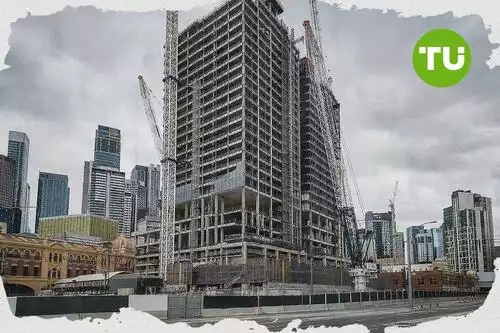
Surging spending on AI-linked data centres is raising questions over whether the sector can avoid the delays and cost overruns that often plague large infrastructure projects. SB Energy's planned New York listing puts those risks into focus as the SoftBank-backed builder pitches a development pipeline tied to long-term customer contracts.
Highlights
- SB Energy is pitching its IPO to investors with decade-long contracts with OpenAI and SoftBank, emphasizing limited exposure to chip and server price volatility.
- The company seeks an enterprise valuation of about $50 billion, nearly 400 times projected full-year 2026 EBITDA, amid significant construction timing and permitting risks.
- A Gallup poll shows 71% of respondents oppose large local data centre projects, highlighting potential political and permitting headwinds despite strong AI infrastructure demand.
IPO pitch centers on execution and timing
As reported by Financial Times, SB Energy is seeking to attract investors with a portfolio that includes Ohio's large PORTS-Pike project while arguing its model limits exposure to volatile chip and server prices. The company supplies buildings and systems rather than the computing hardware itself, and OpenAI and SoftBank have signed contracts that extend for more than a decade.That approach still leaves the company heavily exposed to the basic challenge of delivering large projects on schedule and within budget. The article notes that shortages of materials, planning delays, scarce labour and limited access to power can all disrupt construction, while grid interconnection approvals can take from two to 10 years depending on the state.
SB plans to place most of its data centres alongside new power plants, a strategy that may ease electricity access but also adds another layer of construction and permitting complexity. Although the company has filed for more interconnections than it needs and says an acquired consultancy arm has completed 15 data centres, it has not built one itself and acknowledges growing public resistance to AI as an ongoing risk in its filings.
Valuation and market sentiment sharpen the stakes
The commercial structure of SB's projects may also increase financial pressure if construction slips. With tenants already lined up, delays could trigger forced discounts and cash flow strains, and in some cases customers may be able to buy delayed projects outright, potentially at a low price.Those risks are arriving as investor expectations appear aggressive. The article says SB is reportedly seeking an enterprise valuation of about $50 billion, or roughly 400 times full-year EBITDA based on earnings from the first six months of 2026, while OpenAI holds warrants that pay out if the company's equity valuation reaches $80 billion.
Broader public sentiment adds to the uncertainty for U.S. developers. A recent Gallup poll cited in the article shows 71% of respondents somewhat or strongly oppose local construction of large data centres, underscoring the political and permitting challenges that could weigh on the buildout even if demand for AI infrastructure remains strong.
Vertiv’s upgraded 2026 outlook highlighted how surging data center spending is lifting demand for power and cooling equipment, even as supply-chain disruptions temporarily shifted some sales into the second half. Our earlier article noted that the next key test for investors would be whether delayed orders convert as expected and whether the company can deliver on its raised guidance without further slippage.






Latest Company News News




-
 Afghanistan
-
 Albania
-
 Algeria
-
 Angola
-
 Argentina
-
 Armenia
-
 Australia
-
 Austria
-
 Azerbaijan
-
 Bahamas
-
 Bahrain
-
 Bangladesh
-
 Belarus
-
 Belgium
-
 Bolivia
-
 Botswana
-
 Brazil
-
 Brunei
-
 Bulgaria
-
 Cambodia
-
 Cameroon
-
 Canada
-
 Chile
-
 China
-
 Colombia
-
 Congo
-
 Costa Rica
-
 Cote d'Ivoire
-
 Croatia
-
 Cuba
-
 Cyprus
-
 Czechia
-
 DR Congo
-
 Denmark
-
 Dominican Republic
-
 Ecuador
-
 Egypt
-
 El Salvador
-
 Estonia
-
 Eswatini
-
 Ethiopia
-
 Finland
-
 France
-
 Georgia
-
 Germany
-
 Ghana
-
 Greece
-
 Haiti
-
 Hong Kong
-
 Hungary
-
 India
-
 Indonesia
-
 Iran, Islamic republic
-
 Iraq
-
 Ireland
-
 Israel
-
 Italy
-
 Jamaica
-
 Japan
-
 Jordan
-
 Kazakhstan
-
 Kenya
-
 Korea
-
 Kuwait
-
 Kyrgyzstan
-
 Laos
-
 Latvia
-
 Lebanon
-
 Lesotho
-
 Libya
-
 Lithuania
-
 Luxembourg
-
 Madagascar
-
 Malaysia
-
 Malta
-
 Mauritius
-
 Mexico
-
 Moldova
-
 Mongolia
-
 Montenegro
-
 Morocco
-
 Mozambique
-
 Myanmar
-
 Namibia
-
 Nepal
-
 Netherlands
-
 New Zealand
-
 Nigeria
-
 North Macedonia
-
 Norway
-
 Oman
-
 Pakistan
-
 Palestine
-
 Panama
-
 Papua New Guinea
-
 Paraguay
-
 Peru
-
 Philippines
-
 Poland
-
 Portugal
-
 Puerto Rico
-
 Qatar
-
 Reunion
-
 Romania
-
 Rwanda
-
 Saudi Arabia
-
 Serbia
-
 Singapore
-
 Slovakia
-
 Slovenia
-
 Somalia
-
 South Africa
-
 Spain
-
 Sri Lanka
-
 Sweden
-
 Switzerland
-
 Syria
-
 Taiwan
-
 Tajikistan
-
 Tanzania
-
 Thailand
-
 Trinidad and Tobago
-
 Tunisia
-
 Turkey
-
 UAE
-
 Uganda
-
 Ukraine
-
 United Kingdom
-
United States
-
 Uruguay
-
 Uzbekistan
-
 Venezuela
-
 Vietnam
-
 Yemen
-
 Zambia
-
 Zimbabwe
- Forex
- Crypto












