

EU sanctions rollback draws backlash across bloc

European Union governments are facing widening criticism after the bloc agrees to lift sanctions on two Russian billionaires while renewing wider Russia measures. The decision is raising concerns inside the 27-member bloc and in Ukraine that political pressure could weaken a central part of the sanctions regime.
Highlights
- EU ends asset freezes and travel bans on Alisher Usmanov and Mikhail Fridman after French pressure, despite strong objections from Ukraine and Baltic states.
- France's push for Usmanov led Luxembourg to seek similar treatment for Fridman, who has a $16-billion claim against Luxembourg over asset freezes.
- EU renews sanctions on about 3,000 Russian-linked individuals and entities for three years, aiming to deter future pressure campaigns and reinforce bloc unity.
Sanctions decision and diplomatic pressure
As reported by Reuters, the EU agrees on Tuesday to end asset freezes and travel bans on Russian-Uzbek metals tycoon Alisher Usmanov and on Mikhail Fridman, after pressure from France and despite objections from Ukraine.Diplomats say France privately tells partners that Azerbaijan is using Usmanov's sanctions case to pressure Paris over two French citizens held there. Azerbaijani President Ilham Aliyev on Wednesday pardons a French national jailed for espionage, a move Paris describes as a humanitarian gesture.
France's push on Usmanov prompts Luxembourg to seek the same treatment for Fridman, who has launched a $16-billion claim against Luxembourg over the freezing of his assets. Other governments say they have little choice but to accept France's demand, which Paris links to national security, in exchange for renewing Russia-related sanctions on about 3,000 other people and organisations for the next three years.
Political fallout for the EU sanctions regime
Several diplomats say the long renewal period is intended to reduce the chance of similar pressure campaigns in the near term, because France is able to press its case partly as the sanctions are close to expiring. Within the EU, some of the strongest criticism comes from the Baltic states, with Latvia initially blocking the move before agreeing to abstain.Estonian Foreign Minister Margus Tsahkna says the decision sends a very bad signal at a wrong time, when Russia is putting more pressure on Ukraine. Vladyslav Vlasiuk, Ukrainian President Volodymyr Zelenskiy's commissioner for sanctions policy, says he is shocked by the move, although he welcomes the three-year rollover of the broader measures.
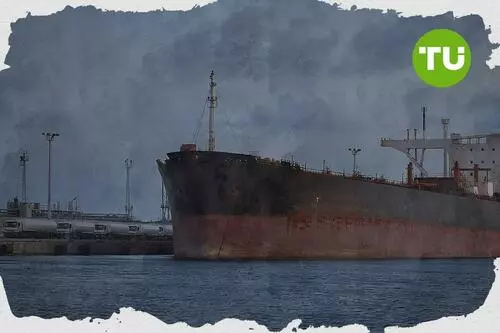
At a Brussels press briefing on Wednesday, EU foreign policy spokesperson Christian Wigand stresses the renewal decision and says the bloc continues to prepare additional sanctions. He says the EU wants to increase pressure on Russia's military-industrial complex and its shadow fleet of tankers shipping oil and gas, while some diplomats argue swift approval of new measures is needed to show the bloc remains committed.
Our earlier report on Canada’s new sanctions on Iranian individuals and entities detailed how Ottawa expanded its listings to target groups and officials tied to internet restrictions and information controls. It explained that the measures were framed as pressure over alleged human rights violations, citing repeated nationwide connectivity disruptions during major protest waves.






Latest Sanctions News




-
 Afghanistan
-
 Albania
-
 Algeria
-
 Angola
-
 Argentina
-
 Armenia
-
 Australia
-
 Austria
-
 Azerbaijan
-
 Bahamas
-
 Bahrain
-
 Bangladesh
-
 Belarus
-
 Belgium
-
 Bolivia
-
 Botswana
-
 Brazil
-
 Brunei
-
 Bulgaria
-
 Cambodia
-
 Cameroon
-
 Canada
-
 Chile
-
 China
-
 Colombia
-
 Congo
-
 Costa Rica
-
 Cote d'Ivoire
-
 Croatia
-
 Cuba
-
 Cyprus
-
 Czechia
-
 DR Congo
-
 Denmark
-
 Dominican Republic
-
 Ecuador
-
 Egypt
-
 El Salvador
-
 Estonia
-
 Eswatini
-
 Ethiopia
-
 Finland
-
 France
-
 Georgia
-
 Germany
-
 Ghana
-
 Greece
-
 Haiti
-
 Hong Kong
-
 Hungary
-
 India
-
 Indonesia
-
 Iran, Islamic republic
-
 Iraq
-
 Ireland
-
 Israel
-
 Italy
-
 Jamaica
-
 Japan
-
 Jordan
-
 Kazakhstan
-
 Kenya
-
 Korea
-
 Kuwait
-
 Kyrgyzstan
-
 Laos
-
 Latvia
-
 Lebanon
-
 Lesotho
-
 Libya
-
 Lithuania
-
 Luxembourg
-
 Madagascar
-
 Malaysia
-
 Malta
-
 Mauritius
-
 Mexico
-
 Moldova
-
 Mongolia
-
 Montenegro
-
 Morocco
-
 Mozambique
-
 Myanmar
-
 Namibia
-
 Nepal
-
 Netherlands
-
 New Zealand
-
 Nigeria
-
 North Macedonia
-
 Norway
-
 Oman
-
 Pakistan
-
 Palestine
-
 Panama
-
 Papua New Guinea
-
 Paraguay
-
 Peru
-
 Philippines
-
 Poland
-
 Portugal
-
 Puerto Rico
-
 Qatar
-
 Reunion
-
 Romania
-
 Rwanda
-
 Saudi Arabia
-
 Serbia
-
 Singapore
-
 Slovakia
-
 Slovenia
-
 Somalia
-
 South Africa
-
 Spain
-
 Sri Lanka
-
 Sweden
-
 Switzerland
-
 Syria
-
 Taiwan
-
 Tajikistan
-
 Tanzania
-
 Thailand
-
 Trinidad and Tobago
-
 Tunisia
-
 Turkey
-
 UAE
-
 Uganda
-
 Ukraine
-
 United Kingdom
-
United States
-
 Uruguay
-
 Uzbekistan
-
 Venezuela
-
 Vietnam
-
 Yemen
-
 Zambia
-
 Zimbabwe
- Forex
- Crypto












