

Trump presses Iran for immediate Hormuz deal as shipping risks persist

U.S. President Donald Trump has intensified pressure on Iran to reach an agreement over the Strait of Hormuz, warning that diplomacy has only a short window before Washington considers renewed military action. The latest developments come as commercial shipping through one of the world's most important energy corridors remains severely disrupted and global oil markets continue to price in geopolitical risk.
Highlights
- Trump pushes for a rapid Hormuz agreement.
- Shipping activity remains well below normal.
- Oil prices continue to reflect geopolitical risk.
- Diplomacy and security now drive market sentiment.
According to Bloomberg, Trump urged Tehran to finalize an agreement with Oman on reopening the Strait of Hormuz as early as Tuesday after postponing planned military strikes over the weekend. The proposed arrangement centers on restoring safe navigation through the strategic waterway, although Iranian officials continue to reject U.S. demands and insist they retain authority over maritime traffic in the strait.
Shipping disruption keeps energy markets on edge
Despite hopes that diplomacy could reduce tensions, shipping activity remains far below normal levels. Vessel tracking data indicates that only a limited number of ships are moving through the Strait of Hormuz with active transponders, while many tankers continue sailing with tracking systems turned off or choose alternative routes where possible.
The uncertainty has kept pressure on global energy markets. Brent crude recovered to around $85 per barrel after falling sharply earlier in the week when expectations briefly shifted toward a diplomatic breakthrough. Traders remain cautious because any renewed military escalation could once again threaten one of the world's busiest energy transit corridors.
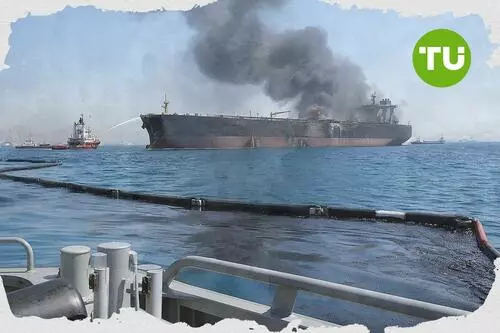
The Strait of Hormuz is a vital gateway for exports of crude oil, liquefied natural gas, and petrochemical products from Gulf producers. Although some cargoes continue moving, insurers, shipowners, and charterers face elevated costs as security risks remain high. Maritime security agencies have also continued reporting incidents involving commercial vessels near the region, reinforcing concerns that normal shipping conditions have yet to return.
Regional tensions remain unresolved
Negotiations remain complicated by fundamental disagreements over control of the waterway. Iran continues to maintain that it has the right to regulate navigation near its coastline, while Washington seeks unrestricted commercial access through the strait.
At the same time, shipping patterns across the broader region continue to evolve. Some large crude carriers have shifted toward routes linked to the Red Sea where possible, while others remain anchored offshore awaiting greater clarity before entering Gulf waters. Market participants are closely monitoring diplomatic contacts alongside military developments, recognizing that either could rapidly change conditions for global energy trade.
Energy markets remain tied to diplomacy
The latest developments highlight how closely financial markets remain linked to geopolitical events in the Middle East. Even limited disruptions around the Strait of Hormuz can affect shipping costs, insurance premiums, and oil prices worldwide because roughly one-fifth of global seaborne oil trade normally passes through the corridor. Until a durable agreement restores confidence in regional shipping, investors are likely to remain highly sensitive to every diplomatic and security development.
Earlier, we reported that oil prices rebound as Middle East uncertainty lingers.










-
 Afghanistan
-
 Albania
-
 Algeria
-
 Angola
-
 Argentina
-
 Armenia
-
 Australia
-
 Austria
-
 Azerbaijan
-
 Bahamas
-
 Bahrain
-
 Bangladesh
-
 Belarus
-
 Belgium
-
 Bolivia
-
 Botswana
-
 Brazil
-
 Brunei
-
 Bulgaria
-
 Cambodia
-
 Cameroon
-
 Canada
-
 Chile
-
 China
-
 Colombia
-
 Congo
-
 Costa Rica
-
 Cote d'Ivoire
-
 Croatia
-
 Cuba
-
 Cyprus
-
 Czechia
-
 DR Congo
-
 Denmark
-
 Dominican Republic
-
 Ecuador
-
 Egypt
-
 El Salvador
-
 Estonia
-
 Eswatini
-
 Ethiopia
-
 Finland
-
 France
-
 Georgia
-
 Germany
-
 Ghana
-
 Greece
-
 Haiti
-
 Hong Kong
-
 Hungary
-
 India
-
 Indonesia
-
 Iran, Islamic republic
-
 Iraq
-
 Ireland
-
 Israel
-
 Italy
-
 Jamaica
-
 Japan
-
 Jordan
-
 Kazakhstan
-
 Kenya
-
 Korea
-
 Kuwait
-
 Kyrgyzstan
-
 Laos
-
 Latvia
-
 Lebanon
-
 Lesotho
-
 Libya
-
 Lithuania
-
 Luxembourg
-
 Madagascar
-
 Malaysia
-
 Malta
-
 Mauritius
-
 Mexico
-
 Moldova
-
 Mongolia
-
 Montenegro
-
 Morocco
-
 Mozambique
-
 Myanmar
-
 Namibia
-
 Nepal
-
 Netherlands
-
 New Zealand
-
 Nigeria
-
 North Macedonia
-
 Norway
-
 Oman
-
 Pakistan
-
 Palestine
-
 Panama
-
 Papua New Guinea
-
 Paraguay
-
 Peru
-
 Philippines
-
 Poland
-
 Portugal
-
 Puerto Rico
-
 Qatar
-
 Reunion
-
 Romania
-
 Rwanda
-
 Saudi Arabia
-
 Serbia
-
 Singapore
-
 Slovakia
-
 Slovenia
-
 Somalia
-
 South Africa
-
 Spain
-
 Sri Lanka
-
 Sweden
-
 Switzerland
-
 Syria
-
 Taiwan
-
 Tajikistan
-
 Tanzania
-
 Thailand
-
 Trinidad and Tobago
-
 Tunisia
-
 Turkey
-
 UAE
-
 Uganda
-
 Ukraine
-
 United Kingdom
-
United States
-
 Uruguay
-
 Uzbekistan
-
 Venezuela
-
 Vietnam
-
 Yemen
-
 Zambia
-
 Zimbabwe
- Forex
- Crypto












