

U.S. invokes Defense Production Act to support oil production and refining

Rising fuel costs linked to geopolitical conflict are pushing the Trump administration to widen its tools for supporting domestic energy supply. The move classifies petroleum production and refining as essential to national defense, potentially unlocking federal financial incentives for fossil fuel projects.
Highlights
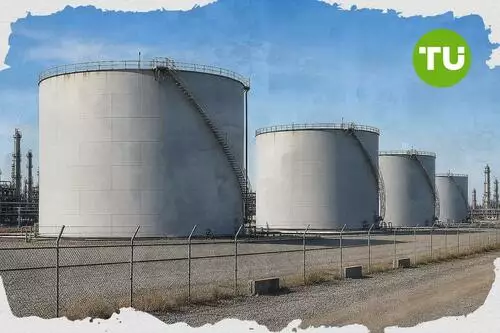
- President Trump invokes the Defense Production Act to provide financial incentives for U.S. oil production, pipelines, and fuel storage, citing defense needs.
- Global crude oil and diesel prices have surged due to U.S.-Israel attacks on Iran and Ukrainian strikes on Russian refineries, heightening energy market pressures.
- The U.S. averages 13.6 million barrels per day of crude in 2025 and allocates $1 billion in DPA funding for energy projects critical to national security.
Defense powers expanded for energy supply
As reported by CNBC, citing Reuters, President Donald Trump says in a presidential memo that petroleum production, refining and related activities are essential to national defense, a step that could open up U.S. funding for fossil fuel projects.The memo also invokes part of the Cold War-era Defense Production Act, allowing financial incentives for oil-related activities, pipelines and liquid fuel storage. It says the U.S. cannot provide enough of those energy services in a timely manner because of constrained financing, long lead times, permitting and infrastructure bottlenecks, and supply chain limitations.
The administration does not identify specific projects that could receive support. Last week, Vice President JD Vance says the administration will use the Defense Production Act to expand capacity at a Texas refinery owned by Delek U.S. Holdings.
Energy market pressure and political stakes
Crude oil and diesel prices have surged since the U.S. and Israel attack Iran in joint action at the end of February. Since then, the conflict has limited energy shipments globally, while Ukrainian attacks on Russian refineries exacerbate fuel shortages.The rise in energy costs creates a political risk for Trump ahead of the Nov. 3 elections, as Republicans try to maintain control of both chambers of Congress. A Reuters/Ipsos opinion poll that closes Monday shows 36% of Americans approve of Trump's handling of the economy.
The U.S. averages about 13.6 million barrels a day of crude production in 2025, making it the world's largest crude producer. Trump also signs legislation last year that includes $1 billion in Defense Production Act funding for energy-related projects deemed critical to national security.
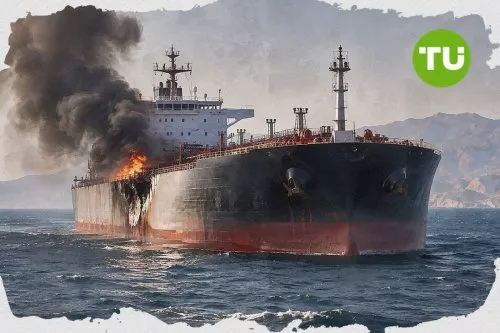
In our earlier article on the surge in crude oil shipping costs, we explained how conflict-related risks on key tanker routes sharply lifted freight and insurance rates, making transport a major component of oil pricing. We also noted that the resulting cost shock can flow through to gasoline and consumer prices, hitting import-dependent markets and squeezing refiners while boosting tanker owners’ earnings.









-
 Afghanistan
-
 Albania
-
 Algeria
-
 Angola
-
 Argentina
-
 Armenia
-
 Australia
-
 Austria
-
 Azerbaijan
-
 Bahamas
-
 Bahrain
-
 Bangladesh
-
 Belarus
-
 Belgium
-
 Bolivia
-
 Botswana
-
 Brazil
-
 Brunei
-
 Bulgaria
-
 Cambodia
-
 Cameroon
-
 Canada
-
 Chile
-
 China
-
 Colombia
-
 Congo
-
 Costa Rica
-
 Cote d'Ivoire
-
 Croatia
-
 Cuba
-
 Cyprus
-
 Czechia
-
 DR Congo
-
 Denmark
-
 Dominican Republic
-
 Ecuador
-
 Egypt
-
 El Salvador
-
 Estonia
-
 Eswatini
-
 Ethiopia
-
 Finland
-
 France
-
 Georgia
-
 Germany
-
 Ghana
-
 Greece
-
 Haiti
-
 Hong Kong
-
 Hungary
-
 India
-
 Indonesia
-
 Iran, Islamic republic
-
 Iraq
-
 Ireland
-
 Israel
-
 Italy
-
 Jamaica
-
 Japan
-
 Jordan
-
 Kazakhstan
-
 Kenya
-
 Korea
-
 Kuwait
-
 Kyrgyzstan
-
 Laos
-
 Latvia
-
 Lebanon
-
 Lesotho
-
 Libya
-
 Lithuania
-
 Luxembourg
-
 Madagascar
-
 Malaysia
-
 Malta
-
 Mauritius
-
 Mexico
-
 Moldova
-
 Mongolia
-
 Montenegro
-
 Morocco
-
 Mozambique
-
 Myanmar
-
 Namibia
-
 Nepal
-
 Netherlands
-
 New Zealand
-
 Nigeria
-
 North Macedonia
-
 Norway
-
 Oman
-
 Pakistan
-
 Palestine
-
 Panama
-
 Papua New Guinea
-
 Paraguay
-
 Peru
-
 Philippines
-
 Poland
-
 Portugal
-
 Puerto Rico
-
 Qatar
-
 Reunion
-
 Romania
-
 Rwanda
-
 Saudi Arabia
-
 Serbia
-
 Singapore
-
 Slovakia
-
 Slovenia
-
 Somalia
-
 South Africa
-
 Spain
-
 Sri Lanka
-
 Sweden
-
 Switzerland
-
 Syria
-
 Taiwan
-
 Tajikistan
-
 Tanzania
-
 Thailand
-
 Trinidad and Tobago
-
 Tunisia
-
 Turkey
-
 UAE
-
 Uganda
-
 Ukraine
-
 United Kingdom
-
United States
-
 Uruguay
-
 Uzbekistan
-
 Venezuela
-
 Vietnam
-
 Yemen
-
 Zambia
-
 Zimbabwe
- Forex
- Crypto












