

OFAC updates Iran sanctions guidance and amends Venezuela bond license

The U.S. Treasury is expanding its sanctions compliance guidance with a new alert focused on Iran's use of false flags to evade restrictions. The Office of Foreign Assets Control also updates Venezuela-related licensing tied to PDVSA's 2020 8.5 percent bond and revises one related FAQ.
Highlights
- OFAC issued an Iran-related alert on 'Iranian Shadow Fleet Reliance on False Flags for Sanctions Evasion' and amended Venezuela General License 5AA.
- The amended license authorizes certain transactions related to the PDVSA 2020 8.5 percent bond on or after December 18, 2026, clarifying post-2026 exposure.
- OFAC updated FAQ 595 and expanded the Specially Designated Nationals and Blocked Persons list, broadening sanctions maintenance actions impacting compliance and market participants.
Sanctions guidance and license changes
As reported by Office of Foreign Assets Control, the agency is publishing an Iran-related alert titled "Iranian Shadow Fleet Reliance on False Flags for Sanctions Evasion" while also issuing Venezuela-related General License 5AA.The amended license authorizes certain transactions related to the Petróleos de Venezuela, S.A. 2020 8.5 percent bond on or after December 18, 2026. OFAC is also issuing an amended Frequently Asked Question, FAQ 595, alongside the broader sanctions update.
Compliance and market implications
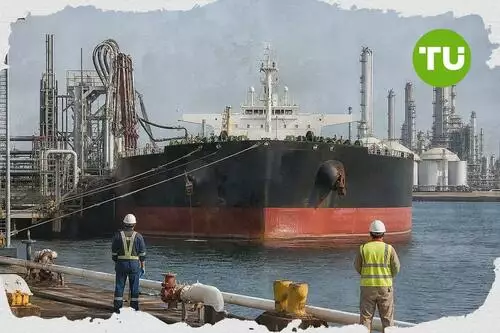
The measures signal continued U.S. scrutiny of shipping and financial practices linked to sanctions evasion, particularly where vessel identity and registration details may be used deceptively. For compliance teams, the alert adds operational guidance as companies monitor maritime exposure, counterparties and documentation risks tied to Iran-related trade.The Venezuela-related license update is also relevant for investors and institutions with exposure to PDVSA-linked instruments, as it clarifies the treatment of certain bond-related transactions after the December 2026 date. In addition, OFAC says it has made further changes to the Specially Designated Nationals and Blocked Persons list, extending the reach of the latest sanctions maintenance actions.
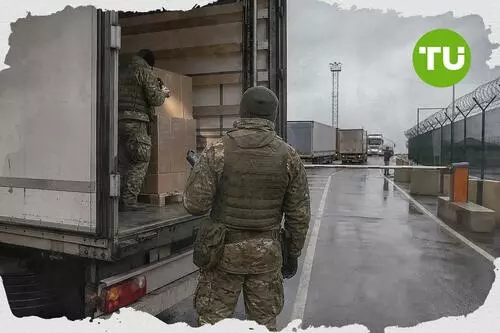
In our earlier article on how wars in Ukraine and the Middle East are reshaping global trade, we highlighted signs that conflict-related disruptions are pushing companies to reroute shipping and redesign supply chains for greater resilience. We also noted forecasts of a sharp contraction in Middle East trade flows and the expectation that some of these costlier workarounds could persist even after tensions ease, reinforcing a more fragmented trade environment.






Latest Sanctions News



-
 Afghanistan
-
 Albania
-
 Algeria
-
 Angola
-
 Argentina
-
 Armenia
-
 Australia
-
 Austria
-
 Azerbaijan
-
 Bahamas
-
 Bahrain
-
 Bangladesh
-
 Belarus
-
 Belgium
-
 Bolivia
-
 Botswana
-
 Brazil
-
 Brunei
-
 Bulgaria
-
 Cambodia
-
 Cameroon
-
 Canada
-
 Chile
-
 China
-
 Colombia
-
 Congo
-
 Costa Rica
-
 Cote d'Ivoire
-
 Croatia
-
 Cuba
-
 Cyprus
-
 Czechia
-
 DR Congo
-
 Denmark
-
 Dominican Republic
-
 Ecuador
-
 Egypt
-
 El Salvador
-
 Estonia
-
 Eswatini
-
 Ethiopia
-
 Finland
-
 France
-
 Georgia
-
 Germany
-
 Ghana
-
 Greece
-
 Haiti
-
 Hong Kong
-
 Hungary
-
 India
-
 Indonesia
-
 Iran, Islamic republic
-
 Iraq
-
 Ireland
-
 Israel
-
 Italy
-
 Jamaica
-
 Japan
-
 Jordan
-
 Kazakhstan
-
 Kenya
-
 Korea
-
 Kuwait
-
 Kyrgyzstan
-
 Laos
-
 Latvia
-
 Lebanon
-
 Lesotho
-
 Libya
-
 Lithuania
-
 Luxembourg
-
 Madagascar
-
 Malaysia
-
 Malta
-
 Mauritius
-
 Mexico
-
 Moldova
-
 Mongolia
-
 Montenegro
-
 Morocco
-
 Mozambique
-
 Myanmar
-
 Namibia
-
 Nepal
-
 Netherlands
-
 New Zealand
-
 Nigeria
-
 North Macedonia
-
 Norway
-
 Oman
-
 Pakistan
-
 Palestine
-
 Panama
-
 Papua New Guinea
-
 Paraguay
-
 Peru
-
 Philippines
-
 Poland
-
 Portugal
-
 Puerto Rico
-
 Qatar
-
 Reunion
-
 Romania
-
 Rwanda
-
 Saudi Arabia
-
 Serbia
-
 Singapore
-
 Slovakia
-
 Slovenia
-
 Somalia
-
 South Africa
-
 Spain
-
 Sri Lanka
-
 Sweden
-
 Switzerland
-
 Syria
-
 Taiwan
-
 Tajikistan
-
 Tanzania
-
 Thailand
-
 Trinidad and Tobago
-
 Tunisia
-
 Turkey
-
 UAE
-
 Uganda
-
 Ukraine
-
 United Kingdom
-
United States
-
 Uruguay
-
 Uzbekistan
-
 Venezuela
-
 Vietnam
-
 Yemen
-
 Zambia
-
 Zimbabwe
- Forex
- Crypto












