

European Commission clears Belgian offshore wind aid scheme

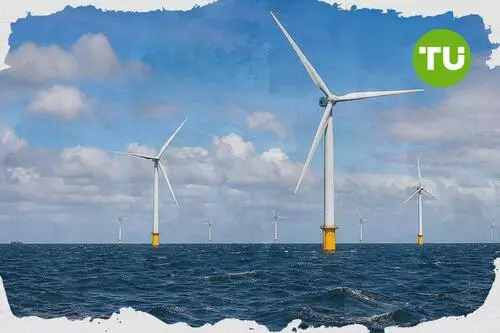
Belgium is set to back the first offshore wind farm in the Princess Elisabeth Zone after securing European Commission approval for a €2.04 billion State aid scheme. The measure runs for 20 years, supports a project of up to 735 MW in the North Sea and aligns with the EU's Clean Industrial Deal objectives.
Highlights
- European Commission approved a Belgian offshore wind aid scheme under the Clean Industrial Deal State Aid Framework adopted 25 June 2025, replacing a previous measure unused before the 31 December 2025 deadline.
- The scheme supports construction and operation of the first Princess Elisabeth offshore Zone wind farm, potentially delivering 735 MW capacity and up to 2.6 TWh annually via a bidding outcome expected in Q4 2027.
- Belgium will allocate aid through a two-way contract for difference based on potential output, incorporating Net Zero Industry Act supply chain criteria to reduce non-European supply dependence.
Approval terms and project structure
As reported by European Commission, the approved Belgian scheme falls under the Clean Industrial Deal State Aid Framework, adopted on 25 June 2025, and replaces an earlier measure cleared in 2024 under the Temporary Crisis and Transition Framework. Aid under that previous scheme was not granted before the legal deadline of 31 December 2025.The new support mechanism is designed for the construction and operation of the first offshore wind farm in the Princess Elisabeth offshore Zone in the North Sea. The project is expected to deliver up to 735 MW of capacity and generate as much as 2.6 TWh of renewable electricity a year.
The aid will be allocated through a transparent and non-discriminatory bidding process, with the outcome expected in the fourth quarter of 2027. Belgium is also incorporating Net Zero Industry Act criteria into the prequalification stage, including supply chain diversification requirements for wind turbines and key components to reduce reliance on imports from outside Europe.
Market design and energy sector impact
The Commission says the scheme complies with sections 3 and 4.1.2 of the CISAF because the aid is structured as direct price support through a capability-based two-way contract for difference awarded via competitive bidding. Compensation will be based on the electricity the wind farm could potentially produce, rather than actual output, a design meant to avoid support payments during periods when the market value of electricity is negative.Brussels concludes that the measure is necessary, appropriate and proportionate to speed the transition to a net-zero economy and support economic activities tied to the Clean Industrial Deal. For Belgium, the approval provides a financing framework for a large North Sea renewable power asset while reinforcing EU goals on industrial resilience, electricity market discipline and lower external supply dependence.
Previously, we outlined the main factors behind Europe policy debate over balancing inflation control, debt burdens, and long-term investment.






Latest EU Sanctions News




-
 Afghanistan
-
 Albania
-
 Algeria
-
 Angola
-
 Argentina
-
 Armenia
-
 Australia
-
 Austria
-
 Azerbaijan
-
 Bahamas
-
 Bahrain
-
 Bangladesh
-
 Belarus
-
 Belgium
-
 Bolivia
-
 Botswana
-
 Brazil
-
 Brunei
-
 Bulgaria
-
 Cambodia
-
 Cameroon
-
 Canada
-
 Chile
-
 China
-
 Colombia
-
 Congo
-
 Costa Rica
-
 Cote d'Ivoire
-
 Croatia
-
 Cuba
-
 Cyprus
-
 Czechia
-
 DR Congo
-
 Denmark
-
 Dominican Republic
-
 Ecuador
-
 Egypt
-
 El Salvador
-
 Estonia
-
 Eswatini
-
 Ethiopia
-
 Finland
-
 France
-
 Georgia
-
 Germany
-
 Ghana
-
 Greece
-
 Haiti
-
 Hong Kong
-
 Hungary
-
 India
-
 Indonesia
-
 Iran, Islamic republic
-
 Iraq
-
 Ireland
-
 Israel
-
 Italy
-
 Jamaica
-
 Japan
-
 Jordan
-
 Kazakhstan
-
 Kenya
-
 Korea
-
 Kuwait
-
 Kyrgyzstan
-
 Laos
-
 Latvia
-
 Lebanon
-
 Lesotho
-
 Libya
-
 Lithuania
-
 Luxembourg
-
 Madagascar
-
 Malaysia
-
 Malta
-
 Mauritius
-
 Mexico
-
 Moldova
-
 Mongolia
-
 Montenegro
-
 Morocco
-
 Mozambique
-
 Myanmar
-
 Namibia
-
 Nepal
-
 Netherlands
-
 New Zealand
-
 Nigeria
-
 North Macedonia
-
 Norway
-
 Oman
-
 Pakistan
-
 Palestine
-
 Panama
-
 Papua New Guinea
-
 Paraguay
-
 Peru
-
 Philippines
-
 Poland
-
 Portugal
-
 Puerto Rico
-
 Qatar
-
 Reunion
-
 Romania
-
 Rwanda
-
 Saudi Arabia
-
 Serbia
-
 Singapore
-
 Slovakia
-
 Slovenia
-
 Somalia
-
 South Africa
-
 Spain
-
 Sri Lanka
-
 Sweden
-
 Switzerland
-
 Syria
-
 Taiwan
-
 Tajikistan
-
 Tanzania
-
 Thailand
-
 Trinidad and Tobago
-
 Tunisia
-
 Turkey
-
 UAE
-
 Uganda
-
 Ukraine
-
 United Kingdom
-
United States
-
 Uruguay
-
 Uzbekistan
-
 Venezuela
-
 Vietnam
-
 Yemen
-
 Zambia
-
 Zimbabwe
- Forex
- Crypto












