

European Commission advances antitrust case against PPC over Greek power pricing

The European Commission is intensifying its antitrust scrutiny of Greece's biggest electricity provider as it examines alleged below-cost sales in the wholesale market. The latest procedural step adds detail on how the Commission assesses whether Public Power Corporation supplied electricity below cost between 2013 and 2019.
Highlights
- PPC received a Supplementary Statement of Objections from the European Commission regarding possible breaches of EU antitrust rules in the Greek wholesale electricity market.
- The investigation focuses on whether PPC sold electricity below cost between 2013 and 2019, potentially excluding competitors and leveraging its control over all lignite and hydropower capacity.
- The Commission's updated document details its assessment methodology, and any eventual ruling could impact competition enforcement for dominant energy suppliers in European markets.
Commission methodology and investigation scope
As reported by European Commission, it has sent a Supplementary Statement of Objections to Public Power Corporation S.A., or PPC, in its ongoing investigation into possible breaches of EU antitrust rules in the Greek wholesale electricity market.The case concerns whether PPC sold electricity below cost between 2013 and 2019, potentially excluding its main competitors during that period. The supplementary filing follows a Statement of Objections issued in February 2024 that set out the Commission's competition concerns.
The Commission says the new document mainly provides further detail on the methodology it is applying to assess the extent to which PPC supplied electricity at prices below cost over the period under review.
Potential market impact in Greece
PPC is the largest supplier of retail and wholesale electricity in Greece and, during the years covered by the investigation, controlled all lignite and hydropower capacity in the country. That market position is central to the Commission's assessment of whether the pricing practices could have distorted competition in the wholesale power market.The Supplementary Statement of Objections does not prejudge the outcome of the case, and PPC now has the opportunity to respond to the Commission's concerns. Any eventual finding could carry implications for competition enforcement in European energy markets, particularly in cases involving dominant suppliers and pricing below cost.
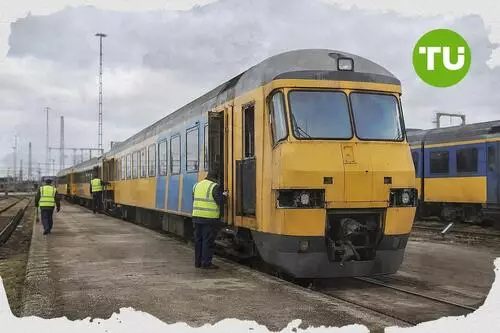
We have also analyzed how the European Commission closed its rail probe after NS introduced a transparent rolling stock policy.






Latest EU Antitrust News




-
 Afghanistan
-
 Albania
-
 Algeria
-
 Angola
-
 Argentina
-
 Armenia
-
 Australia
-
 Austria
-
 Azerbaijan
-
 Bahamas
-
 Bahrain
-
 Bangladesh
-
 Belarus
-
 Belgium
-
 Bolivia
-
 Botswana
-
 Brazil
-
 Brunei
-
 Bulgaria
-
 Cambodia
-
 Cameroon
-
 Canada
-
 Chile
-
 China
-
 Colombia
-
 Congo
-
 Costa Rica
-
 Cote d'Ivoire
-
 Croatia
-
 Cuba
-
 Cyprus
-
 Czechia
-
 DR Congo
-
 Denmark
-
 Dominican Republic
-
 Ecuador
-
 Egypt
-
 El Salvador
-
 Estonia
-
 Eswatini
-
 Ethiopia
-
 Finland
-
 France
-
 Georgia
-
 Germany
-
 Ghana
-
 Greece
-
 Haiti
-
 Hong Kong
-
 Hungary
-
 India
-
 Indonesia
-
 Iran, Islamic republic
-
 Iraq
-
 Ireland
-
 Israel
-
 Italy
-
 Jamaica
-
 Japan
-
 Jordan
-
 Kazakhstan
-
 Kenya
-
 Korea
-
 Kuwait
-
 Kyrgyzstan
-
 Laos
-
 Latvia
-
 Lebanon
-
 Lesotho
-
 Libya
-
 Lithuania
-
 Luxembourg
-
 Madagascar
-
 Malaysia
-
 Malta
-
 Mauritius
-
 Mexico
-
 Moldova
-
 Mongolia
-
 Montenegro
-
 Morocco
-
 Mozambique
-
 Myanmar
-
 Namibia
-
 Nepal
-
 Netherlands
-
 New Zealand
-
 Nigeria
-
 North Macedonia
-
 Norway
-
 Oman
-
 Pakistan
-
 Palestine
-
 Panama
-
 Papua New Guinea
-
 Paraguay
-
 Peru
-
 Philippines
-
 Poland
-
 Portugal
-
 Puerto Rico
-
 Qatar
-
 Reunion
-
 Romania
-
 Rwanda
-
 Saudi Arabia
-
 Serbia
-
 Singapore
-
 Slovakia
-
 Slovenia
-
 Somalia
-
 South Africa
-
 Spain
-
 Sri Lanka
-
 Sweden
-
 Switzerland
-
 Syria
-
 Taiwan
-
 Tajikistan
-
 Tanzania
-
 Thailand
-
 Trinidad and Tobago
-
 Tunisia
-
 Turkey
-
 UAE
-
 Uganda
-
 Ukraine
-
 United Kingdom
-
United States
-
 Uruguay
-
 Uzbekistan
-
 Venezuela
-
 Vietnam
-
 Yemen
-
 Zambia
-
 Zimbabwe
- Forex
- Crypto












