

Bahrain intercepts renewed Iranian attacks as Gulf security risks rise

After months of relative calm, Bahrain is again activating public air-raid warnings as hostilities with Iran spill back into the Gulf. The latest interceptions add pressure to regional energy security and shipping flows around the Strait of Hormuz, where U.S. and Iranian forces remain in a volatile stand-off.
Highlights
- Bahrain intercepted and destroyed several Iranian aerial attacks on Sunday, including six drones targeting the U.S. air-defence radar at Riffa air base.
- Bahraini authorities issued the kingdom's first public threat alert since September after consecutive Iranian drone incidents, signaling escalating regional risk.
- Continued Iran-U.S. confrontations over the Strait of Hormuz and limited diplomatic progress sustain market risks for global energy and commodity shipping.
Renewed attacks and military claims
As reported by Financial Times, citing Bahrain News Agency, Bahrain said its air-defence systems intercepted and destroyed several Iranian aerial attacks on Sunday, marking the first public threat alert in the kingdom since September.The island state, which hosts the U.S. Navy’s Fifth Fleet, also said on Friday that it intercepted two Iranian drones, the first such attack in two months. Bahrain’s Defence Force said in a statement that Iran continues a systematic hostile approach, after authorities earlier urged residents to stay calm and seek shelter when air sirens sounded.
Iran’s Islamic Revolutionary Guard Corps said Sunday’s operation targeted the U.S. air-defence radar facility at Riffa air base in Bahrain, using six drones in what it described as successful precision strikes. Iran’s foreign ministry spokesperson Esmaeil Baghaei also said Tehran would not leave any military aggression by the U.S. or other parties unanswered.
Strait of Hormuz tensions and regional implications
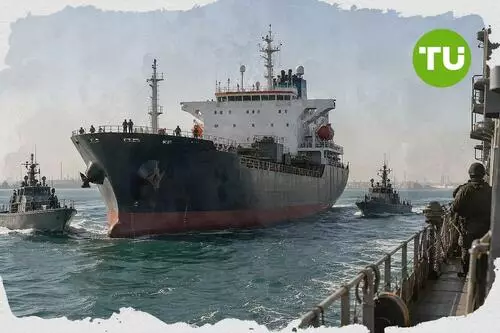
The exchange comes as the U.S. and Iran remain locked in a confrontation over the Strait of Hormuz, a strategic waterway for global energy and commodity shipments. Iran says it must retain control over the strait and has repeatedly attacked shipping in an effort to block what it calls unauthorised traffic, while the U.S. military is escorting vessels to keep supplies moving.U.S. forces earlier this month hit targets on Iran’s Qeshm Island in the Strait of Hormuz, extending a cycle of retaliatory strikes that persists despite an April ceasefire. That truce halted the most intense phase of fighting that began with a U.S.-Israeli attack on Iran on February 28, but efforts led by regional mediators including Qatar to secure a longer-term arrangement are making limited progress.
In Washington, policy signals are also shifting ahead of this month’s U.S. midterm elections. President Donald Trump has alternated between threatening a renewed war and downplaying the need for both military action and a formal agreement, this week saying the U.S. would maintain the status quo.
This adds to earlier discussion around Iran radar strike in Bahrain, amid broader threats to Gulf shipping routes.






Latest Iran war News



-
 Afghanistan
-
 Albania
-
 Algeria
-
 Angola
-
 Argentina
-
 Armenia
-
 Australia
-
 Austria
-
 Azerbaijan
-
 Bahamas
-
 Bahrain
-
 Bangladesh
-
 Belarus
-
 Belgium
-
 Bolivia
-
 Botswana
-
 Brazil
-
 Brunei
-
 Bulgaria
-
 Cambodia
-
 Cameroon
-
 Canada
-
 Chile
-
 China
-
 Colombia
-
 Congo
-
 Costa Rica
-
 Cote d'Ivoire
-
 Croatia
-
 Cuba
-
 Cyprus
-
 Czechia
-
 DR Congo
-
 Denmark
-
 Dominican Republic
-
 Ecuador
-
 Egypt
-
 El Salvador
-
 Estonia
-
 Eswatini
-
 Ethiopia
-
 Finland
-
 France
-
 Georgia
-
 Germany
-
 Ghana
-
 Greece
-
 Haiti
-
 Hong Kong
-
 Hungary
-
 India
-
 Indonesia
-
 Iran, Islamic republic
-
 Iraq
-
 Ireland
-
 Israel
-
 Italy
-
 Jamaica
-
 Japan
-
 Jordan
-
 Kazakhstan
-
 Kenya
-
 Korea
-
 Kuwait
-
 Kyrgyzstan
-
 Laos
-
 Latvia
-
 Lebanon
-
 Lesotho
-
 Libya
-
 Lithuania
-
 Luxembourg
-
 Madagascar
-
 Malaysia
-
 Malta
-
 Mauritius
-
 Mexico
-
 Moldova
-
 Mongolia
-
 Montenegro
-
 Morocco
-
 Mozambique
-
 Myanmar
-
 Namibia
-
 Nepal
-
 Netherlands
-
 New Zealand
-
 Nigeria
-
 North Macedonia
-
 Norway
-
 Oman
-
 Pakistan
-
 Palestine
-
 Panama
-
 Papua New Guinea
-
 Paraguay
-
 Peru
-
 Philippines
-
 Poland
-
 Portugal
-
 Puerto Rico
-
 Qatar
-
 Reunion
-
 Romania
-
 Rwanda
-
 Saudi Arabia
-
 Serbia
-
 Singapore
-
 Slovakia
-
 Slovenia
-
 Somalia
-
 South Africa
-
 Spain
-
 Sri Lanka
-
 Sweden
-
 Switzerland
-
 Syria
-
 Taiwan
-
 Tajikistan
-
 Tanzania
-
 Thailand
-
 Trinidad and Tobago
-
 Tunisia
-
 Turkey
-
 UAE
-
 Uganda
-
 Ukraine
-
 United Kingdom
-
United States
-
 Uruguay
-
 Uzbekistan
-
 Venezuela
-
 Vietnam
-
 Yemen
-
 Zambia
-
 Zimbabwe
- Forex
- Crypto












