

European Commission backs faster grid permitting under EU energy infrastructure reform

The EU is moving to shorten one of the biggest bottlenecks in the clean energy buildout as lawmakers reach a provisional deal on faster permitting for grids and related infrastructure. The agreement forms the first major step in the European Grids Package, which Brussels presents as central to lower energy prices, support competitiveness and reduce dependence on Russian fossil fuels.
Highlights
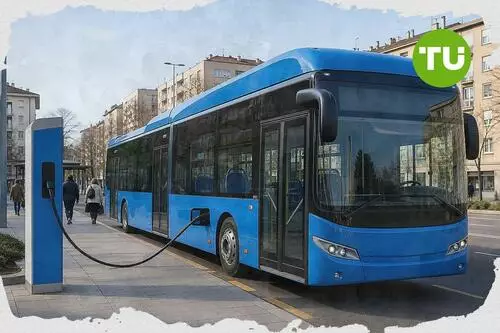
- European Commission supports a political agreement imposing new time limits on permitting procedures for electricity grids, storage, renewables, and recharging stations across the EU.
- Transmission grid projects, which currently average over 10 years to complete with more than half the time spent on permitting, will benefit from digitalized processes and faster upgrades.
- The reform aims to structurally lower energy prices, accelerate clean energy integration, and strengthen energy independence by modernizing grids as part of broader EU energy and industrial policy initiatives.
Permit overhaul targets grid and clean energy delays
As reported by European Commission, the provisional political agreement between the European Parliament and the Council sets new rules to simplify and accelerate permit-granting procedures for electricity grids, storage facilities, renewable energy projects and recharging stations.The Commission says the measure is a key part of the European Grids Package proposed in December 2025 to modernise Europe's energy infrastructure. It says the changes are designed to help integrate more clean energy into the system, structurally lower prices and strengthen energy independence.
Under the agreement, projects related to transmission and distribution grids, stand-alone storage and recharging stations would face permitting time limits for the first time. The text also introduces a general presumption of overriding public interest for those assets, while renewable energy rules would be tightened through fully digitalised permitting processes, the removal of permits for certain small-scale projects and faster upgrades of existing installations.
The Commission says transmission grid projects currently take more than 10 years on average to implement, with more than half of that period spent on permitting. It presents the reform as a response to a major obstacle that has slowed the rollout of energy infrastructure and renewables across the bloc.
Broader energy and investment impact across the bloc
The agreement also addresses public involvement in clean energy projects, with the Commission saying the new rules are meant to ensure local communities and investors both benefit from infrastructure development in their areas.The text still requires formal adoption by the European Parliament and the Council. In parallel, legislative negotiations continue on the second part of the Grids Package, the revised TEN-E Regulation, which focuses on infrastructure planning.
Brussels links the package to its wider energy and industrial agenda, including the One Europe One Market roadmap, the Affordable Energy Action Plan and REPowerEU. The Commission argues that expanding and modernising clean energy infrastructure is necessary to accommodate more renewables, make energy more affordable and secure, and end dependence on Russian fossil fuels.
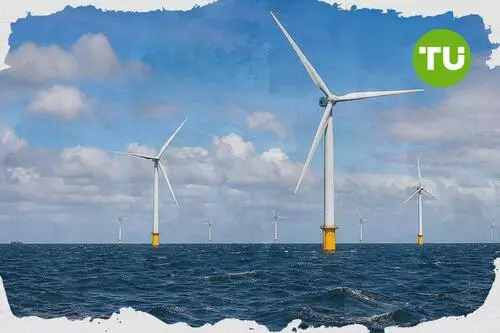
Earlier, we outlined how the Commission approved the Dutch TOWOZ scheme to support new North Sea offshore wind projects.






Latest EU Sanctions News



-
 Afghanistan
-
 Albania
-
 Algeria
-
 Angola
-
 Argentina
-
 Armenia
-
 Australia
-
 Austria
-
 Azerbaijan
-
 Bahamas
-
 Bahrain
-
 Bangladesh
-
 Belarus
-
 Belgium
-
 Bolivia
-
 Botswana
-
 Brazil
-
 Brunei
-
 Bulgaria
-
 Cambodia
-
 Cameroon
-
 Canada
-
 Chile
-
 China
-
 Colombia
-
 Congo
-
 Costa Rica
-
 Cote d'Ivoire
-
 Croatia
-
 Cuba
-
 Cyprus
-
 Czechia
-
 DR Congo
-
 Denmark
-
 Dominican Republic
-
 Ecuador
-
 Egypt
-
 El Salvador
-
 Estonia
-
 Eswatini
-
 Ethiopia
-
 Finland
-
 France
-
 Georgia
-
 Germany
-
 Ghana
-
 Greece
-
 Haiti
-
 Hong Kong
-
 Hungary
-
 India
-
 Indonesia
-
 Iran, Islamic republic
-
 Iraq
-
 Ireland
-
 Israel
-
 Italy
-
 Jamaica
-
 Japan
-
 Jordan
-
 Kazakhstan
-
 Kenya
-
 Korea
-
 Kuwait
-
 Kyrgyzstan
-
 Laos
-
 Latvia
-
 Lebanon
-
 Lesotho
-
 Libya
-
 Lithuania
-
 Luxembourg
-
 Madagascar
-
 Malaysia
-
 Malta
-
 Mauritius
-
 Mexico
-
 Moldova
-
 Mongolia
-
 Montenegro
-
 Morocco
-
 Mozambique
-
 Myanmar
-
 Namibia
-
 Nepal
-
 Netherlands
-
 New Zealand
-
 Nigeria
-
 North Macedonia
-
 Norway
-
 Oman
-
 Pakistan
-
 Palestine
-
 Panama
-
 Papua New Guinea
-
 Paraguay
-
 Peru
-
 Philippines
-
 Poland
-
 Portugal
-
 Puerto Rico
-
 Qatar
-
 Reunion
-
 Romania
-
 Rwanda
-
 Saudi Arabia
-
 Serbia
-
 Singapore
-
 Slovakia
-
 Slovenia
-
 Somalia
-
 South Africa
-
 Spain
-
 Sri Lanka
-
 Sweden
-
 Switzerland
-
 Syria
-
 Taiwan
-
 Tajikistan
-
 Tanzania
-
 Thailand
-
 Trinidad and Tobago
-
 Tunisia
-
 Turkey
-
 UAE
-
 Uganda
-
 Ukraine
-
 United Kingdom
-
United States
-
 Uruguay
-
 Uzbekistan
-
 Venezuela
-
 Vietnam
-
 Yemen
-
 Zambia
-
 Zimbabwe
- Forex
- Crypto












