

IIF podcast reviews NATO summit outcomes for transatlantic defense spending
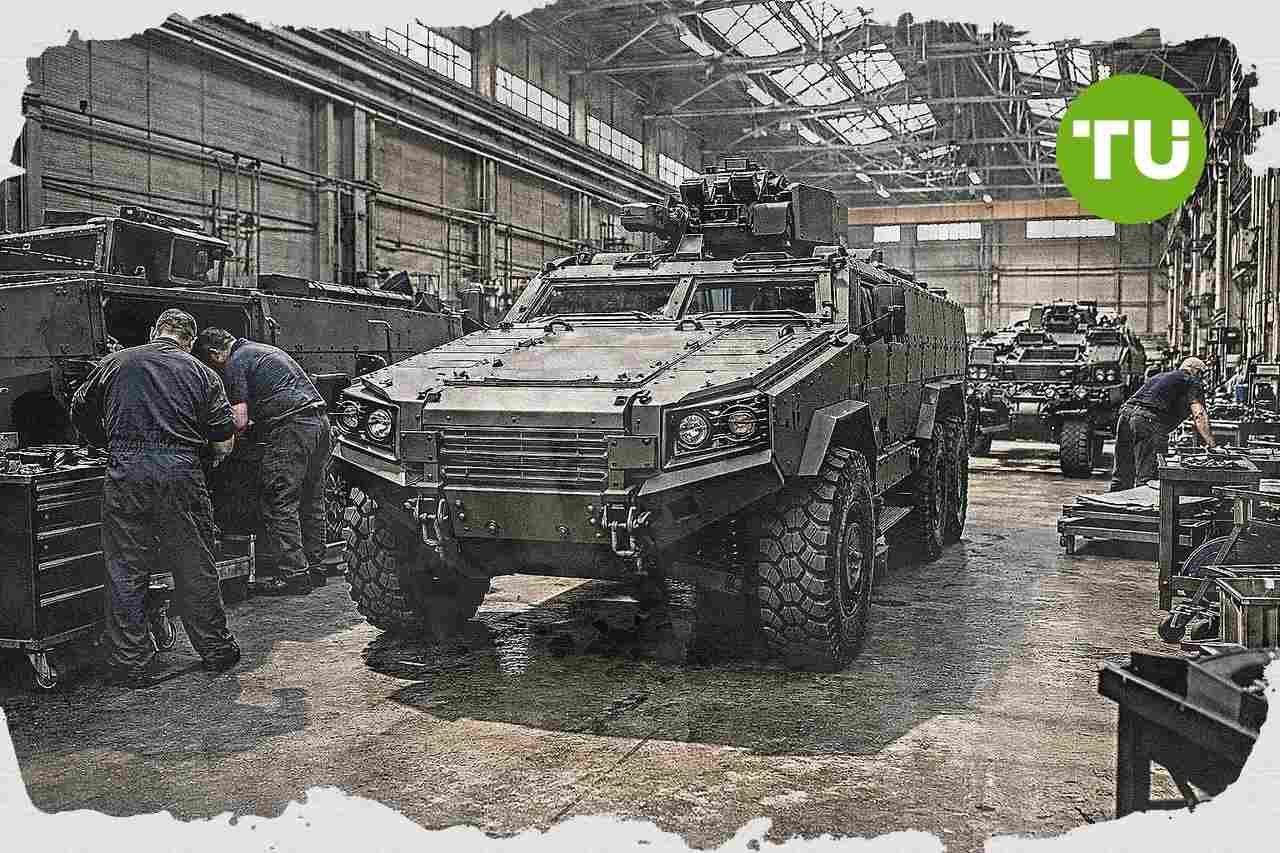
Rising geopolitical tensions are pushing defense policy deeper into the economic and financial agenda across the Atlantic. A new Institute of International Finance discussion examines how the 2026 NATO Summit in Ankara sharpens pressure on European allies, U.S. leadership questions and the funding challenge behind military capability goals.
Highlights
- The latest NATO Summit in Ankara increased pressure on European allies to raise defense spending and focus on converting pledges into actual military capabilities.
- Security demands are increasingly affecting capital allocation and budget priorities, with attention shifting to integrating private capital into defense investment for industrial capacity and readiness.
- Ongoing uncertainty over U.S. leadership and recent lessons from Ukraine and Iran are prompting investors and European governments to navigate a more complex operational and financial landscape for defense industries.
Ankara summit puts spending and funding in focus
As reported by Institute of International Finance, the latest episode of Current Account features Clay Lowery and Dr. Torrey Taussig discussing the outcomes of the recent NATO Summit in Ankara and what they signal for the alliance's next phase.The discussion centers on growing pressure on European allies to raise defense spending and on whether new government pledges are being converted into usable military capabilities. It also examines how security demands are increasingly intersecting with capital allocation, budget priorities and broader financial market considerations.
Private capital and alliance risks shape the outlook
The episode also explores the role of private capital in supporting defense investment as NATO members face a more uncertain security environment. That focus reflects a wider debate over how public commitments can be matched with long-term financing for industrial capacity, procurement and readiness.Lowery and Taussig also address questions around U.S. leadership and commitment to NATO, alongside lessons drawn from the conflicts in Ukraine and Iran. Together, those issues frame a more complex operating environment for European governments, investors and defense-related industries.
In our earlier report on Anduril’s potential $100 billion fundraising talks, we explained how booming demand for drones, autonomous systems and AI-driven defense tools is pushing private-market valuations higher. We also noted that the company was considering a two-stage funding structure after its recent funding round and rapid revenue growth, highlighting how investor capital is increasingly tied to defense-sector expansion.






Latest IIF News




-
 Afghanistan
-
 Albania
-
 Algeria
-
 Angola
-
 Argentina
-
 Armenia
-
 Australia
-
 Austria
-
 Azerbaijan
-
 Bahamas
-
 Bahrain
-
 Bangladesh
-
 Belarus
-
 Belgium
-
 Bolivia
-
 Botswana
-
 Brazil
-
 Brunei
-
 Bulgaria
-
 Cambodia
-
 Cameroon
-
 Canada
-
 Chile
-
 China
-
 Colombia
-
 Congo
-
 Costa Rica
-
 Cote d'Ivoire
-
 Croatia
-
 Cuba
-
 Cyprus
-
 Czechia
-
 DR Congo
-
 Denmark
-
 Dominican Republic
-
 Ecuador
-
 Egypt
-
 El Salvador
-
 Estonia
-
 Eswatini
-
 Ethiopia
-
 Finland
-
 France
-
 Georgia
-
 Germany
-
 Ghana
-
 Greece
-
 Haiti
-
 Hong Kong
-
 Hungary
-
 India
-
 Indonesia
-
 Iran, Islamic republic
-
 Iraq
-
 Ireland
-
 Israel
-
 Italy
-
 Jamaica
-
 Japan
-
 Jordan
-
 Kazakhstan
-
 Kenya
-
 Korea
-
 Kuwait
-
 Kyrgyzstan
-
 Laos
-
 Latvia
-
 Lebanon
-
 Lesotho
-
 Libya
-
 Lithuania
-
 Luxembourg
-
 Madagascar
-
 Malaysia
-
 Malta
-
 Mauritius
-
 Mexico
-
 Moldova
-
 Mongolia
-
 Montenegro
-
 Morocco
-
 Mozambique
-
 Myanmar
-
 Namibia
-
 Nepal
-
 Netherlands
-
 New Zealand
-
 Nigeria
-
 North Macedonia
-
 Norway
-
 Oman
-
 Pakistan
-
 Palestine
-
 Panama
-
 Papua New Guinea
-
 Paraguay
-
 Peru
-
 Philippines
-
 Poland
-
 Portugal
-
 Puerto Rico
-
 Qatar
-
 Reunion
-
 Romania
-
 Rwanda
-
 Saudi Arabia
-
 Serbia
-
 Singapore
-
 Slovakia
-
 Slovenia
-
 Somalia
-
 South Africa
-
 Spain
-
 Sri Lanka
-
 Sweden
-
 Switzerland
-
 Syria
-
 Taiwan
-
 Tajikistan
-
 Tanzania
-
 Thailand
-
 Trinidad and Tobago
-
 Tunisia
-
 Turkey
-
 UAE
-
 Uganda
-
 Ukraine
-
 United Kingdom
-
United States
-
 Uruguay
-
 Uzbekistan
-
 Venezuela
-
 Vietnam
-
 Yemen
-
 Zambia
-
 Zimbabwe
- Forex
- Crypto












