

IIF meeting highlights rising finance and geopolitical risks in Bangkok

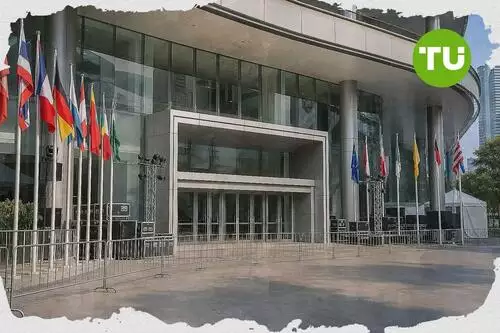
Global policymakers and finance executives are focusing on a broader mix of technological, fiscal and security-related pressures emerging from meetings in Bangkok. Discussions at the 2026 IIF Annual Membership Meeting and the IMF-World Bank Annual Meetings span AI competition, sovereign debt strains and the growing use of private capital for defense and resilience.
Highlights
- The IIF and IMF-World Bank meetings in Bangkok highlight artificial intelligence as both an opportunity and rising cyber risk for global financial markets.
- Persistently higher bond yields and tighter fiscal conditions in developed economies increase sovereign debt pressures and complicate public financing strategies.
- The discussions point to private capital playing a growing role in funding defense and resilience, urging investors to adapt amid elevated geopolitical uncertainty.
Bangkok meetings spotlight key risk themes
As outlined by the Institute of International Finance, the latest episode of Current Account features Clay Lowery and Brad Carr, Executive for Geopolitical Risk at National Australia Bank, reflecting on the main issues emerging from the 2026 IIF Annual Membership Meeting and the IMF-World Bank Annual Meetings in Bangkok.The discussion centers on how artificial intelligence is becoming both an opportunity and a source of risk for governments, companies and financial markets. It also points to AI-enabled cyber threats as a rising concern as competition over technology intensifies across economies.
Another major theme is the pressure from higher bond yields and tighter fiscal conditions in developed economies. The conversation links those trends to sovereign debt challenges and to a more difficult environment for public finances as borrowing costs remain elevated.
Implications for capital, resilience and business strategy
The exchange also examines the expanding role of private capital in financing defense and broader resilience needs. That shift suggests a wider funding role for investors as governments and businesses respond to a less predictable geopolitical environment.For companies and public institutions, the discussion emphasizes adaptation through stronger supply chains, infrastructure investment and wider economic resilience measures. The overall message from Bangkok is that geopolitical disruption is becoming more closely tied to financial strategy, risk management and long-term capital allocation across sectors.
Our earlier article on rising sovereign borrowing risks explained how sustained geopolitical tensions and elevated fiscal spending are testing government finances as global interest rates and funding costs stay high. It noted that emerging and frontier markets are especially exposed because debt-service burdens often outpace their revenue bases, while shocks such as higher energy and food prices can further strain inflation and credit outlooks.






Latest IIF News




-
 Afghanistan
-
 Albania
-
 Algeria
-
 Angola
-
 Argentina
-
 Armenia
-
 Australia
-
 Austria
-
 Azerbaijan
-
 Bahamas
-
 Bahrain
-
 Bangladesh
-
 Belarus
-
 Belgium
-
 Bolivia
-
 Botswana
-
 Brazil
-
 Brunei
-
 Bulgaria
-
 Cambodia
-
 Cameroon
-
 Canada
-
 Chile
-
 China
-
 Colombia
-
 Congo
-
 Costa Rica
-
 Cote d'Ivoire
-
 Croatia
-
 Cuba
-
 Cyprus
-
 Czechia
-
 DR Congo
-
 Denmark
-
 Dominican Republic
-
 Ecuador
-
 Egypt
-
 El Salvador
-
 Estonia
-
 Eswatini
-
 Ethiopia
-
 Finland
-
 France
-
 Georgia
-
 Germany
-
 Ghana
-
 Greece
-
 Haiti
-
 Hong Kong
-
 Hungary
-
 India
-
 Indonesia
-
 Iran, Islamic republic
-
 Iraq
-
 Ireland
-
 Israel
-
 Italy
-
 Jamaica
-
 Japan
-
 Jordan
-
 Kazakhstan
-
 Kenya
-
 Korea
-
 Kuwait
-
 Kyrgyzstan
-
 Laos
-
 Latvia
-
 Lebanon
-
 Lesotho
-
 Libya
-
 Lithuania
-
 Luxembourg
-
 Madagascar
-
 Malaysia
-
 Malta
-
 Mauritius
-
 Mexico
-
 Moldova
-
 Mongolia
-
 Montenegro
-
 Morocco
-
 Mozambique
-
 Myanmar
-
 Namibia
-
 Nepal
-
 Netherlands
-
 New Zealand
-
 Nigeria
-
 North Macedonia
-
 Norway
-
 Oman
-
 Pakistan
-
 Palestine
-
 Panama
-
 Papua New Guinea
-
 Paraguay
-
 Peru
-
 Philippines
-
 Poland
-
 Portugal
-
 Puerto Rico
-
 Qatar
-
 Reunion
-
 Romania
-
 Rwanda
-
 Saudi Arabia
-
 Serbia
-
 Singapore
-
 Slovakia
-
 Slovenia
-
 Somalia
-
 South Africa
-
 Spain
-
 Sri Lanka
-
 Sweden
-
 Switzerland
-
 Syria
-
 Taiwan
-
 Tajikistan
-
 Tanzania
-
 Thailand
-
 Trinidad and Tobago
-
 Tunisia
-
 Turkey
-
 UAE
-
 Uganda
-
 Ukraine
-
 United Kingdom
-
United States
-
 Uruguay
-
 Uzbekistan
-
 Venezuela
-
 Vietnam
-
 Yemen
-
 Zambia
-
 Zimbabwe
- Forex
- Crypto












