

EBRD, EU expand green finance for Tunisian MSMEs through UBCI loan

Tunisia is receiving fresh financing to help smaller businesses fund renewable energy and climate adaptation projects through the local banking sector. The package combines a €10 million EBRD loan to UBCI with EU grants, technical support and risk-sharing measures aimed at boosting green investment in the private sector.
Highlights
- EBRD provides a €10 million senior unsecured loan to UBCI in Tunisia under its Green Economy Financing Facility, targeting MSME investments in climate adaptation and mitigation.
- EU supports the financing package with €1.25 million in incentive grants for verified green investments and up to €2.2 million in second-loss risk cover to facilitate local-currency lending.
- EBRD reports total investments of €3.3 billion in Tunisia across 101 projects since 2012, with 67 per cent allocated to the private sector.
Loan structure and renewable energy focus
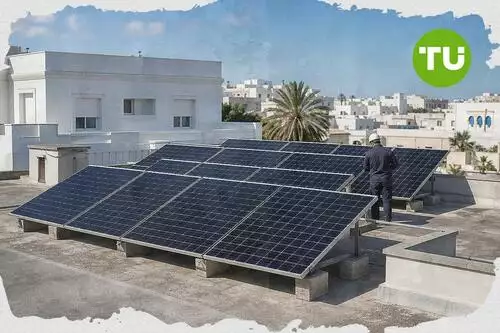
As reported by the European Bank for Reconstruction and Development, the lender is providing a €10 million senior unsecured loan to Union Bancaire pour le Commerce et l’Industrie, or UBCI, in Tunisia under its Green Economy Financing Facility. The financing is the EBRD’s second loan to UBCI through the facility in Tunisia and is intended to help the bank extend funding to micro, small and medium-sized enterprises investing in climate adaptation and mitigation technologies and services.A particular focus is placed on renewable energy projects with installed capacity capped at 5 MW. The package also includes a technical cooperation programme funded by the EBRD and the European Union to support project preparation, implementation, verification and monitoring, alongside training and capacity-building for UBCI staff.
Under the arrangement, the EU is also providing €1.25 million in incentive grants to speed up eligible MSMEs’ adoption of advanced climate technologies. Those grants are disbursed after green investments are completed and verified.
Support for local-currency lending and wider Tunisia ties
The financing package is further reinforced by second-loss risk cover of up to €2.2 million funded by the EU. That mechanism is designed to support TCX in offering foreign exchange hedging to Tunisian banks at preferential pricing, making it easier to lend in Tunisian dinars.The loan agreement is signed during the EBRD’s GEFF programme event in Tunisia, attended by UBCI Chief Executive Mohamed Koubaa and Mike Taylor, the EBRD’s Head of Financial Institutions for the Southern and Eastern Mediterranean. Taylor says the financing deepens the partnership with UBCI and helps Tunisian businesses invest in renewable energy and other climate technologies that can improve competitiveness and resilience.
Giuseppe Perrone, the EU ambassador to Tunisia, says EU grants lower the cost and risk of green investment while EU-funded technical assistance helps Tunisian SMEs develop bankable projects. Koubaa says the new operation strengthens UBCI’s capacity to support sustainable investment and contribute to a more resilient economy.
The broader backdrop is a long-running economic relationship between Tunisia and the EU, which the text describes as the country’s largest investor and trading partner, supporting more than 400,000 jobs through European companies. The EBRD says it has invested €3.3 billion in Tunisia across 101 projects since 2012, with 67 per cent directed to the private sector.






Latest EBRD News



-
 Afghanistan
-
 Albania
-
 Algeria
-
 Angola
-
 Argentina
-
 Armenia
-
 Australia
-
 Austria
-
 Azerbaijan
-
 Bahamas
-
 Bahrain
-
 Bangladesh
-
 Belarus
-
 Belgium
-
 Bolivia
-
 Botswana
-
 Brazil
-
 Brunei
-
 Bulgaria
-
 Cambodia
-
 Cameroon
-
 Canada
-
 Chile
-
 China
-
 Colombia
-
 Congo
-
 Costa Rica
-
 Cote d'Ivoire
-
 Croatia
-
 Cuba
-
 Cyprus
-
 Czechia
-
 DR Congo
-
 Denmark
-
 Dominican Republic
-
 Ecuador
-
 Egypt
-
 El Salvador
-
 Estonia
-
 Eswatini
-
 Ethiopia
-
 Finland
-
 France
-
 Georgia
-
 Germany
-
 Ghana
-
 Greece
-
 Haiti
-
 Hong Kong
-
 Hungary
-
 India
-
 Indonesia
-
 Iran, Islamic republic
-
 Iraq
-
 Ireland
-
 Israel
-
 Italy
-
 Jamaica
-
 Japan
-
 Jordan
-
 Kazakhstan
-
 Kenya
-
 Korea
-
 Kuwait
-
 Kyrgyzstan
-
 Laos
-
 Latvia
-
 Lebanon
-
 Lesotho
-
 Libya
-
 Lithuania
-
 Luxembourg
-
 Madagascar
-
 Malaysia
-
 Malta
-
 Mauritius
-
 Mexico
-
 Moldova
-
 Mongolia
-
 Montenegro
-
 Morocco
-
 Mozambique
-
 Myanmar
-
 Namibia
-
 Nepal
-
 Netherlands
-
 New Zealand
-
 Nigeria
-
 North Macedonia
-
 Norway
-
 Oman
-
 Pakistan
-
 Palestine
-
 Panama
-
 Papua New Guinea
-
 Paraguay
-
 Peru
-
 Philippines
-
 Poland
-
 Portugal
-
 Puerto Rico
-
 Qatar
-
 Reunion
-
 Romania
-
 Rwanda
-
 Saudi Arabia
-
 Serbia
-
 Singapore
-
 Slovakia
-
 Slovenia
-
 Somalia
-
 South Africa
-
 Spain
-
 Sri Lanka
-
 Sweden
-
 Switzerland
-
 Syria
-
 Taiwan
-
 Tajikistan
-
 Tanzania
-
 Thailand
-
 Trinidad and Tobago
-
 Tunisia
-
 Turkey
-
 UAE
-
 Uganda
-
 Ukraine
-
 United Kingdom
-
United States
-
 Uruguay
-
 Uzbekistan
-
 Venezuela
-
 Vietnam
-
 Yemen
-
 Zambia
-
 Zimbabwe
- Forex
- Crypto












