

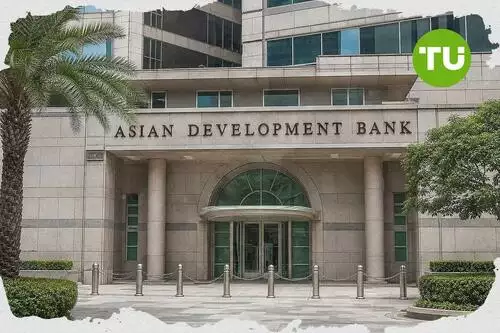
ADB, World Bank Group sign sovereign exposure exchange to expand lending capacity in Asia-Pacific

Multilateral lenders are increasing the use of balance-sheet tools to support development financing without seeking additional shareholder capital. ADB and the World Bank Group have now signed a $2 billion sovereign exposure exchange agreement aimed at reducing portfolio concentration risk and widening support for developing member countries.
Highlights
- Asian Development Bank and World Bank Group signed their second sovereign exposure exchange after the $3 billion transaction in October 2025, enhancing risk-sharing and lending capacity in Asia-Pacific.
- ADB's cumulative program since 2020 now totals seven exchanges worth $11 billion, allowing greater support for developing member countries without additional shareholder capital.
- A charter amendment in 2025 removed ADB's lending limitation, enabling annual financing from its own resources to exceed $36 billion for regional development.
Agreement builds on prior risk-sharing deal
As reported by Asian Development Bank, the new agreement marks the second sovereign exposure exchange between the Asian Development Bank and the World Bank Group, following a $3 billion transaction signed in October 2025.ADB says the arrangement is designed to strengthen its lending capacity and support development across Asia and the Pacific by lowering concentration in sovereign exposures. The banks exchange sovereign credit risk through mutual guarantees, a structure that allows participating multilateral development banks to diversify their public-sector portfolios while continuing to serve existing borrowers.
Roberta Casali, ADB vice-president for finance and risk management, says the latest deal reflects deeper collaboration between the two institutions and brings ADB's program with partner development banks since 2020 to seven exchanges totaling $11 billion. She says each transaction expands capacity to meet growing demand from developing member countries without requiring additional capital from shareholders.
Anshula Kant, managing director and World Bank Group chief financial officer, says the agreement shows the World Bank Group's commitment to working with other multilateral development banks to optimize their balance sheets in support of client countries.
Capital efficiency push supports regional financing
The transaction forms part of ADB's broader effort to use its capital more efficiently as demand for development finance rises across Asia and the Pacific. The bank says the agreement highlights how multilateral development banks can use complementary geographic mandates and public-sector portfolios to manage risks more effectively.ADB links the latest exchange to wider reforms, including the 2023 update of its Capital Adequacy Framework and a charter amendment approved in 2025 that removed its lending limitation. That change enables ADB's annual financing from its own resources to exceed $36 billion, expanding the institution's capacity to fund sustainable, inclusive and resilient growth in the region.






Latest ADB News




-
 Afghanistan
-
 Albania
-
 Algeria
-
 Angola
-
 Argentina
-
 Armenia
-
 Australia
-
 Austria
-
 Azerbaijan
-
 Bahamas
-
 Bahrain
-
 Bangladesh
-
 Belarus
-
 Belgium
-
 Bolivia
-
 Botswana
-
 Brazil
-
 Brunei
-
 Bulgaria
-
 Cambodia
-
 Cameroon
-
 Canada
-
 Chile
-
 China
-
 Colombia
-
 Congo
-
 Costa Rica
-
 Cote d'Ivoire
-
 Croatia
-
 Cuba
-
 Cyprus
-
 Czechia
-
 DR Congo
-
 Denmark
-
 Dominican Republic
-
 Ecuador
-
 Egypt
-
 El Salvador
-
 Estonia
-
 Eswatini
-
 Ethiopia
-
 Finland
-
 France
-
 Georgia
-
 Germany
-
 Ghana
-
 Greece
-
 Haiti
-
 Hong Kong
-
 Hungary
-
 India
-
 Indonesia
-
 Iran, Islamic republic
-
 Iraq
-
 Ireland
-
 Israel
-
 Italy
-
 Jamaica
-
 Japan
-
 Jordan
-
 Kazakhstan
-
 Kenya
-
 Korea
-
 Kuwait
-
 Kyrgyzstan
-
 Laos
-
 Latvia
-
 Lebanon
-
 Lesotho
-
 Libya
-
 Lithuania
-
 Luxembourg
-
 Madagascar
-
 Malaysia
-
 Malta
-
 Mauritius
-
 Mexico
-
 Moldova
-
 Mongolia
-
 Montenegro
-
 Morocco
-
 Mozambique
-
 Myanmar
-
 Namibia
-
 Nepal
-
 Netherlands
-
 New Zealand
-
 Nigeria
-
 North Macedonia
-
 Norway
-
 Oman
-
 Pakistan
-
 Palestine
-
 Panama
-
 Papua New Guinea
-
 Paraguay
-
 Peru
-
 Philippines
-
 Poland
-
 Portugal
-
 Puerto Rico
-
 Qatar
-
 Reunion
-
 Romania
-
 Rwanda
-
 Saudi Arabia
-
 Serbia
-
 Singapore
-
 Slovakia
-
 Slovenia
-
 Somalia
-
 South Africa
-
 Spain
-
 Sri Lanka
-
 Sweden
-
 Switzerland
-
 Syria
-
 Taiwan
-
 Tajikistan
-
 Tanzania
-
 Thailand
-
 Trinidad and Tobago
-
 Tunisia
-
 Turkey
-
 UAE
-
 Uganda
-
 Ukraine
-
 United Kingdom
-
United States
-
 Uruguay
-
 Uzbekistan
-
 Venezuela
-
 Vietnam
-
 Yemen
-
 Zambia
-
 Zimbabwe
- Forex
- Crypto












