

FERC approves 2027 reliability budgets, pipeline certificate and power market waivers at October meeting

Federal energy regulators vote on a broad set of electricity and natural gas matters at their October 15 public meeting, spanning grid reliability funding, transmission compliance, pipeline infrastructure and market waivers. The actions include approval of 2027 business plans for NERC and regional entities, a Kentucky gas pipeline certificate and multiple rulings affecting PJM, MISO and Western market participants.
Highlights
- FERC approves 2027 business plans and budgets for NERC, six Regional Entities, and WIRAB, authorizing fiscal 2027 billing invoices and select NERC procedural waivers.
- FERC grants Columbia Gulf a certificate to construct pipeline facilities in Kentucky, enabling 260,000 dekatherms per day of firm transportation for East Kentucky Power Cooperative.
- FERC partially approves PJM tariff revisions, extends Lost Island Wind Energy's MISO deadline by 24 months, and allows Deseret G&T's market participation in SPP West and EDAM subject to compliance.
Commission actions across power and gas oversight
As reported by Federal Energy Regulatory Commission, the agency releases summaries of orders voted at its October 15, 2026, public meeting, while noting that the official orders posted to its eLibrary control the specific reasoning and legal effect.Among the most significant actions, the Commission accepts the 2027 business plans and budgets for NERC, the six Regional Entities and WIRAB, authorizing billing invoices for fiscal 2027 operations. It also grants limited waivers of NERC procedural rules covering reserve deposits and withdrawals, and approves WECC's use of Peak Reliability Donation Reserves for a gas-electric interface study, artificial intelligence projects and data management work.
The meeting also covers several market and compliance matters. FERC accepts in part and rejects in part PJM's proposed tariff revisions tied to Order Nos. 2023 and 2023-A, and directs additional compliance filings. It separately grants a partial waiver to IGTS CTS, LLC for a qualifying facility filing lapse from December 3, 2025, to June 17, 2026, approves a contested settlement for Stony Creek Wind Farm in PJM, and grants Conyers Renewable Power a partial waiver tied to an ownership change dating to April 10, 2020, while accepting its refund report.
On transmission and market participation, the Commission grants Lost Island Wind Energy a 24-month extension of its commercial operation deadline under MISO arrangements. It also conditionally accepts Deseret Generation & Transmission Co-operative's change in status and market-based rate tariff revisions, allowing participation in SPP West and EDAM subject to offer mitigation and later compliance filings.
Infrastructure approvals and regional industry impact
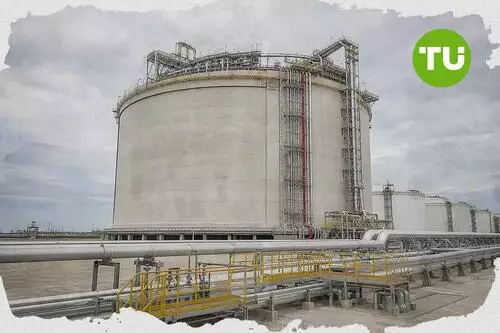
On the natural gas side, FERC grants Columbia Gulf a certificate of public convenience and necessity to construct and operate new pipeline facilities in Lincoln and Pulaski Counties, Kentucky. The project is designed to provide 260,000 dekatherms per day of firm transportation service for East Kentucky Power Cooperative, linking federal approval to regional generation fuel needs.The Commission also approves a restructuring request involving Louisiana LNG Infrastructure LLC and Driftwood Pipeline LLC. The order vacates part of Driftwood's prior Natural Gas Act Section 7 certificate and amends Louisiana LNG's Section 3 authorization so the same interconnect and receipt meter station facilities are included within the LNG export project tied to the Kinder Morgan Louisiana Pipeline system.
Other actions underscore continued regulatory scrutiny of utility transactions and tariff obligations. FERC finds a proposed transaction involving FirstLight entities and Hull Street Energy consistent with the public interest, sustains its earlier dismissal of a McKenzie Electric Cooperative complaint against Basin Electric Power Cooperative, addresses temporary tariff and standards waivers in a separate order, and clarifies a prior oil pipeline remedial relief decision while denying a motion for stay pending judicial review.
In our earlier article on sovereign resilience in a higher-rate environment, we examined how persistent geopolitical tensions and elevated public spending can increase borrowing and refinancing risks for governments as global funding costs stay high. We also noted that emerging and frontier markets are especially exposed because energy- and food-price shocks tend to worsen inflation and strain public finances, complicating credit outlooks.





Latest Natural Gas News



-
 Afghanistan
-
 Albania
-
 Algeria
-
 Angola
-
 Argentina
-
 Armenia
-
 Australia
-
 Austria
-
 Azerbaijan
-
 Bahamas
-
 Bahrain
-
 Bangladesh
-
 Belarus
-
 Belgium
-
 Bolivia
-
 Botswana
-
 Brazil
-
 Brunei
-
 Bulgaria
-
 Cambodia
-
 Cameroon
-
 Canada
-
 Chile
-
 China
-
 Colombia
-
 Congo
-
 Costa Rica
-
 Cote d'Ivoire
-
 Croatia
-
 Cuba
-
 Cyprus
-
 Czechia
-
 DR Congo
-
 Denmark
-
 Dominican Republic
-
 Ecuador
-
 Egypt
-
 El Salvador
-
 Estonia
-
 Eswatini
-
 Ethiopia
-
 Finland
-
 France
-
 Georgia
-
 Germany
-
 Ghana
-
 Greece
-
 Haiti
-
 Hong Kong
-
 Hungary
-
 India
-
 Indonesia
-
 Iran, Islamic republic
-
 Iraq
-
 Ireland
-
 Israel
-
 Italy
-
 Jamaica
-
 Japan
-
 Jordan
-
 Kazakhstan
-
 Kenya
-
 Korea
-
 Kuwait
-
 Kyrgyzstan
-
 Laos
-
 Latvia
-
 Lebanon
-
 Lesotho
-
 Libya
-
 Lithuania
-
 Luxembourg
-
 Madagascar
-
 Malaysia
-
 Malta
-
 Mauritius
-
 Mexico
-
 Moldova
-
 Mongolia
-
 Montenegro
-
 Morocco
-
 Mozambique
-
 Myanmar
-
 Namibia
-
 Nepal
-
 Netherlands
-
 New Zealand
-
 Nigeria
-
 North Macedonia
-
 Norway
-
 Oman
-
 Pakistan
-
 Palestine
-
 Panama
-
 Papua New Guinea
-
 Paraguay
-
 Peru
-
 Philippines
-
 Poland
-
 Portugal
-
 Puerto Rico
-
 Qatar
-
 Reunion
-
 Romania
-
 Rwanda
-
 Saudi Arabia
-
 Serbia
-
 Singapore
-
 Slovakia
-
 Slovenia
-
 Somalia
-
 South Africa
-
 Spain
-
 Sri Lanka
-
 Sweden
-
 Switzerland
-
 Syria
-
 Taiwan
-
 Tajikistan
-
 Tanzania
-
 Thailand
-
 Trinidad and Tobago
-
 Tunisia
-
 Turkey
-
 UAE
-
 Uganda
-
 Ukraine
-
 United Kingdom
-
United States
-
 Uruguay
-
 Uzbekistan
-
 Venezuela
-
 Vietnam
-
 Yemen
-
 Zambia
-
 Zimbabwe
- Forex
- Crypto












