

Singapore equities market momentum builds as MAS backs governance and investor engagement

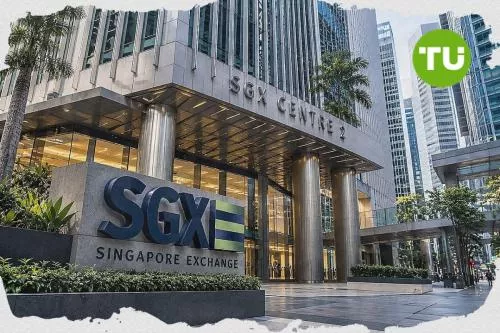
Singapore is seeing stronger trading activity and broader participation in its equities market as policymakers push to deepen liquidity and attract more quality listings. At the same time, authorities are linking the market’s longer-term development to stronger corporate governance, better-informed investors and closer engagement between listed companies and shareholders.
Highlights
- Singapore’s equities market average daily trading volumes exceed S$2 billion—over 40% above 2025 levels—with Next 50 turnover up 93% and 10 IPOs raising S$1.4 billion by end-August.
- The Monetary Authority of Singapore highlights a crowd-in ratio above 1:1 under the Equity Market Development Programme, and ongoing initiatives to link SGX and U.S. capital markets via the Global Listing Board.
- The Corporate Governance Advisory Committee will launch a review of the Code of Corporate Governance next week, aiming for clearer standards and stronger board independence while MAS expands support for investor research and education.
Market push gains traction
As reported by Monetary Authority of Singapore, Deputy Chairman Chee Hong Tat says Singapore’s equities market is showing encouraging signs, with average daily trading volumes exceeding S$2 billion, more than 40% above 2025 levels. Turnover among the Next 50 constituents has risen 93% from 2025, while 10 new listings have come to SGX this year as of end-August, raising about S$1.4 billion.Chee says the government’s efforts over the past two years are aimed at deepening investor participation, attracting quality listings, strengthening connectivity to global capital markets and maintaining a pro-enterprise regulatory stance without weakening investor confidence. Under the Equity Market Development Programme, appointed fund managers are drawing in more private capital alongside public investment, with a crowd-in ratio of more than 1:1 to date.
He says the first two phases of the programme have created a base for Phase 3, announced last month. Singapore is also building links to overseas markets through the Global Listing Board, which is intended to give eligible companies access to both Singapore and U.S. capital markets, although authorities say the initiative is still at an early stage and work is continuing to build a pipeline of issuers.
Governance and investor confidence in focus
Chee says sustaining the market’s recent momentum will depend not only on liquidity and listings, but also on companies that earn trust, investors that make informed decisions and institutions that connect both sides of the market. He says strong corporate governance remains central to resilient companies, accountable boards and long-term value creation, and adds that listed companies must operate responsibly and within the law, including avoiding links to illegal activities such as unlawful burning that causes transboundary haze.He says the government will take enforcement action where firms or individuals are found to have breached Singapore laws based on facts and evidence. The Corporate Governance Advisory Committee is reviewing the Code of Corporate Governance with a focus on clearer expectations under the comply-or-explain model, stronger board quality and independence, and greater emphasis on long-term shareholder value, with proposals due for public consultation next week.
On the investor side, MAS says it will support SIAS in developing IPO Guides to help retail investors navigate public offer documents without making investment recommendations. Chee also points to expanded support for independent IPO research under the enhanced GEMS Research grant scheme, while MAS reviews whether regulation can further encourage coverage and improve informed participation.
He adds that SIAS is expected to play a larger role in investor education, engagement and recourse as Singapore strengthens its investor protection framework. MAS says it will deepen its partnership with SIAS, reinforcing a broader strategy to support sustainable growth in Singapore’s capital markets.
Our earlier article on India’s disinvestment programme explained that most proceeds since FY2016 have come from stock market-linked routes such as ETFs, public issues and buybacks, while strategic sales have contributed relatively little. It also highlighted how the planned IDBI Bank stake sale stands out in size versus past strategic deals and could materially improve the government’s ability to meet its annual disinvestment target.






Latest SGX News




-
 Afghanistan
-
 Albania
-
 Algeria
-
 Angola
-
 Argentina
-
 Armenia
-
 Australia
-
 Austria
-
 Azerbaijan
-
 Bahamas
-
 Bahrain
-
 Bangladesh
-
 Belarus
-
 Belgium
-
 Bolivia
-
 Botswana
-
 Brazil
-
 Brunei
-
 Bulgaria
-
 Cambodia
-
 Cameroon
-
 Canada
-
 Chile
-
 China
-
 Colombia
-
 Congo
-
 Costa Rica
-
 Cote d'Ivoire
-
 Croatia
-
 Cuba
-
 Cyprus
-
 Czechia
-
 DR Congo
-
 Denmark
-
 Dominican Republic
-
 Ecuador
-
 Egypt
-
 El Salvador
-
 Estonia
-
 Eswatini
-
 Ethiopia
-
 Finland
-
 France
-
 Georgia
-
 Germany
-
 Ghana
-
 Greece
-
 Haiti
-
 Hong Kong
-
 Hungary
-
 India
-
 Indonesia
-
 Iran, Islamic republic
-
 Iraq
-
 Ireland
-
 Israel
-
 Italy
-
 Jamaica
-
 Japan
-
 Jordan
-
 Kazakhstan
-
 Kenya
-
 Korea
-
 Kuwait
-
 Kyrgyzstan
-
 Laos
-
 Latvia
-
 Lebanon
-
 Lesotho
-
 Libya
-
 Lithuania
-
 Luxembourg
-
 Madagascar
-
 Malaysia
-
 Malta
-
 Mauritius
-
 Mexico
-
 Moldova
-
 Mongolia
-
 Montenegro
-
 Morocco
-
 Mozambique
-
 Myanmar
-
 Namibia
-
 Nepal
-
 Netherlands
-
 New Zealand
-
 Nigeria
-
 North Macedonia
-
 Norway
-
 Oman
-
 Pakistan
-
 Palestine
-
 Panama
-
 Papua New Guinea
-
 Paraguay
-
 Peru
-
 Philippines
-
 Poland
-
 Portugal
-
 Puerto Rico
-
 Qatar
-
 Reunion
-
 Romania
-
 Rwanda
-
 Saudi Arabia
-
 Serbia
-
 Singapore
-
 Slovakia
-
 Slovenia
-
 Somalia
-
 South Africa
-
 Spain
-
 Sri Lanka
-
 Sweden
-
 Switzerland
-
 Syria
-
 Taiwan
-
 Tajikistan
-
 Tanzania
-
 Thailand
-
 Trinidad and Tobago
-
 Tunisia
-
 Turkey
-
 UAE
-
 Uganda
-
 Ukraine
-
 United Kingdom
-
United States
-
 Uruguay
-
 Uzbekistan
-
 Venezuela
-
 Vietnam
-
 Yemen
-
 Zambia
-
 Zimbabwe
- Forex
- Crypto












