

China regulator warns AI investment concentration is raising risks for traditional industries

Concerns over the global allocation of capital to artificial intelligence are emerging as regulators assess the broader financial effects of the sector's rapid expansion. China says heavy investment flows into AI and leading technology firms are pushing up borrowing costs for traditional industries and increasing credit risks.
Highlights
- Xiao Yuanqi of the China National Financial Regulatory Administration warns that concentrated global investment in AI is raising borrowing costs for traditional industries.
- Rapid capital influx into technology and leading firms is increasing leverage and may fuel excessively rapid expansion, potentially heightening credit risks across the economy.
- Xiao urges policymakers to develop targeted frameworks to manage risks from AI-driven transformation and its impact on macroeconomic stability and financial oversight.
Regulator flags capital concentration risks
As reported by Reuters, Xiao Yuanqi, vice head of the China National Financial Regulatory Administration, says global investment in artificial intelligence is becoming overly concentrated and is crowding out traditional industries by raising their borrowing costs.Speaking at the Hong Kong Monetary Authority's Global Financial Leaders' Summit in Hong Kong on Tuesday, Xiao says a massive influx of capital into the technology sector and leading firms is driving up leverage levels in those areas and could fuel excessively rapid expansion.
He says this concentration of capital is increasing the financial burden on traditional industries, weakening their ability to reinvest and expand production, while also heightening credit risks across the economy.
Policy implications for financial oversight
Xiao says policymakers should prepare frameworks specifically addressing the AI-driven transformation, both in macroeconomic management and in the prevention of economic and financial risks.The comments point to growing official scrutiny of how AI-focused funding affects the wider economy, especially if financing conditions tighten for sectors outside technology. For banks and regulators, the issue also carries implications for leverage, sector exposure and the balance between innovation funding and broader industrial stability.
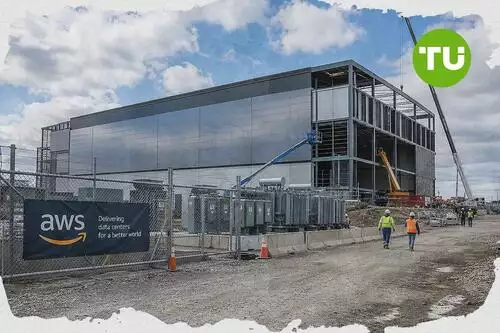
In our earlier article on the U.S. AI data center boom, we examined how the rapid buildout is running into higher financing costs, construction delays, and power constraints that are undermining project credibility. We also noted that weakening investor sentiment and cost overruns are raising doubts about whether developers can deliver promised capacity on time and turn massive capital spending into sustainable returns.






Latest AI News




-
 Afghanistan
-
 Albania
-
 Algeria
-
 Angola
-
 Argentina
-
 Armenia
-
 Australia
-
 Austria
-
 Azerbaijan
-
 Bahamas
-
 Bahrain
-
 Bangladesh
-
 Belarus
-
 Belgium
-
 Bolivia
-
 Botswana
-
 Brazil
-
 Brunei
-
 Bulgaria
-
 Cambodia
-
 Cameroon
-
 Canada
-
 Chile
-
 China
-
 Colombia
-
 Congo
-
 Costa Rica
-
 Cote d'Ivoire
-
 Croatia
-
 Cuba
-
 Cyprus
-
 Czechia
-
 DR Congo
-
 Denmark
-
 Dominican Republic
-
 Ecuador
-
 Egypt
-
 El Salvador
-
 Estonia
-
 Eswatini
-
 Ethiopia
-
 Finland
-
 France
-
 Georgia
-
 Germany
-
 Ghana
-
 Greece
-
 Haiti
-
 Hong Kong
-
 Hungary
-
 India
-
 Indonesia
-
 Iran, Islamic republic
-
 Iraq
-
 Ireland
-
 Israel
-
 Italy
-
 Jamaica
-
 Japan
-
 Jordan
-
 Kazakhstan
-
 Kenya
-
 Korea
-
 Kuwait
-
 Kyrgyzstan
-
 Laos
-
 Latvia
-
 Lebanon
-
 Lesotho
-
 Libya
-
 Lithuania
-
 Luxembourg
-
 Madagascar
-
 Malaysia
-
 Malta
-
 Mauritius
-
 Mexico
-
 Moldova
-
 Mongolia
-
 Montenegro
-
 Morocco
-
 Mozambique
-
 Myanmar
-
 Namibia
-
 Nepal
-
 Netherlands
-
 New Zealand
-
 Nigeria
-
 North Macedonia
-
 Norway
-
 Oman
-
 Pakistan
-
 Palestine
-
 Panama
-
 Papua New Guinea
-
 Paraguay
-
 Peru
-
 Philippines
-
 Poland
-
 Portugal
-
 Puerto Rico
-
 Qatar
-
 Reunion
-
 Romania
-
 Rwanda
-
 Saudi Arabia
-
 Serbia
-
 Singapore
-
 Slovakia
-
 Slovenia
-
 Somalia
-
 South Africa
-
 Spain
-
 Sri Lanka
-
 Sweden
-
 Switzerland
-
 Syria
-
 Taiwan
-
 Tajikistan
-
 Tanzania
-
 Thailand
-
 Trinidad and Tobago
-
 Tunisia
-
 Turkey
-
 UAE
-
 Uganda
-
 Ukraine
-
 United Kingdom
-
United States
-
 Uruguay
-
 Uzbekistan
-
 Venezuela
-
 Vietnam
-
 Yemen
-
 Zambia
-
 Zimbabwe
- Forex
- Crypto












