

ConocoPhillips CEO transition puts $7 billion cash flow plan in focus

ConocoPhillips is preparing for a leadership change as chief financial officer Andy O'Brien takes over next month while the company advances a multiyear push to lift free cash flow by $7 billion by 2029. The handover comes as the U.S. oil producer works to complete its costly Willow project in Alaska, manage spending and address recent share underperformance against some major rivals.
Highlights
- ConocoPhillips announces CFO William O'Brien will succeed CEO Ryan Lance on September 1, as the company posts its largest quarterly net income since 2022.
- Achieving the $7 billion increase in free cash flow by 2029 hinges on timely Willow oil project execution, now estimated at up to $9 billion following inflation-driven cost hikes.
- Investors demand disciplined spending and accelerated returns, with recent underperformance versus ExxonMobil and Chevron increasing pressure on incoming leadership amid broader industry consolidation.
Succession plan and project execution priorities
As reported by Reuters, ConocoPhillips announces the succession plan alongside its biggest quarterly net income since 2022, helped by higher crude prices linked to the Iran war. O'Brien, a nearly 30-year company veteran and current chief financial officer, takes over on September 1 as Ryan Lance steps down after 14 years as chief executive to become executive chairman.The timing surprises some analysts because the company is midway through a plan to add $7 billion in free cash flow by 2029. Analysts say that target depends heavily on completing the Willow oil project in Alaska, while ConocoPhillips also faces disruptions at two large liquefied natural gas expansions in Qatar tied to the Middle East conflict.
O'Brien says on the company's earnings call that delivering major projects and the cost reduction program remains the team's main focus. Lance says he believes the company is in its strongest position and would not be leaving otherwise.
Willow remains central to the strategy after ConocoPhillips approved the project in 2023. The Alaska development is expected to produce 600 million barrels over its lifetime, and the company is targeting first production in 2029.
Last year, ConocoPhillips raised the project's estimated cost to as much as $9 billion, up $1.5 billion from its earlier forecast, citing inflation and supply chain pressures. Barclays analyst Betty Jiang writes that Willow supports nearly 75% of the company's planned free cash flow growth, making execution critical under the incoming chief executive.
Investor expectations and industry pressure
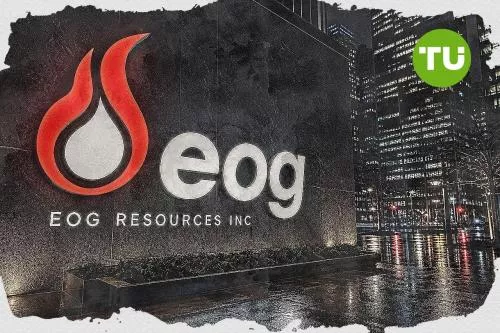
Investors are likely to judge the new chief executive on whether ConocoPhillips can keep spending under control and turn heavy investment into stronger returns. RBC Capital Markets managing director Scott Hanold says shareholders placed substantial trust in Lance, and that O'Brien faces high expectations if projects do not proceed smoothly.ConocoPhillips' stock has outperformed most peers during Lance's tenure since 2012, trailing only EOG Resources over that period. In the past three years, however, the shares have lagged ExxonMobil and Chevron, a trend Hanold links in part to large spending commitments that investors want to see translated into free cash flow.
The company is also pursuing broader cost cuts. Last year it says it would lay off up to 25% of its global workforce, after Lance told staff that ConocoPhillips had fallen behind competitors and needed to streamline operations as costs rose by $2 per barrel over three years.
Beyond internal execution, ConocoPhillips may face pressure to respond to further consolidation across the oil industry as producers seek greater scale. Bill Smead, chief investment officer at Smead Capital Management, says that possibility could become another major issue for O'Brien as he begins his tenure.
In our earlier article on Senate Democrats’ proposed American Energy Independence & Tax Fairness Act, we explained how the bill would roll back tax advantages tied to overseas oil and gas extraction and tighten rules around foreign tax credits. We also noted the political backdrop of elevated fuel costs and strong quarterly profits at major producers, as lawmakers argued the tax code should encourage more domestic investment.






Latest EOG Resources Inc News



-
 Afghanistan
-
 Albania
-
 Algeria
-
 Angola
-
 Argentina
-
 Armenia
-
 Australia
-
 Austria
-
 Azerbaijan
-
 Bahamas
-
 Bahrain
-
 Bangladesh
-
 Belarus
-
 Belgium
-
 Bolivia
-
 Botswana
-
 Brazil
-
 Brunei
-
 Bulgaria
-
 Cambodia
-
 Cameroon
-
 Canada
-
 Chile
-
 China
-
 Colombia
-
 Congo
-
 Costa Rica
-
 Cote d'Ivoire
-
 Croatia
-
 Cuba
-
 Cyprus
-
 Czechia
-
 DR Congo
-
 Denmark
-
 Dominican Republic
-
 Ecuador
-
 Egypt
-
 El Salvador
-
 Estonia
-
 Eswatini
-
 Ethiopia
-
 Finland
-
 France
-
 Georgia
-
 Germany
-
 Ghana
-
 Greece
-
 Haiti
-
 Hong Kong
-
 Hungary
-
 India
-
 Indonesia
-
 Iran, Islamic republic
-
 Iraq
-
 Ireland
-
 Israel
-
 Italy
-
 Jamaica
-
 Japan
-
 Jordan
-
 Kazakhstan
-
 Kenya
-
 Korea
-
 Kuwait
-
 Kyrgyzstan
-
 Laos
-
 Latvia
-
 Lebanon
-
 Lesotho
-
 Libya
-
 Lithuania
-
 Luxembourg
-
 Madagascar
-
 Malaysia
-
 Malta
-
 Mauritius
-
 Mexico
-
 Moldova
-
 Mongolia
-
 Montenegro
-
 Morocco
-
 Mozambique
-
 Myanmar
-
 Namibia
-
 Nepal
-
 Netherlands
-
 New Zealand
-
 Nigeria
-
 North Macedonia
-
 Norway
-
 Oman
-
 Pakistan
-
 Palestine
-
 Panama
-
 Papua New Guinea
-
 Paraguay
-
 Peru
-
 Philippines
-
 Poland
-
 Portugal
-
 Puerto Rico
-
 Qatar
-
 Reunion
-
 Romania
-
 Rwanda
-
 Saudi Arabia
-
 Serbia
-
 Singapore
-
 Slovakia
-
 Slovenia
-
 Somalia
-
 South Africa
-
 Spain
-
 Sri Lanka
-
 Sweden
-
 Switzerland
-
 Syria
-
 Taiwan
-
 Tajikistan
-
 Tanzania
-
 Thailand
-
 Trinidad and Tobago
-
 Tunisia
-
 Turkey
-
 UAE
-
 Uganda
-
 Ukraine
-
 United Kingdom
-
United States
-
 Uruguay
-
 Uzbekistan
-
 Venezuela
-
 Vietnam
-
 Yemen
-
 Zambia
-
 Zimbabwe
- Forex
- Crypto












