

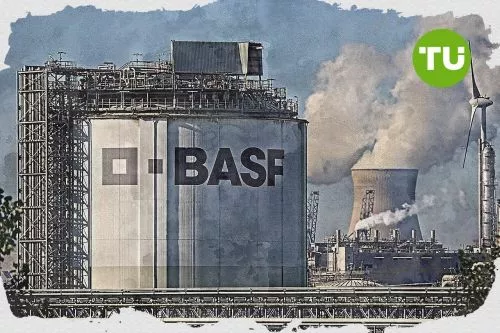
BASF rating affirmed at A as Fitch cites deleveraging and portfolio measures

BASF keeps its A long-term issuer rating with a stable outlook as the chemicals group navigates weak market conditions with restructuring, asset sales and disciplined capital allocation. The rating view also reflects expectations that leverage falls to 2x by the end of 2026 after the disposal of the automotive coatings business.
Highlights
- BASF's A long-term issuer default and senior unsecured ratings affirmed by Fitch, citing stable outlook, successful deleveraging, and disciplined capital allocation amid challenging chemical markets.
- BASF's restructuring includes closing uncompetitive gas-intensive units, implementing cost savings, and anticipating EUR1–1.2 billion EBITDA contribution from its new Verbund site in China by 2030.
- Fitch expects BASF's long-term U.S. LNG supply deal to ensure gas costs at EUR40/MWh through 2030, supporting European competitiveness amid high regional prices.
Rating rationale and balance sheet outlook
As reported by Fitch Ratings, BASF's A long-term issuer default rating and A senior unsecured rating rest on what the agency describes as a very strong business profile, supported by the group's global scale, diversified operations and deep vertical integration.Fitch says the stable outlook reflects successful deleveraging and BASF's stated commitment to preserving a solid balance sheet through disposals, restructuring and disciplined capital allocation despite challenging chemical markets. The agency says leverage metrics remain tight within rating sensitivities and could come under pressure if shareholder distributions become more active or if the company pursues large debt-funded acquisitions.
Fitch adds that a potential minority listing of BASF's agricultural solutions division could create additional headroom under the current rating sensitivities, although that scenario is not included in its base rating case. In its Corporate Rating Tool assessment, the agency makes no adjustment to BASF's standalone credit profile, resulting in the A long-term rating.
Operational changes and sector positioning
BASF is closing uncompetitive gas-intensive units and implementing cost savings as it adjusts its industrial footprint. Fitch says the group's new Verbund site in China should reduce exposure to Europe, with BASF expecting the project to contribute at least EUR1 billion to EUR1.2 billion in EBITDA before special items by 2030.The ratings agency also points to BASF's long-term liquefied natural gas supply agreement from the U.S. as partial protection for its European operations against high regional gas prices. Based on Fitch's assumptions for U.S. Henry Hub gas prices, that supply implies an estimated gas cost of EUR40/MWh through 2030.
Fitch says BASF remains the largest chemical company in the world outside China, reporting sales of EUR60 billion and Fitch-adjusted EBITDA of EUR5.9 billion in 2025. It says the group stands ahead of peers including Saudi Basic Industries Corporation, Corteva and Dow, while also being more diversified than SABIC and Corteva.
Our earlier coverage of Fitch’s rating action on Hainan Rubber’s proposed subordinated perpetual securities explained why the notes were rated below the issuer, reflecting their junior ranking in the capital structure and the option to defer coupons. We also highlighted Fitch’s view of the group’s elevated leverage, liquidity position and the role of state-linked support in maintaining funding access.










-
 Afghanistan
-
 Albania
-
 Algeria
-
 Angola
-
 Argentina
-
 Armenia
-
 Australia
-
 Austria
-
 Azerbaijan
-
 Bahamas
-
 Bahrain
-
 Bangladesh
-
 Belarus
-
 Belgium
-
 Bolivia
-
 Botswana
-
 Brazil
-
 Brunei
-
 Bulgaria
-
 Cambodia
-
 Cameroon
-
 Canada
-
 Chile
-
 China
-
 Colombia
-
 Congo
-
 Costa Rica
-
 Cote d'Ivoire
-
 Croatia
-
 Cuba
-
 Cyprus
-
 Czechia
-
 DR Congo
-
 Denmark
-
 Dominican Republic
-
 Ecuador
-
 Egypt
-
 El Salvador
-
 Estonia
-
 Eswatini
-
 Ethiopia
-
 Finland
-
 France
-
 Georgia
-
 Germany
-
 Ghana
-
 Greece
-
 Haiti
-
 Hong Kong
-
 Hungary
-
 India
-
 Indonesia
-
 Iran, Islamic republic
-
 Iraq
-
 Ireland
-
 Israel
-
 Italy
-
 Jamaica
-
 Japan
-
 Jordan
-
 Kazakhstan
-
 Kenya
-
 Korea
-
 Kuwait
-
 Kyrgyzstan
-
 Laos
-
 Latvia
-
 Lebanon
-
 Lesotho
-
 Libya
-
 Lithuania
-
 Luxembourg
-
 Madagascar
-
 Malaysia
-
 Malta
-
 Mauritius
-
 Mexico
-
 Moldova
-
 Mongolia
-
 Montenegro
-
 Morocco
-
 Mozambique
-
 Myanmar
-
 Namibia
-
 Nepal
-
 Netherlands
-
 New Zealand
-
 Nigeria
-
 North Macedonia
-
 Norway
-
 Oman
-
 Pakistan
-
 Palestine
-
 Panama
-
 Papua New Guinea
-
 Paraguay
-
 Peru
-
 Philippines
-
 Poland
-
 Portugal
-
 Puerto Rico
-
 Qatar
-
 Reunion
-
 Romania
-
 Rwanda
-
 Saudi Arabia
-
 Serbia
-
 Singapore
-
 Slovakia
-
 Slovenia
-
 Somalia
-
 South Africa
-
 Spain
-
 Sri Lanka
-
 Sweden
-
 Switzerland
-
 Syria
-
 Taiwan
-
 Tajikistan
-
 Tanzania
-
 Thailand
-
 Trinidad and Tobago
-
 Tunisia
-
 Turkey
-
 UAE
-
 Uganda
-
 Ukraine
-
 United Kingdom
-
United States
-
 Uruguay
-
 Uzbekistan
-
 Venezuela
-
 Vietnam
-
 Yemen
-
 Zambia
-
 Zimbabwe
- Forex
- Crypto












