

Buffer ETFs gain traction as investors seek downside protection in volatile U.S. markets

With U.S. stocks under pressure late in 2026, buffer ETFs are drawing investor interest by limiting part of the downside in exchange for capped gains. The products have attracted $14.5 billion in inflows as of Oct. 31, even as investors weigh higher fees, timing requirements and whether bonds may offer a simpler defensive alternative.
Highlights
- In the fourth quarter, S&P 500 fell about 6% and Nasdaq Composite dropped nearly 12%, driven by volatility in artificial intelligence-related stocks.
- Buffer ETFs like Innovator U.S. Equity Ultra Buffer ETF (UJAN) offer 5–35% downside protection with capped gains; UJAN returned just under 5% year to date versus S&P 500's 6.8%.
- Defined outcome ETFs use options strategies to absorb losses and cap gains, gaining popularity as investors seek protection amid concerns of inflation, rising rates, and correlated asset declines.
How buffer ETFs work in the current market
As reported by CNBC, citing Morningstar, buffer, or defined outcome, ETFs use options strategies to track an index, absorb losses up to a set level and limit upside over a defined period, usually one year.Dan Sotiroff, associate director of ETF and passive strategies research at Morningstar, said the funds are built around options, often involving the purchase of a put or put spread and the sale of a call. That structure creates the core trade-off, some downside protection in return for a cap on gains.
Market turbulence tied to the artificial intelligence trade has pushed the S&P 500 down about 6% in the fourth quarter and the Nasdaq Composite down nearly 12% over the same period. In that backdrop, firms such as Innovator are positioning the funds as a defensive tool for investors concerned about inflation, rising rates and stock and bond prices moving together.
Innovator, which launched the first defined outcome ETF in 2018, offers products such as the Innovator U.S. Equity Ultra Buffer ETF, ticker UJAN. Its January series buffers losses from 5% to 35% during the outcome period while tracking the SPDR S&P 500 ETF Trust, subject to a cap; year to date, UJAN has returned just under 5%, compared with the S&P 500 total return of 6.8%, and carries an expense ratio of 0.79%.
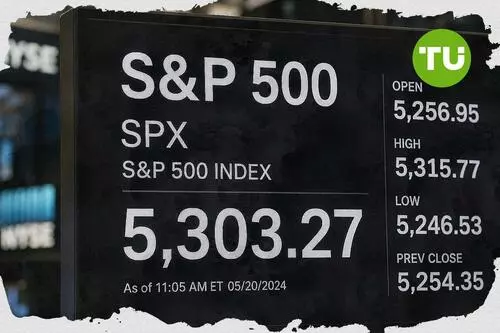
Previously, we highlighted S&P 500 volatility alongside increased issuance of buffer securities tied to the index.









-
 Afghanistan
-
 Albania
-
 Algeria
-
 Angola
-
 Argentina
-
 Armenia
-
 Australia
-
 Austria
-
 Azerbaijan
-
 Bahamas
-
 Bahrain
-
 Bangladesh
-
 Belarus
-
 Belgium
-
 Bolivia
-
 Botswana
-
 Brazil
-
 Brunei
-
 Bulgaria
-
 Cambodia
-
 Cameroon
-
 Canada
-
 Chile
-
 China
-
 Colombia
-
 Congo
-
 Costa Rica
-
 Cote d'Ivoire
-
 Croatia
-
 Cuba
-
 Cyprus
-
 Czechia
-
 DR Congo
-
 Denmark
-
 Dominican Republic
-
 Ecuador
-
 Egypt
-
 El Salvador
-
 Estonia
-
 Eswatini
-
 Ethiopia
-
 Finland
-
 France
-
 Georgia
-
 Germany
-
 Ghana
-
 Greece
-
 Haiti
-
 Hong Kong
-
 Hungary
-
 India
-
 Indonesia
-
 Iran, Islamic republic
-
 Iraq
-
 Ireland
-
 Israel
-
 Italy
-
 Jamaica
-
 Japan
-
 Jordan
-
 Kazakhstan
-
 Kenya
-
 Korea
-
 Kuwait
-
 Kyrgyzstan
-
 Laos
-
 Latvia
-
 Lebanon
-
 Lesotho
-
 Libya
-
 Lithuania
-
 Luxembourg
-
 Madagascar
-
 Malaysia
-
 Malta
-
 Mauritius
-
 Mexico
-
 Moldova
-
 Mongolia
-
 Montenegro
-
 Morocco
-
 Mozambique
-
 Myanmar
-
 Namibia
-
 Nepal
-
 Netherlands
-
 New Zealand
-
 Nigeria
-
 North Macedonia
-
 Norway
-
 Oman
-
 Pakistan
-
 Palestine
-
 Panama
-
 Papua New Guinea
-
 Paraguay
-
 Peru
-
 Philippines
-
 Poland
-
 Portugal
-
 Puerto Rico
-
 Qatar
-
 Reunion
-
 Romania
-
 Rwanda
-
 Saudi Arabia
-
 Serbia
-
 Singapore
-
 Slovakia
-
 Slovenia
-
 Somalia
-
 South Africa
-
 Spain
-
 Sri Lanka
-
 Sweden
-
 Switzerland
-
 Syria
-
 Taiwan
-
 Tajikistan
-
 Tanzania
-
 Thailand
-
 Trinidad and Tobago
-
 Tunisia
-
 Turkey
-
 UAE
-
 Uganda
-
 Ukraine
-
 United Kingdom
-
United States
-
 Uruguay
-
 Uzbekistan
-
 Venezuela
-
 Vietnam
-
 Yemen
-
 Zambia
-
 Zimbabwe
- Forex
- Crypto












