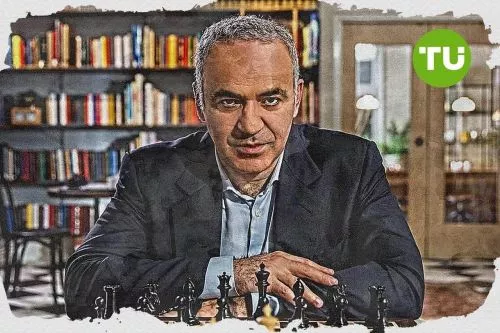
Human Rights and Geopolitical Analysis by Garry Kasparov
Garry Kasparov became the youngest undisputed World Chess Champion in 1985 at age 22 after defeating Anatoly Karpov in a series of legendary matches. Known for his aggressive, strategic style, Kasparov dominated the chess world for two decades. In 1997, he famously faced IBM’s Deep Blue supercomputer in a match that became a landmark in artificial intelligence history. Since retiring from competitive chess in 2005, Kasparov has devoted himself to human rights advocacy and opposition to authoritarian regimes.
Garry Kasparov was born in Baku, Azerbaijan, in 1963 and entered the Soviet chess school system as a prodigy. By the mid-1980s, he was recognized as a symbol of individual brilliance in a politically charged environment. After retirement, Kasparov founded the United Civil Front in Russia and joined opposition movements against Vladimir Putin. He has authored influential books, including How Life Imitates Chess and Winter Is Coming, blending strategic lessons with political analysis. His speeches at global forums like the Oslo Freedom Forum and his role in the Renew Democracy Initiative have solidified his status as both a chess legend and a prominent advocate for democratic freedoms.