
The Future Of Forex Trading: Key Trends And Predictions


Editorial Note: While we adhere to strict Editorial Integrity, this post may contain references to products from our partners. Here's an explanation for How We Make Money. None of the data and information on this webpage constitutes investment advice according to our Disclaimer.
Here are some key trends and predictions for the future of Forex trading:
Understanding future trends is crucial for traders to stay competitive and make informed decisions. This article explores the key trends and predictions shaping the future of Forex trading.
Emerging trends in Forex trading
Mobile trading
The proliferation of mobile trading apps has made Forex trading more accessible than ever. Traders can now execute trades from anywhere at any time, providing greater flexibility and convenience. As mobile technology continues to advance, the trend towards mobile trading is expected to grow, with apps becoming increasingly sophisticated and user-friendly.
According to a report by Statista, the number of mobile trading app users worldwide is expected to reach 1.5 billion by 2024, up from 1.3 billion in 2021. This indicates a significant increase in the adoption of mobile trading platforms.
The trend towards mobile trading is expected to continue, with a projected annual growth rate of 7% in the number of users. By 2030, it is estimated that mobile trading will dominate the Forex market, accounting for over 70% of all trades.
We compared the best brokers that offer mobile trading capabilities, and also checked what other trading platforms they offer:
| MT4 | MT5 | cTrader | WebTrader | NinjaTrader | Proprietary platform | Android | iOS | Open account | |
|---|---|---|---|---|---|---|---|---|---|
| No | Yes | No | Yes | No | Yes | Yes | Yes | Go to broker Your capital is at risk. |
|
| No | No | No | Yes | No | Yes | Yes | Yes | Go to broker 81% of retail CFD accounts lose money. |
|
| Yes | Yes | No | Yes | No | Yes | Yes | Yes | Go to broker Your capital is at risk. |
|
| Yes | Yes | No | Yes | No | Yes | Yes | Yes | Study review | |
| Yes | No | No | Yes | No | Yes | Yes | Yes | Study review |
Social trading
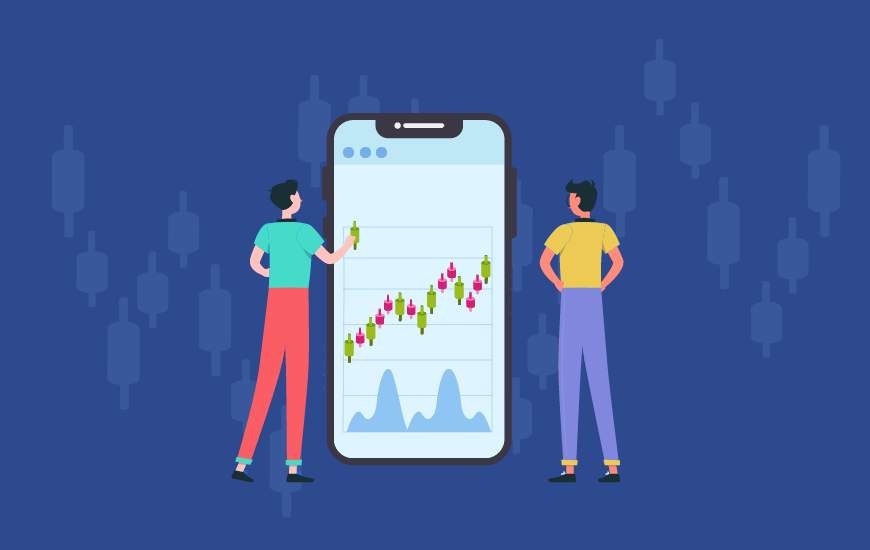
Social trading platforms allow traders to follow and replicate the strategies of successful traders. This community-driven approach enhances learning and collaboration among traders. The popularity of social trading is set to rise, offering new ways for traders to share insights and improve their trading performance.
The list of the best copy trading platforms includes:
| Min. deposit, $ | Copy trading | Currency pairs, number | Stocks | Bonds | Indices | |
|---|---|---|---|---|---|---|
| No | Yes | 68 | Yes | Yes | Yes | |
| 100 | Yes | 80 | Yes | Yes | Yes | |
| 1 | Yes | 80 | Yes | Yes | Yes | |
| 1 | Yes | 50 | Yes | Yes | Yes | |
| 5000 | Yes | 50 | Yes | Yes | Yes |
Rise of retail trading
Retail participation in Forex trading has surged, driven by the availability of online trading platforms and educational resources. This trend democratizes access to Forex trading, allowing individual traders to compete in a market traditionally dominated by large financial institutions. The future will likely see continued growth in retail trading, further diversifying the market.

Personalization and customization in trading
Personalized trading strategies and tools tailored to individual preferences are becoming more prevalent. Traders can now customize their trading interfaces, strategies, and risk management practices to suit their specific needs. This trend towards personalization is expected to continue, offering traders more control over their trading experience.

Increased use of artificial intelligence and machine learning
The adoption of AI and ML is set to revolutionize Forex trading by enabling more sophisticated analysis and predictive models. AI-driven trading algorithms will become more prevalent, providing traders with enhanced data analysis, pattern recognition, and automated trading strategies.
Market dynamics and influences
Regulatory changes
The regulatory landscape in Forex trading is continually evolving. Regulatory bodies aim to protect investors and ensure market integrity, resulting in stricter guidelines and compliance requirements. Future regulatory changes will likely focus on enhancing transparency, reducing risks, and protecting retail traders.
Global economic and geopolitical factors
Macroeconomic indicators such as interest rates, inflation, and GDP growth significantly impact Forex trading. Geopolitical events can also cause substantial currency fluctuations. Understanding these factors is essential for predicting market movements and making informed trading decisions. The interplay of these elements will continue to shape the Forex market's future dynamics.
Impact of emerging market currencies
Emerging market currencies present new opportunities and risks in Forex trading. As these economies grow, their currencies become more influential, offering potential for significant returns. Traders should monitor developments in emerging markets to capitalize on these opportunities.
Predictions for the next decade
Here are some key predictions and quotes from renowned investors and traders about the future of Forex trading:
Bill Lipschutz on patience and learning

"If most traders would learn to sit on their hands 50 percent of the time, they would make a lot more money."
Lipschutz emphasizes the importance of patience and continuous learning in trading, suggesting that traders who can wait for the right opportunities and constantly educate themselves will be more successful.
Stanley Druckenmiller on emotional discipline
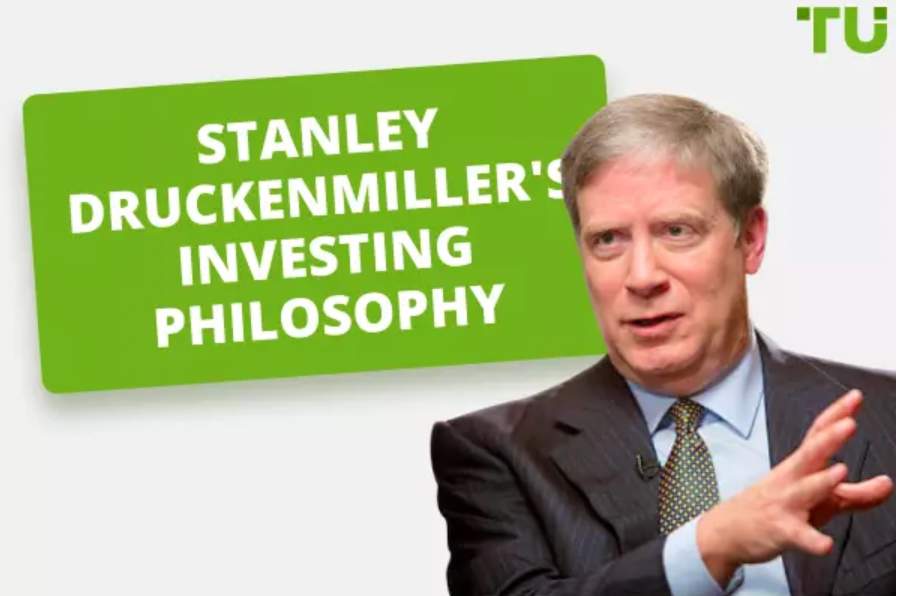
"The key to trading success is emotional discipline. Making money has nothing to do with intelligence."
Druckenmiller highlights that maintaining emotional discipline is crucial for trading success, suggesting that controlling emotions and staying focused on strategies is more important than merely having intellectual knowledge.
Paul Tudor Jones on the thirst for knowledge

"The secret to being successful from a trading perspective is to have an indefatigable and an undying and unquenchable thirst for information and knowledge."
Jones stresses the importance of continuous education and staying informed about market conditions and trends. This aligns with the future trend of integrating big data and advanced analytics into trading strategies.
By considering these insights and predictions from experienced traders, Forex traders can better prepare for the future of trading, leveraging technological advancements and maintaining disciplined, informed strategies to navigate the evolving market landscape.
Preparing for the future
Continuous learning and adaptation to technological advancements are crucial for staying competitive in Forex trading.
Embracing new tools and technologies can enhance trading strategies and performance. Forex trading has long been plagued by issues such as lack of transparency, inefficiencies in cross-border payments, and the need for intermediaries that add costs and delays. Blockchain technology offers a solution to these challenges by decentralizing the process, enabling peer-to-peer transactions, and creating an immutable ledger that records every transaction. By using blockchain, traders and brokers can trade more openly, with better security and smoother transactions. Traders should remain open to innovation and be willing to integrate new technologies into their practices.
Effective trading strategies are essential for success in Forex trading. Personalized strategies tailored to individual goals and risk tolerance can improve outcomes. Future trends in strategy development will likely focus on incorporating advanced technologies and data analytics.
Market volatility presents both opportunities and challenges. Traders must be prepared to navigate fluctuations and adjust their approaches accordingly. Strategies to handle increased volatility include diversifying portfolios, using risk management tools, and staying informed about market trends.
Forex perspectives

As I look to the future of Forex trading, I see it being profoundly shaped by technological advancements and regulatory changes. AI and machine learning are set to revolutionize market predictions and algorithmic trading, making them faster and more accurate.
Regulatory changes will likely focus on transparency and protecting retail traders, necessitating significant investments in compliance technology. I expect emerging markets, especially in Asia and Africa, to drive demand and spur innovation in educational tools.
Sustainability and ethical trading practices will become more important, attracting conscientious traders. Data security and privacy will be paramount in our increasingly digital trading environment. To succeed, you'll need to adapt to these trends with agility and foresight.
Summary
The future of Forex trading will be driven by AI and machine learning, enhancing market predictions and algorithmic trading. Emerging markets, especially in Asia and Africa, will boost demand and innovation in trading education. Sustainability and ethical practices will gain importance, and data security will be crucial in the digital trading landscape. Adapting swiftly to these changes will be essential for staying competitive.
FAQs
How will AI and machine learning impact Forex trading?
AI and machine learning will improve the accuracy of market predictions and enhance the speed and efficiency of algorithmic trading.
What role will blockchain and DeFi play in Forex trading?
Blockchain and DeFi will enhance transaction transparency, security, and accessibility, potentially lowering costs.
How will regulatory changes affect Forex trading?
Future regulations will focus on increasing transparency and protecting retail traders, requiring significant investments in compliance technology.
What is the significance of emerging markets in Forex trading?
Emerging markets, particularly in Asia and Africa, will drive increased demand and spur innovation in trading education and tools.
Editors' Top Picks and Insights





Related Articles
Team that worked on the article
Parshwa is a content expert and finance professional possessing deep knowledge of stock and options trading, technical and fundamental analysis, and equity research. As a Chartered Accountant Finalist, Parshwa also has expertise in Forex, crypto trading, and personal taxation.
Dr. BJ Johnson is a PhD in English Language and an editor with over 15 years of experience. He earned his degree in English Language in the U.S and the UK.
Mirjan Hipolito is a journalist and news editor at Traders Union. She is an expert crypto writer with five years of experience in the financial markets.
Ethereum is a decentralized blockchain platform and cryptocurrency that was proposed by Vitalik Buterin in late 2013 and development began in early 2014. It was designed as a versatile platform for creating decentralized applications (DApps) and smart contracts.
Diversification is an investment strategy that involves spreading investments across different asset classes, industries, and geographic regions to reduce overall risk.
Forex trading, short for foreign exchange trading, is the practice of buying and selling currencies in the global foreign exchange market with the aim of profiting from fluctuations in exchange rates. Traders speculate on whether one currency will rise or fall in value relative to another currency and make trading decisions accordingly. However, beware that trading carries risks, and you can lose your whole capital.
Fundamental analysis is a method or tool that investors use that seeks to determine the intrinsic value of a security by examining economic and financial factors. It considers macroeconomic factors such as the state of the economy and industry conditions.
Bitcoin is a decentralized digital cryptocurrency that was created in 2009 by an anonymous individual or group using the pseudonym Satoshi Nakamoto. It operates on a technology called blockchain, which is a distributed ledger that records all transactions across a network of computers.

-
 Afghanistan
-
 Albania
-
 Algeria
-
 Angola
-
 Argentina
-
 Armenia
-
 Australia
-
 Austria
-
 Azerbaijan
-
 Bahamas
-
 Bahrain
-
 Bangladesh
-
 Belarus
-
 Belgium
-
 Bolivia
-
 Botswana
-
 Brazil
-
 Brunei
-
 Bulgaria
-
 Cambodia
-
 Cameroon
-
 Canada
-
 Chile
Chile
-
 China
China
-
 Colombia
-
 Congo
Congo
-
 Costa Rica
-
 Cote d'Ivoire
-
 Croatia
-
 Cuba
Cuba
-
 Cyprus
-
 Czechia
-
 DR Congo
-
 Denmark
-
 Dominican Republic
-
 Ecuador
-
 Egypt
Egypt
-
 El Salvador
-
 Estonia
-
 Eswatini
-
 Ethiopia
-
 Finland
-
 France
-
 Georgia
-
 Germany
-
 Ghana
Ghana
-
 Greece
-
 Haiti
Haiti
-
 Hong Kong
-
 Hungary
-
 India
India
-
 Indonesia
-
 Iran, Islamic republic
-
 Iraq
Iraq
-
 Ireland
-
 Israel
-
 Italy
Italy
-
 Jamaica
-
 Japan
Japan
-
 Jordan
-
 Kazakhstan
-
 Kenya
Kenya
-
 Korea
Korea
-
 Kuwait
-
 Kyrgyzstan
-
 Laos
Laos
-
 Latvia
-
 Lebanon
-
 Lesotho
-
 Libya
Libya
-
 Lithuania
-
 Luxembourg
-
 Madagascar
-
 Malaysia
-
 Malta
Malta
-
 Mauritius
-
 Mexico
-
 Moldova
-
 Mongolia
-
 Montenegro
-
 Morocco
-
 Mozambique
-
 Myanmar
-
 Namibia
-
 Nepal
Nepal
-
 Netherlands
-
 New Zealand
-
 Nigeria
-
 North Macedonia
-
 Norway
-
 Oman
Oman
-
 Pakistan
-
 Palestine
-
 Panama
-
 Papua New Guinea
-
 Paraguay
-
 Peru
Peru
-
 Philippines
-
 Poland
-
 Portugal
-
 Puerto Rico
-
 Qatar
Qatar
-
 Reunion
-
 Romania
-
 Rwanda
-
 Saudi Arabia
-
 Serbia
-
 Singapore
-
 Slovakia
-
 Slovenia
-
 Somalia
-
 South Africa
-
 Spain
Spain
-
 Sri Lanka
-
 Sweden
-
 Switzerland
-
 Syria
Syria
-
 Taiwan
-
 Tajikistan
-
 Tanzania
-
 Thailand
-
 Trinidad and Tobago
-
 Tunisia
-
 Turkey
-
 UAE
UAE
-
 Uganda
-
 Ukraine
-
 United Kingdom
-
United States
-
 Uruguay
-
 Uzbekistan
-
 Venezuela
-
 Vietnam
-
 Yemen
Yemen
-
 Zambia
-
 Zimbabwe
- Forex
- Crypto












