
Top Blockchain Analysis Platforms 2026


Editorial Note: While we adhere to strict Editorial Integrity, this post may contain references to products from our partners. Here's an explanation for How We Make Money. None of the data and information on this webpage constitutes investment advice according to our Disclaimer.
The top blockchain analytics platforms in 2026:
Chainalysis. Global leader used by regulators and banks for compliance and fraud tracing.
Elliptic. Strong in AML and KYC with coverage of 550+ crypto assets.
Crystal Intelligence. Real-time blockchain monitoring, transaction tracing, and risk analysis for AML compliance and crypto investigations.
CipherTrace. Mastercard-backed tool for cross-chain monitoring and financial compliance.
TRM Labs. Widely trusted for regulatory-grade forensics and sanctions screening.
Blockchain analysis tools help you track, monitor, and analyze blockchain data in real-time. Over the years, these solutions have become indispensable for compliance, fraud prevention, and market intelligence. Whether you’re a trader, business, or law enforcement agency, the right blockchain analytics platform provides insights that improve security and decision-making.
This guide covers the top blockchain analytics platforms in 2026, including paid and free blockchain analysis tools, their pros and cons, and how they are used across industries.
Top blockchain analytics platforms in 2026
We analyzed the market of blockchain analytics platforms and blockchain analysis software and selected the five tools that dominate in 2026. These blockchain analytics companies are trusted by exchanges, financial institutions, and even government agencies for transaction monitoring, fraud detection, and regulatory compliance.
1. Chainalysis
Chainalysis remains the global leader in blockchain analytics in 2026, trusted by over 1,000 institutions, including exchanges, government agencies, and major banks. The company provides detailed transaction tracking and compliance tools across Bitcoin, Ethereum, and hundreds of other assets. Currently, its data is used by more than 150 public sector organizations in over 40 countries. Chainalysis’s “Reactor” and “KYT” platforms allow real-time risk scoring, wallet clustering, and tracing of illicit funds linked to ransomware, scams, and money laundering.

Key features
tracks more than 150 blockchains and 2,000+ tokens;
real-time Know Your Transaction (KYT) monitoring;
compliance and investigation dashboard for financial institutions;
integrated intelligence on darknet and sanctioned entities;
industry-grade API for custom risk scoring.
2. Elliptic
Elliptic focuses heavily on regulatory compliance and anti-money-laundering (AML) screening for digital assets. Currently, it monitors over 550 crypto assets and supports both centralized exchanges and DeFi protocols. Financial institutions use Elliptic to meet FATF and MiCA compliance standards. The platform’s “Holistic Screening” system cross-references on-chain and off-chain data, helping companies detect exposure to sanctioned wallets or criminal activity with high precision.

Key features
coverage of more than 550 cryptocurrencies;
advanced AML and KYC risk screening tools;
real-time wallet and transaction analysis;
integration with institutional-grade compliance systems;
DeFi exposure detection and risk alerts.
3. Crystal Intelligence
Crystal Intelligence is a leading blockchain intelligence platform for compliance teams, financial institutions, regulators, and investigators. It helps organizations monitor blockchain activity in real time, trace transactions across multiple networks, identify entities, assess risk, and support AML compliance and crypto investigations. The company recently expanded its ecosystem with Crystal Foresight, a dedicated stablecoin intelligence platform that provides cross-chain flow analysis, entity-labeled counterparties, and market microstructure insights.

Key features
real-time blockchain monitoring and transaction tracing;
cross-chain investigations and bridge tracing;
entity attribution and risk scoring;
AML compliance, sanctions screening, and fraud detection;
coverage of 330+ blockchains and more than 100,000 attributed entities;
Crystal Foresight for stablecoin analytics, including cross-chain flows, entity-labeled counterparties, and market intelligence.
4. CipherTrace (by Mastercard)
CipherTrace, now part of Mastercard, is a mature blockchain intelligence suite focusing on cross-chain risk management and transaction visibility. Currently, it supports over 900 cryptocurrencies and has strong adoption among banks and payment processors integrating digital assets. The platform’s “Armada” and “Inspector” tools allow compliance teams to detect suspicious wallet activity and assess crypto exposure in real time. Its acquisition by Mastercard strengthened its role in bridging traditional finance with blockchain ecosystems.

Key features
cross-chain analytics across 900+ digital assets;
institutional-grade AML and risk intelligence dashboard;
integration with Mastercard’s global compliance network;
real-time wallet behavior monitoring;
forensic tracking for investigations and audits.
5. TRM Labs
TRM Labs is one of the fastest-growing blockchain analytics providers currently, used by crypto exchanges, banks, and enforcement agencies. Its “TRM Forensics” and “TRM Monitor” tools help trace illicit activity and screen wallets against global sanctions lists. TRM Labs expanded coverage to 35 blockchains and over 20,000 tokens this year, giving it one of the widest data scopes in the market. It is known for precision in detecting risky counterparties and generating detailed compliance reports.

Key features
supports 35 blockchains and over 20,000 tokens;
advanced forensics and investigation tools;
real-time sanctions and fraud monitoring;
regulatory-grade analytics dashboard;
trusted by major exchanges and law enforcement.
Free blockchain analysis tools
If you are looking for blockchain analysis tools for free, here are the most popular options in 2026:
Dune Analytics
Dune Analytics remains one of the most popular community platforms for blockchain data visualization. It allows anyone to create custom dashboards using SQL queries, making complex blockchain data easier to understand. Currently, Dune hosts more than 250,000 public dashboards and over 500,000 registered analysts. Many of the most-watched dashboards cover Ethereum, L2 networks like Arbitrum and Optimism, and DeFi protocols such as Uniswap and Aave. The platform continues to expand beyond Ethereum, now supporting Solana, Base, and BNB Chain, helping traders and researchers monitor cross-chain activity in real time.

Key features
open and community-driven dashboard library;
real-time blockchain data queries using SQL;
support for Ethereum, Solana, Base, and BNB Chain;
free public access with paid tiers for advanced analytics;
collaboration tools for shared analysis within teams.
Glassnode
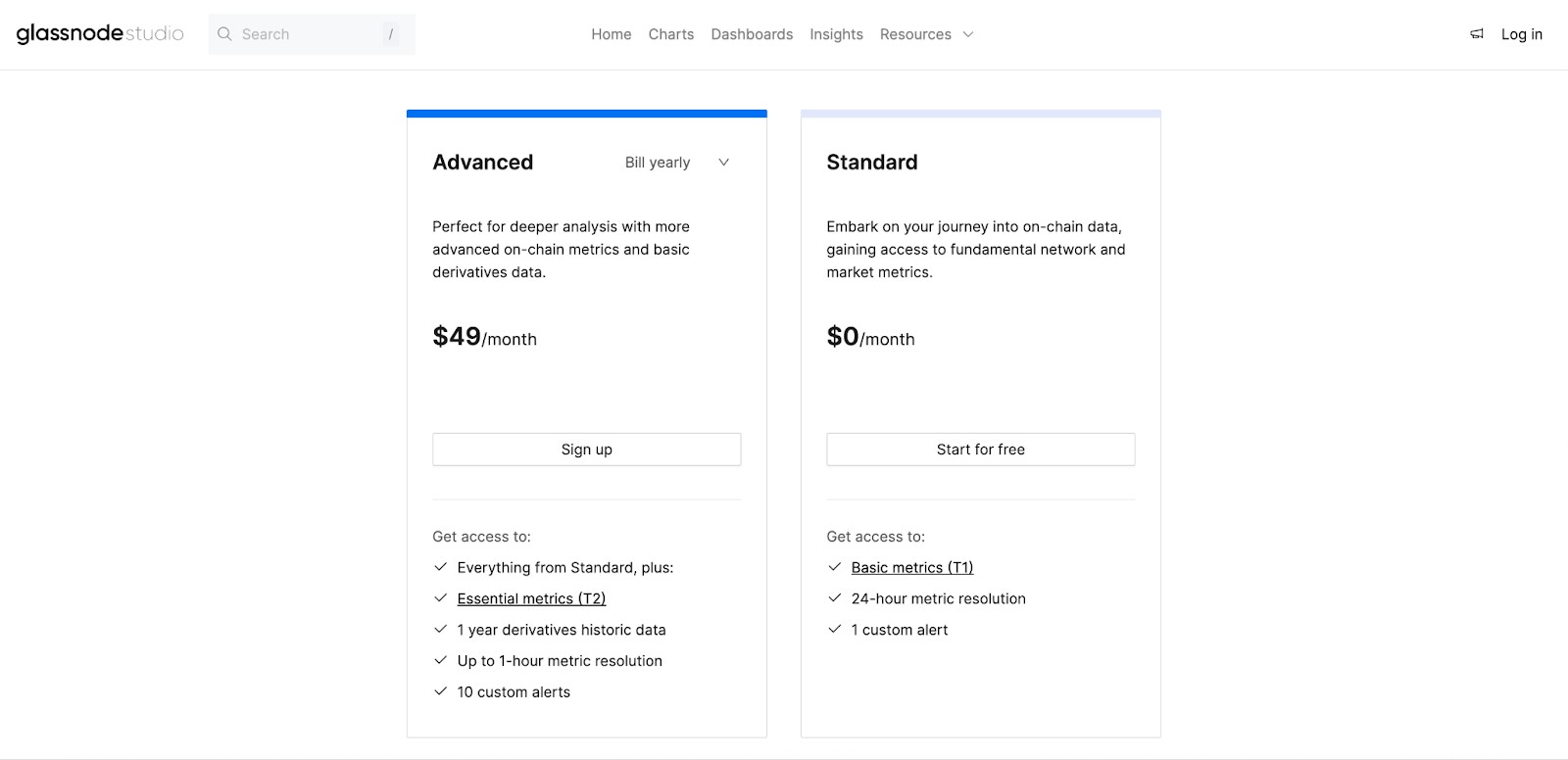
Glassnode continues to be one of the most trusted names for on-chain analytics. It tracks Bitcoin, Ethereum, and major altcoins across metrics like exchange inflows, active addresses, and realized capitalization. Currently, Glassnode monitors more than 35 blockchains and aggregates data from over 80 exchanges. It provides a free tier that includes key charts such as Net Unrealized Profit/Loss, HODL waves, and active supply. The platform is widely used by institutional analysts and traders to gauge long-term market sentiment based on wallet behavior.
Key features
advanced on-chain data for over 35 blockchains;
market metrics like exchange flows and realized cap;
historical trend analysis for Bitcoin and Ethereum;
free access to key metrics and charts;
professional-grade interface with weekly market updates.
These open source blockchain analysis tools and free dashboards are ideal for retail traders, analysts, and students who want to explore data without paying high fees.
How to use blockchain analysis tools
Getting started with blockchain analysis tools can seem overwhelming at first, especially with so many blockchain analytics platforms available in 2026. To simplify the process, we broke it down into clear steps. Whether you’re focused on compliance, fraud detection, or gaining insights into DeFi activity, this roadmap will help you set up, analyze data, and act on valuable insights effectively.
Define your goal: compliance, fraud detection, or DeFi market insights.
Choose a tool: Chainalysis for compliance, Dune for free blockchain analysis, etc.
Set up: connect APIs, exchanges, or wallets.
Analyze blockchain data: monitor transactions, wallets, market signals.
Act on insights: update compliance, detect risks, or plan trades.
Understanding blockchain analysis tools
Blockchain analysis tools (also called blockchain analytics tools or blockchain data analytics tools) are specialized blockchain monitoring software that help you visualize, track, and analyze on-chain data. Think of them as forensic software for blockchain networks.
These platforms detect illicit activities, monitor wallet activity, improve compliance, and even predict market trends. Many blockchain analytics companies also offer compliance APIs, fraud detection systems, and blockchain analysis software free tiers for beginners.
Why are they important?
Blockchain data is massive and complex. Without analytics, it’s almost impossible to track suspicious activity or meet compliance requirements. Blockchain analytics software acts as a map that shows how funds move, making transactions transparent and regulatory checks easier.
Key benefits of blockchain analysis tools
Spot hidden activity. Detects unusual wallet movements, fraud, and potential money laundering.
Bring clarity to transactions. Understand the full transaction flow for accountability.
Stay compliant. Meet AML and KYC standards with real-time oversight.
Support decisions. Traders and companies use blockchain data analysis tools to gain insights into markets and DeFi activity.
Who uses blockchain analytics?
Exchanges & blockchain analysis companies to strengthen compliance and prevent fraud.
Law enforcement agencies to track illicit crypto activities.
Traders & investors to monitor wallets and understand on-chain market trends.
Developers to improve DApp security and smart contract reliability.
Types of blockchain analysis tools
Blockchain analysis tools come in different formats, each serving a specific purpose. From compliance and fraud detection to market research and DeFi security, these blockchain analytics platforms cover all aspects of on-chain activity. Below are the main categories of blockchain analysis software used in 2026.
Transaction monitoring tools
These tools track blockchain activity in real time to detect suspicious or fraudulent behavior. They monitor large transfers, unusual trading patterns, and high-risk wallet interactions as they happen. Financial institutions and exchanges use them to prevent money laundering, hacks, and unauthorized fund movements.
Wallet analysis tools
Wallet analysis tools help identify who might control a crypto address by analyzing transaction patterns, token holdings, and on-chain behavior. They provide wallet risk scores, flag suspicious wallets, and group addresses under common ownership clusters. These tools are vital for compliance checks, investigations, and counterparty risk reviews.
Market intelligence platforms
These analytics platforms give traders and investors deeper insight into blockchain market activity. They combine on-chain data, exchange flows, and network health indicators to show trends in liquidity, accumulation, or whale behavior. Market intelligence tools help traders spot early signals before price movements occur. MTracer fits into this category by highlighting real-time whale inflows and outflows and summarizing them through its WADI index, making capital flow easier to interpret even for beginners.
Compliance and risk assessment tools
Compliance tools are designed to help crypto companies meet AML and KYC regulations. They screen addresses against sanctions lists, score wallet risk levels, and generate reports for regulators. By identifying links to illicit activity, these platforms reduce exposure to compliance breaches and financial crime.
Smart contract analysis tools
These tools examine and test DeFi smart contracts for security flaws and logic errors. They simulate transactions, scan for vulnerabilities, and audit the code to ensure funds are safe before deployment. Developers and auditors use them to prevent exploits, verify contract performance, and maintain trust in decentralized protocols.

How blockchain analytics impact industries
The influence of blockchain analytics tools goes far beyond traders and investors. Today, entire industries rely on blockchain monitoring tools and blockchain data analysis software to ensure transparency, security, and compliance. From banking to law enforcement, supply chain management, and crypto exchanges, these platforms reshape how organizations use blockchain data in 2026.
Financial institutions: prevent fraud, meet AML standards.
Law enforcement: track illicit blockchain activities.
Supply chains: improve transparency and trust.
Exchanges: boost security and compliance.
Pros and cons of blockchain analytics tools
Like any technology, blockchain analytics tools come with both strengths and drawbacks. While they provide real-time fraud detection, streamlined compliance, and efficient monitoring, they can also be costly and complex to master. Before choosing the best blockchain analysis software for your needs, it’s important to weigh these advantages and disadvantages.
- Pros
- Cons
real-time fraud detection;
easier compliance with AML/KYC;
efficiency with automated monitoring.
high cost of premium blockchain analytics platforms;
learning curve for beginners;
privacy risks in over-monitoring.
If you’re using blockchain analysis tools to track transactions or assess counterparties, it also helps to trade on reliable, compliant exchanges. You can explore our list of best crypto exchanges in your region to find trusted platforms that align with your local regulations and offer smooth trading access.
| OKX | Coinbase | Crypto.com | Cryptohopper | BTCC | |
|---|---|---|---|---|---|
|
Min. Deposit, $ |
10 | 10 | 1 | No | 10 |
|
Coins Supported |
600+ | 400+ | 400+ | 1000 | 399 |
|
Spot Taker fee, % |
0.1 | 0.5 | 0.5 | 0 | 0.3 |
|
Spot Maker Fee, % |
0.08 | 0.5 | 0.25 | 0 | 0.2 |
|
Alerts |
Yes | Yes | Yes | Yes | No |
|
Copy trading |
Yes | No | No | Yes | Yes |
|
TU overall score |
8.48 | 7.84 | 7.8 | 7.76 | 7.6 |
|
Open an account |
Go to broker Your capital is at risk. |
Go to broker Your capital is at risk. |
Go to broker Your capital is at risk. |
Go to broker Your capital is at risk. |
Go to broker Your capital is at risk.
|
Real-time fraud detection and compliance management with blockchain analysis tools

Modern blockchain analysis tools have evolved far beyond simple transaction trackers. Today, they serve as full-scale blockchain analytics platforms equipped with advanced features for real-time fraud detection and compliance management. By leveraging machine learning, these solutions can identify unusual patterns in transaction flows and flag potential risks before they escalate, making them especially valuable in decentralized finance (DeFi).
For businesses and traders, this proactive fraud detection is only part of the value. Many leading blockchain analytics companies now integrate their tools with automated compliance systems. This ensures that organizations remain aligned with AML and KYC regulations while reducing the risk of costly violations.
For beginners, adopting blockchain analysis software means more than just monitoring transactions; it provides a safeguard against financial crime while simplifying regulatory requirements. In a fast-changing crypto landscape, having access to reliable blockchain monitoring tools is no longer optional; it’s an essential step toward risk management, security, and long-term success.
Conclusion
The evolution of blockchain analysis tools has transformed how businesses, law enforcement, and traders navigate the digital asset landscape, making transparency and compliance more accessible than ever. Leading platforms like Chainalysis and Elliptic empower organizations to detect fraud and comply with global regulations in real time, while free tools such as Dune Analytics open up on-chain insights to the wider community. The key takeaway is that robust blockchain analytics are no longer optional but a fundamental pillar for security, regulatory alignment, and intelligent market decisions. Investing in the right analytics platform ensures that users stay ahead of risks and build trust in an increasingly complex crypto ecosystem.
FAQs
How do blockchain analysis tools support regulatory compliance across different jurisdictions?
Can blockchain analysis tools improve transparency in supply chain management?
What types of users benefit most from blockchain analysis platforms?
What are the main challenges faced when choosing a blockchain analytics platform?
Editors' Top Picks and Insights





Related Articles
Team that worked on the article
Andrey Mastykin is an experienced author, editor, and content strategist who has been with Traders Union since 2020. As an editor, he is meticulous about fact-checking and ensuring the accuracy of all information published on the Traders Union platform.
Dan Blystone began his trading career in 1998 as an arbitrage clerk on the floor of the Chicago Mercantile Exchange (CME). He later traded bond and Eurex futures at proprietary firms such as Altea Trading, gaining valuable experience in high-frequency trading and risk management.
Chinmay Soni is a financial analyst with more than 5 years of experience in working with stocks, Forex, derivatives, and other assets. As a founder of a boutique research firm and an active researcher, he covers various industries and fields, providing insights backed by statistical data.
An investor is an individual, who invests money in an asset with the expectation that its value would appreciate in the future. The asset can be anything, including a bond, debenture, mutual fund, equity, gold, silver, exchange-traded funds (ETFs), and real-estate property.
CFD is a contract between an investor/trader and seller that demonstrates that the trader will need to pay the price difference between the current value of the asset and its value at the time of contract to the seller.
Cryptocurrency is a type of digital or virtual currency that relies on cryptography for security. Unlike traditional currencies issued by governments (fiat currencies), cryptocurrencies operate on decentralized networks, typically based on blockchain technology.
Index in trading is the measure of the performance of a group of stocks, which can include the assets and securities in it.
Forex trading, short for foreign exchange trading, is the practice of buying and selling currencies in the global foreign exchange market with the aim of profiting from fluctuations in exchange rates. Traders speculate on whether one currency will rise or fall in value relative to another currency and make trading decisions accordingly. However, beware that trading carries risks, and you can lose your whole capital.

-
 Afghanistan
-
 Albania
-
 Algeria
-
 Angola
-
 Argentina
-
 Armenia
-
 Australia
-
 Austria
-
 Azerbaijan
-
 Bahamas
-
 Bahrain
-
 Bangladesh
-
 Belarus
-
 Belgium
-
 Bolivia
-
 Botswana
-
 Brazil
-
 Brunei
-
 Bulgaria
-
 Cambodia
-
 Cameroon
-
 Canada
-
 Chile
Chile
-
 China
China
-
 Colombia
-
 Congo
Congo
-
 Costa Rica
-
 Cote d'Ivoire
-
 Croatia
-
 Cuba
Cuba
-
 Cyprus
-
 Czechia
-
 DR Congo
-
 Denmark
-
 Dominican Republic
-
 Ecuador
-
 Egypt
Egypt
-
 El Salvador
-
 Estonia
-
 Eswatini
-
 Ethiopia
-
 Finland
-
 France
-
 Georgia
-
 Germany
-
 Ghana
Ghana
-
 Greece
-
 Haiti
Haiti
-
 Hong Kong
-
 Hungary
-
 India
India
-
 Indonesia
-
 Iran, Islamic republic
-
 Iraq
Iraq
-
 Ireland
-
 Israel
-
 Italy
Italy
-
 Jamaica
-
 Japan
Japan
-
 Jordan
-
 Kazakhstan
-
 Kenya
Kenya
-
 Korea
Korea
-
 Kuwait
-
 Kyrgyzstan
-
 Laos
Laos
-
 Latvia
-
 Lebanon
-
 Lesotho
-
 Libya
Libya
-
 Lithuania
-
 Luxembourg
-
 Madagascar
-
 Malaysia
-
 Malta
Malta
-
 Mauritius
-
 Mexico
-
 Moldova
-
 Mongolia
-
 Montenegro
-
 Morocco
-
 Mozambique
-
 Myanmar
-
 Namibia
-
 Nepal
Nepal
-
 Netherlands
-
 New Zealand
-
 Nigeria
-
 North Macedonia
-
 Norway
-
 Oman
Oman
-
 Pakistan
-
 Palestine
-
 Panama
-
 Papua New Guinea
-
 Paraguay
-
 Peru
Peru
-
 Philippines
-
 Poland
-
 Portugal
-
 Puerto Rico
-
 Qatar
Qatar
-
 Reunion
-
 Romania
-
 Rwanda
-
 Saudi Arabia
-
 Serbia
-
 Singapore
-
 Slovakia
-
 Slovenia
-
 Somalia
-
 South Africa
-
 Spain
Spain
-
 Sri Lanka
-
 Sweden
-
 Switzerland
-
 Syria
Syria
-
 Taiwan
-
 Tajikistan
-
 Tanzania
-
 Thailand
-
 Trinidad and Tobago
-
 Tunisia
-
 Turkey
-
 UAE
UAE
-
 Uganda
-
 Ukraine
-
 United Kingdom
-
United States
-
 Uruguay
-
 Uzbekistan
-
 Venezuela
-
 Vietnam
-
 Yemen
Yemen
-
 Zambia
-
 Zimbabwe
- Forex
- Crypto












