
Atomic Wallet Review: Full Guide



Editorial Note: While we adhere to strict Editorial Integrity, this post may contain references to products from our partners. Here's an explanation for How We Make Money. None of the data and information on this webpage constitutes investment advice according to our Disclaimer.
Atomic wallet is safe to use for small balances and daily transfers, but it is not risk-free. The 2023 hack showed vulnerabilities, and high in-app swap fees remain a drawback. For stronger protection, many users combine it with hardware wallets.
Atomic crypto wallet has long been positioned as a convenient, non-custodial wallet with multi-asset support, swap capabilities, and staking options. But after a high-profile breach in mid-2023, scrutiny over its security and legitimacy has intensified. In this 2026 review, we go beyond surface claims to examine in detail its technical risks, financial model, user sentiment, and where it stands in the modern crypto wallet landscape.
What is the Atomic wallet?
Atomic wallet is a decentralized (non-custodial) crypto wallet that first appeared in 2017 (or early 2018 depending on source) under the umbrella of the Changelly founder Konstantin Gladych. It supports hundreds to over a thousand coins and tokens across many blockchains, and combines wallet, swap, staking, and fiat on-ramp functionality.
Unlike custodial services, Atomic claims that private keys are encrypted and stored locally on users’ devices, meaning that the user retains ultimate control and responsibility. The wallet is available for desktop (Windows, macOS, Linux) and mobile (iOS, Android) platforms.

Pros and cons of Atomic wallet
- Pros
- Cons
Users hold their private keys locally.
Supports hundreds of assets across many blockchains.
Built-in staking and yield features.
In-app swaps and fiat purchase for convenience.
No mandatory KYC for basic wallet functions.
Ongoing development and active user base.
Security breach in 2023 resulted in significant user losses.
High swap and fiat on-ramp fees.
Closed-source code limits independent audits.
No hardware wallet integration for cold storage.
No 2FA or multisig for added protection.
Support criticized for poor communication during crises.
Phishing and impersonation scams remain a risk.
How does Atomic wallet work?
Atomic wallet offers a versatile, user-friendly platform for managing a wide range of cryptocurrencies across desktop and mobile devices. To start, users download and install the app, then create a strong password and securely save a 12-word recovery phrase, which is critical for regaining access if devices are lost or damaged. The wallet supports sending and receiving crypto using blockchain-specific addresses, providing flexibility across hundreds of tokens.
One standout feature is the integrated exchange, which leverages multiple partners to allow easy swapping of cryptocurrencies directly within the app, offering competitive rates and eliminating the need to visit external exchanges. Users can also stake assets such as Cosmos, Tezos, Cardano, Polkadot, and others, earning passive rewards while maintaining control over their tokens.
Privacy is reinforced by the wallet’s noncustodial nature: private keys are encrypted and stored only on users’ devices, and no personal data collection is required. Atomic offers multi-platform synchronization and easy management, catering both to crypto beginners and experienced traders looking to diversify holdings across blockchains.
Atomic swaps
Atomic wallet’s atomic swaps are a standout feature that lets users exchange cryptocurrencies directly between wallets across different blockchains – without relying on a centralized intermediary.
Using Hashed Timelock Contracts (HTLCs), these swaps cryptographically lock both parties’ funds, ensuring the transaction either completes successfully or automatically reverses so each trader keeps their original assets. This eliminates counterparty risk entirely.
When discussing costs, it’s worth noting that Atomic wallet exchange fees vary depending on whether you use built-in swap partners or the native atomic swap mechanism. Atomic swaps typically only require blockchain network fees, making them a more transparent and predictable option compared to partner exchanges that may charge service spreads.
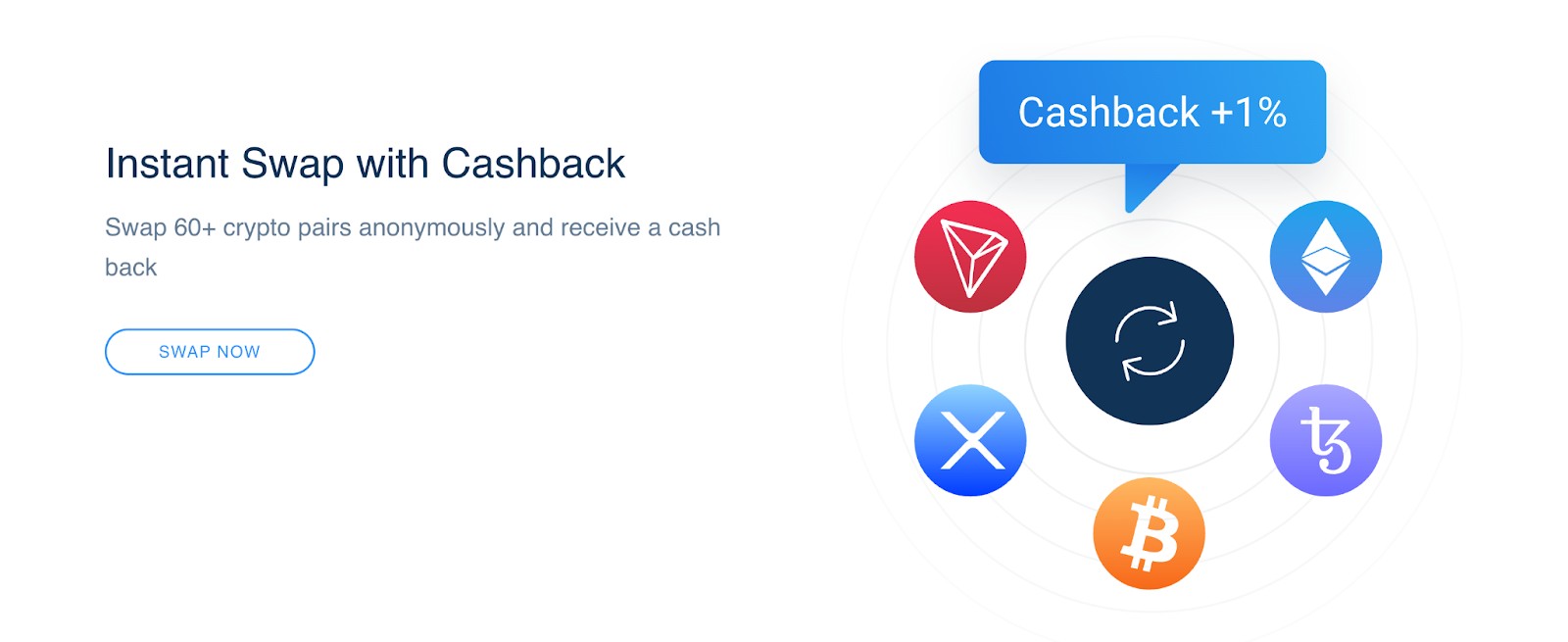
This peer-to-peer exchange provides enhanced privacy and security since users maintain control of their private keys throughout the process. It represents true decentralization by removing the need for a trusted third party. However, atomic swaps generally support a limited number of compatible coin pairs, such as Bitcoin and Litecoin, due to technical and blockchain compatibility constraints.
Most users rely on integrated exchange services within the wallet for broader asset swapping, as atomic swaps can require more time and finding matching counterparties. Despite this, atomic swaps on Atomic wallet serve as a pioneering solution for cross-chain trading, giving users maximum trustlessness and control while minimizing fees and risks associated with centralized exchanges.
This feature highlights Atomic wallet’s commitment to decentralized finance principles, offering a more private and secure way to trade crypto directly, especially valuable for advanced users seeking noncustodial, cross-chain swaps without sacrificing security or control.
Atomic wallet features
Atomic wallet offers a useful set of features, making it a versatile choice for cryptocurrency users looking to manage multiple assets in one place.
Wide asset support. The wallet supports a vast range of cryptocurrencies, with the platform claiming access to over 1000 coins and tokens. This extensive coverage includes major coins like Bitcoin, Ethereum, and newer DeFi tokens, enabling diverse portfolio management.
In-wallet swaps and exchanges. Atomic wallet allows users to swap cryptocurrencies directly within the app. It leverages partner liquidity providers to facilitate fast and secure token exchanges without needing to leave the wallet.
Staking and yield opportunities. The wallet supports staking for more than 20 cryptocurrencies, offering competitive annual percentage yields (APYs), sometimes reaching as high as 20%. This feature lets users earn passive income by locking their assets directly through the wallet.
Fiat on-ramp. Users can buy crypto with credit or debit cards through partnered providers such as Simplex. While this provides convenience, the fees for these purchases tend to be higher compared to traditional exchanges.
Decentralized and no KYC required for core use. Atomic wallet does not require users to complete Know Your Customer (KYC) verification to use its basic functions, preserving user privacy. However, KYC may be required for fiat purchases due to regulatory demands.
Native token (AWC). The wallet issues its own token, Atomic wallet Coin (AWC), which is used to incentivize usage through cashback rewards, membership tier benefits, and other incentives.
If you often trade the coins you store, it helps to pair your wallet with a trusted local exchange. You can explore the best crypto exchanges in your region to find one that makes deposits and withdrawals smooth and affordable.
| Crypto | Foundation year | Min. Deposit, $ | Coins Supported | Spot Taker fee, % | Spot Maker Fee, % | Alerts | Copy trading | Tier-1 regulation | TU overall score | Open an account | |
|---|---|---|---|---|---|---|---|---|---|---|---|
| Yes | 2012 | 10 | 249 | 0.5 | 0.5 | Yes | No | Yes | 8.6 | Go to broker Your capital is at risk. |
|
| Yes | 2017 | 10 | 329 | 0.1 | 0.08 | Yes | Yes | No | 8.48 | Go to broker Your capital is at risk. |
|
| Yes | 2016 | 1 | 250 | 0.5 | 0.25 | Yes | No | Yes | 8.44 | Go to broker Your capital is at risk. |
|
| Yes | 2011 | 10 | 278 | 0.4 | 0.25 | Yes | Yes | Yes | 8.32 | Go to broker Your capital is at risk. |
|
| Yes | 2018 | No | 1000 | 0 | 0 | Yes | Yes | No | 7.85 | Go to broker Your capital is at risk. |
Atomic wallet fees
Atomic wallet’s fee structure is straightforward but has notable cost considerations that users should be aware of when managing their crypto assets.
Network and blockchain fees. When sending or staking crypto, users pay standard gas or miner/validator fees set by the blockchain network. These fees are outside Atomic wallet’s control and vary greatly depending on network congestion. Ethereum gas fees, for example, can spike significantly during high demand periods.
Sending crypto fees. The cost to send tokens varies by blockchain and momentary network activity. Fees can range from a few cents on low-cost chains like Binance Smart Chain or Polygon, to several dollars on networks like Ethereum.
Receiving crypto fees. Receiving digital assets into your Atomic wallet is free, consistent with standard wallet operations.
Swap, exchange, and in-wallet trading fees. Atomic wallet enables in-app token swaps via third-party liquidity providers. However, these swaps usually involve spreads or partner-imposed margins ranging from 1% to over 3%, with the potential to be higher in markets or for token pairs with low liquidity. This makes swaps convenient but can add up for frequent traders.
Fiat on-ramp fees. Purchasing cryptocurrency through Atomic’s partners (such as Simplex) incurs relatively high fees, often in the range of 5% or a fixed minimum fee plus additional processor charges. This makes buying crypto through Atomic less cost-effective versus direct exchange accounts.
Staking fees. When users stake tokens like Cosmos or Tezos via Atomic wallet, validator commissions are deducted from the staking rewards. These commissions typically range between 5% to 15% depending on the chosen validator.
No subscription or maintenance fees. Atomic does not charge account setup fees, monthly subscriptions, or hidden charges, making the wallet accessible.
Due to the combined impact of swap spreads, partner margins, and fiat purchase fees, Atomic wallet is best suited for secure self-custody and occasional trading or staking rather than frequent swapping or high-volume fiat-to-crypto purchases. Traders seeking to minimize costs might prefer using dedicated centralized exchanges or bridging solutions for large or frequent transactions. Nonetheless, Atomic balances ease of use and wide asset support with transparent fee structures for most users.
Is Atomic wallet a cold wallet?
No, Atomic is fundamentally a hot wallet. It runs on internet-connected devices, and private keys reside locally but online. This makes it more convenient but also less secure than cold storage.
It doesn't provide native cold storage hardware integration (e.g. Trezor, Ledger) to sign transactions offline. Many security-conscious users use hot wallets only for small daily amounts and pair them with hardware wallets for “cold storage.”
Thus, Atomic is a hot wallet solution with some advanced features, not a cold wallet in itself.
How safe is an Atomic wallet?
Atomic wallet is non-custodial: your private keys and 12-word seed are generated and encrypted locally on your device, not held by the company. That’s a strong security model when your device is clean and your backups are airtight – but it also means a lost or exposed seed = lost funds. If you’re asking “is Atomic wallet safe?”, the honest answer is: it’s as safe as your device hygiene and backup discipline.
Core wallet logic is user-side, but some in-app exchange/on-ramp modules and backend integrations are closed-source. This reduces community auditability versus fully open projects. Atomic says releases are independently security-checked, yet the mixed posture is worth noting for readers worried about Atomic wallet scams vs legitimate software.
June 2023 incident
A widely reported Atomic wallet hack in June 2023 led to estimated losses near $100M across ~5,500 wallets. Multiple investigators linked the operation to state-sponsored actors. The company’s post-mortem suggested likely vectors were compromised user devices, man-in-the-middle/local intrusions, or targeted infrastructure abuse – rather than a direct break of on-device key encryption. Since then, Atomic reports no comparable recurrences, but legal complaints from affected users continue. For anyone probing “is Atomic wallet legit?”, this history matters: the product is legitimate, yet past exposure underscores that hot wallets are not invulnerable.
Searches for Atomic wallet scam or Atomic wallet scams often conflate two things:
the 2023 compromise (a real security incident);
classic phishing/impersonation scams (fake support, fake updates, seed-steal websites) that target users of many wallets.
Practical risk view:
Atomic wallet is safe as a hot wallet when used on a trusted, malware-free device and paired with strict seed hygiene.
Use it for day-to-day balances; keep long-term holdings on a hardware wallet (Atomic integrates with Trezor/Ledger) for cold-storage protection.
Treat any “Atomic wallet support” that asks for your seed as a red-flag scam.
Alternatives to Atomic wallet
If Atomic wallet doesn't fit your needs or risk tolerance, consider these alternatives that offer distinct strengths:
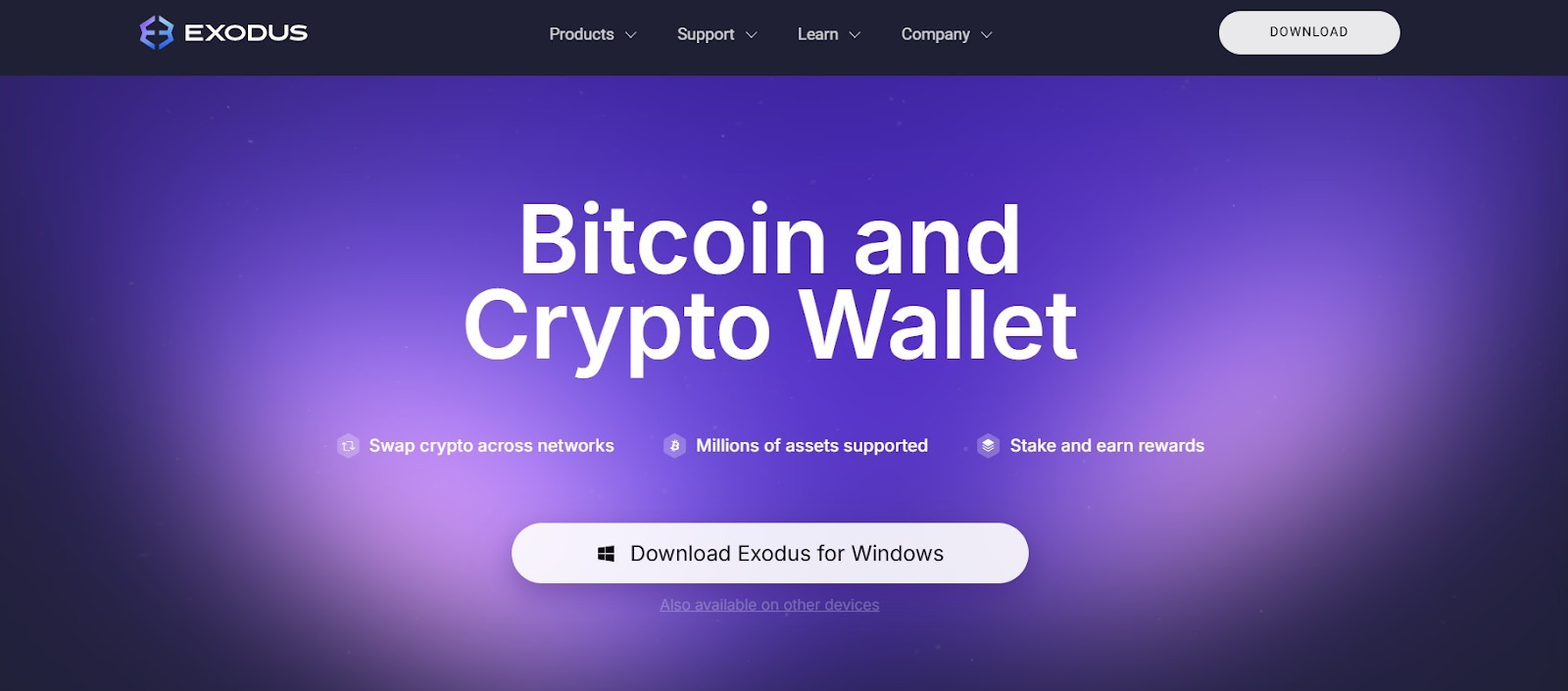
Exodus wallet
Known for a polished, user-friendly interface, Exodus offers excellent hardware wallet integration with Trezor and Ledger, lower swap fees, and a rich set of staking and portfolio tracking features, making it ideal for users who want both simplicity and security.
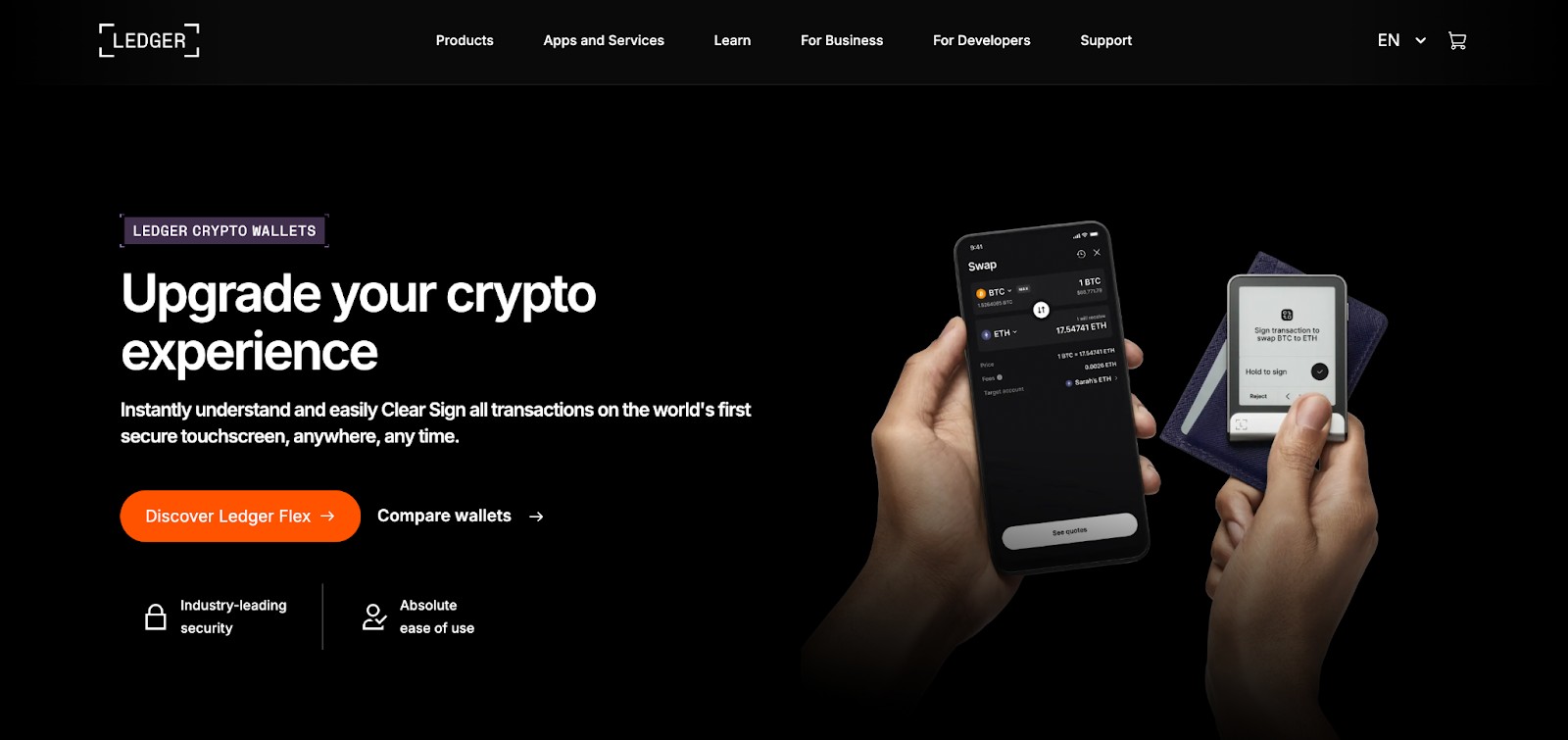
Ledger Live + Ledger hardware
Combining Ledger’s industry-leading cold storage hardware wallets with the Ledger Live app provides unmatched security for managing crypto offline. This approach suits security-conscious users who prefer cold storage while maintaining intuitive portfolio access.
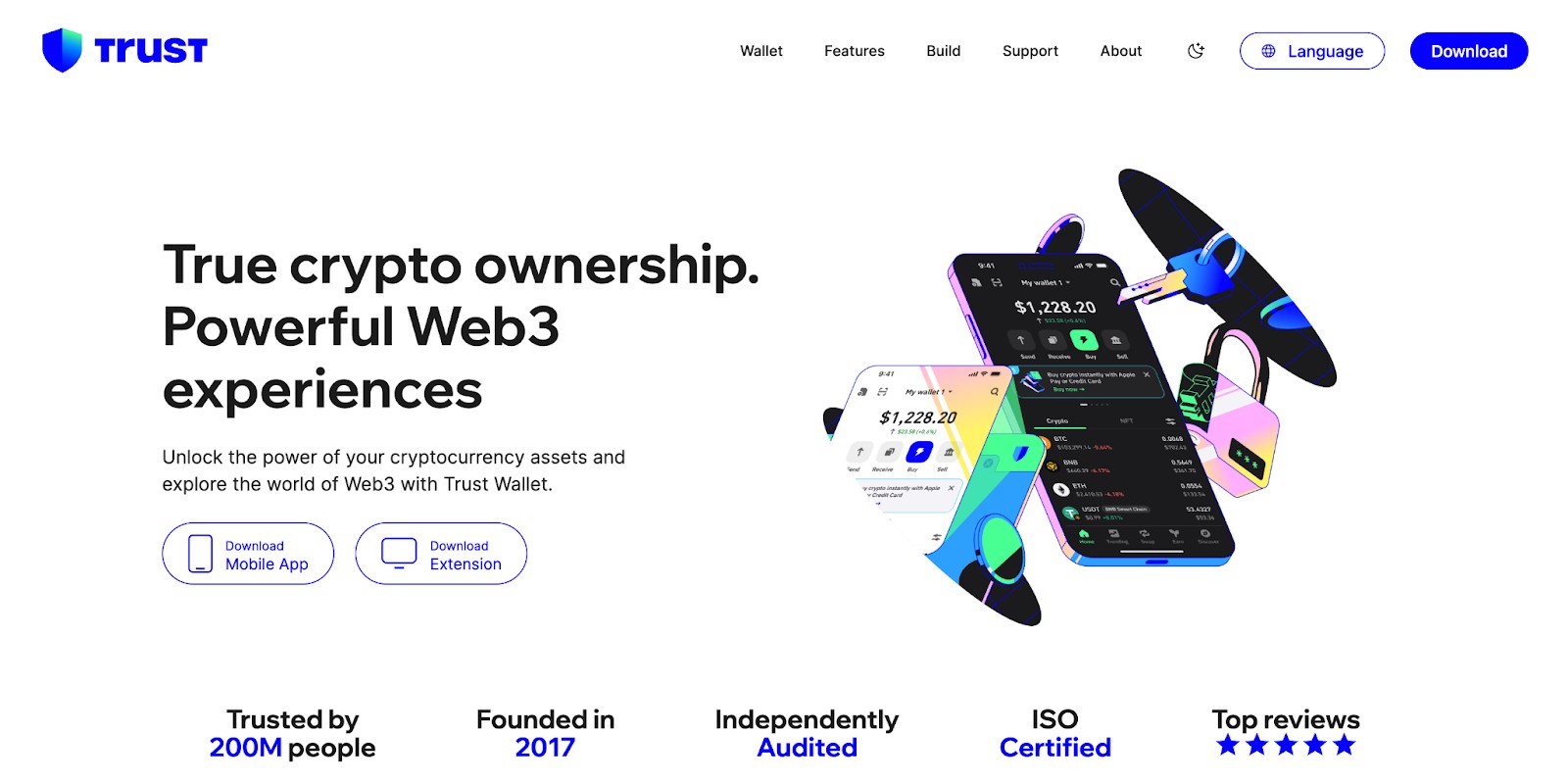
MetaMask / Trust wallet
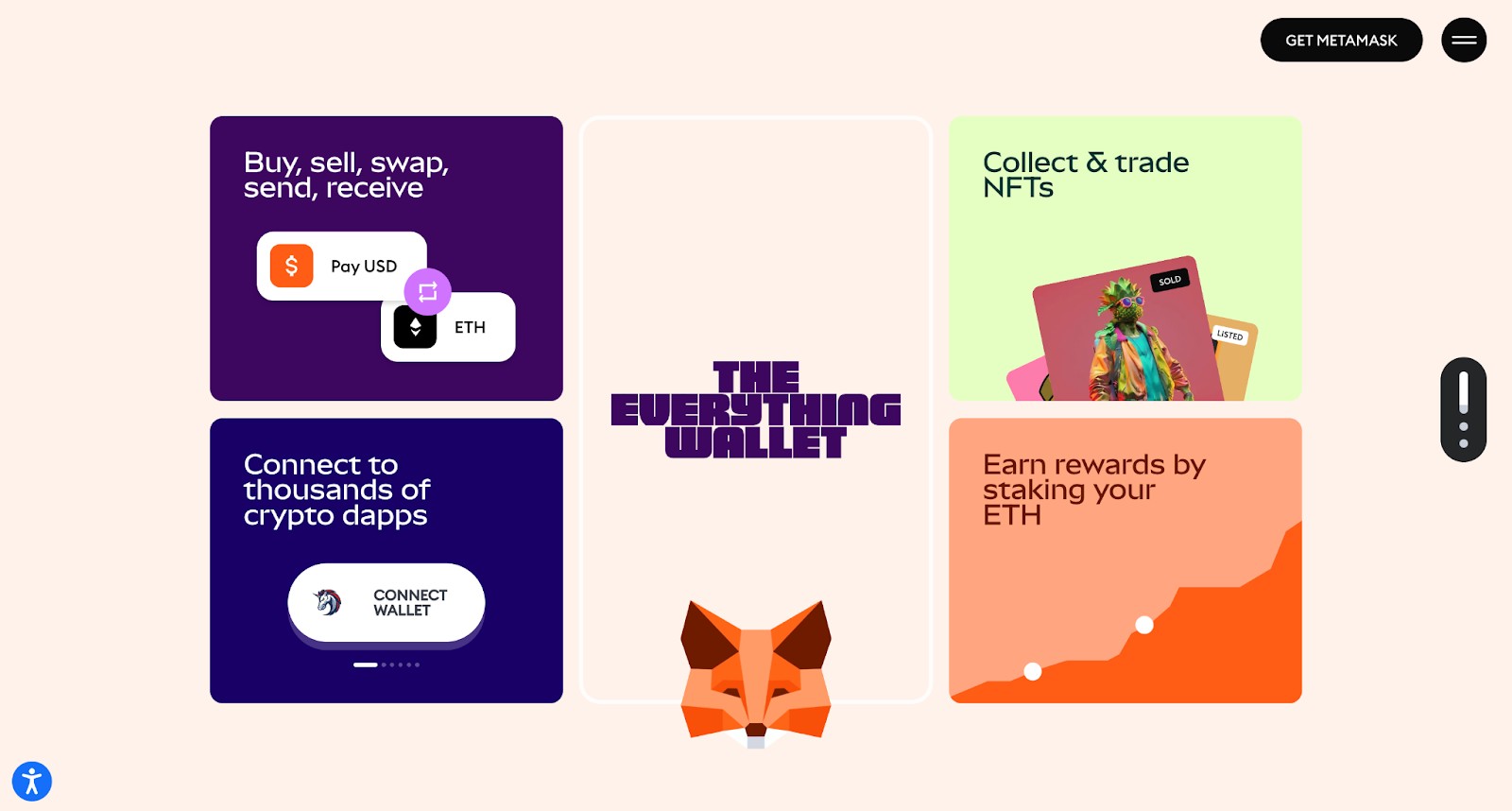
These wallets excel in decentralized finance (DeFi) and Web3 dApp integration. MetaMask is the de facto Ethereum and EVM-chain wallet, offering deep smart contract and DApp access. Trust wallet supports a wide range of chains and makes DeFi and NFT engagement seamless on mobile devices.
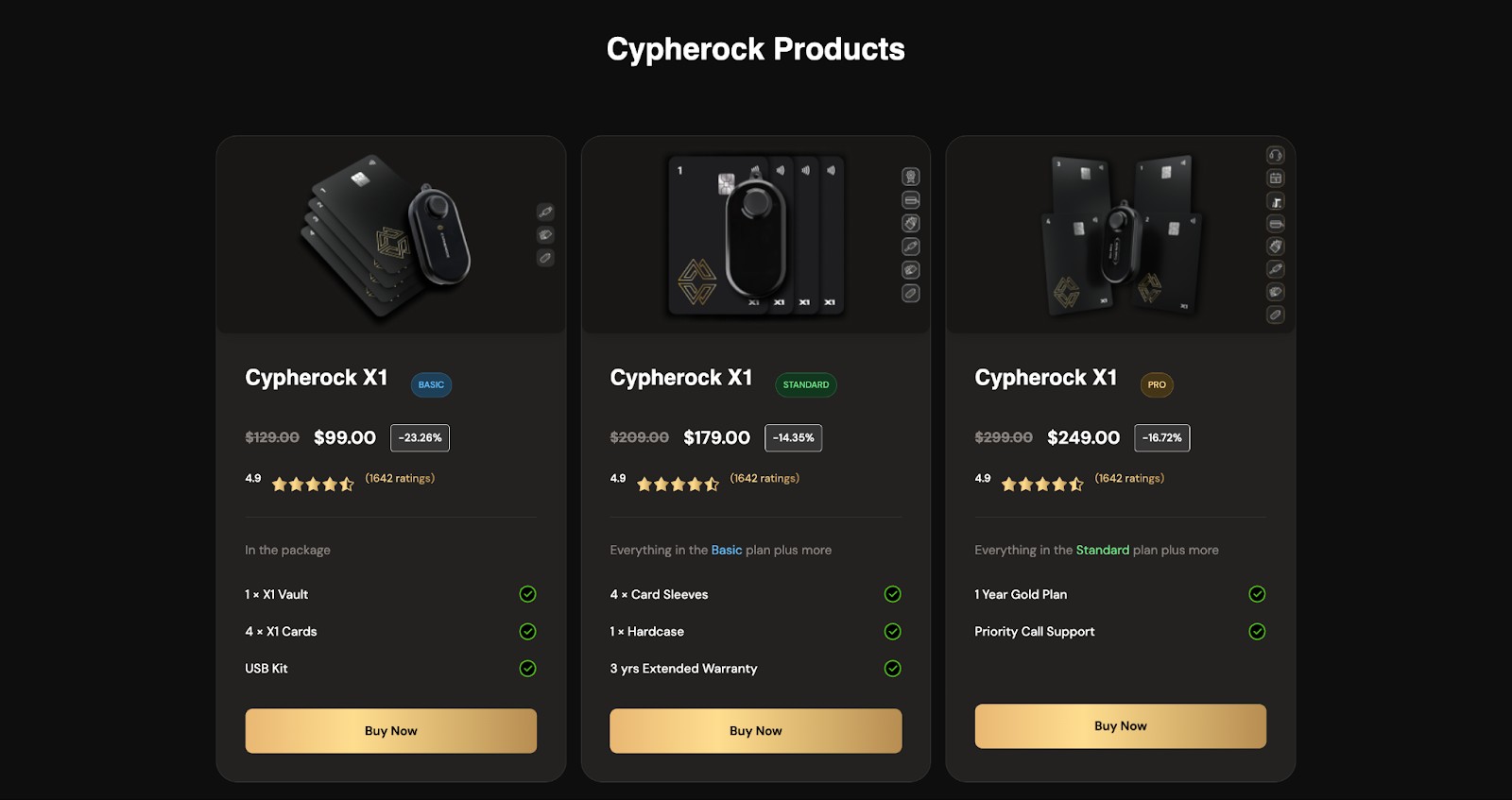
Cypherock X1
A newer hybrid offering that combines hardware-level security with convenience. It uses cryptographic multi-party computation (MPC) instead of traditional seed phrases, appealing to users seeking enhanced security alongside modern usability.
Convenience is real, but so is the responsibility

When I first tried Atomic wallet, what impressed me most was how simple it felt to manage several assets without jumping between different apps. Over time, I realized that the convenience came with trade-offs. I experienced first-hand how slow the internal swaps could be when markets were moving fast, and the fees often felt heavier than expected. After the 2023 hack, I reduced the amounts I kept there and paired the wallet with a hardware device. That combination gave me the comfort of flexibility for daily use while keeping larger sums elsewhere. My view is shaped by years of alternating between hot and cold storage: Atomic is practical for small balances and quick actions, but it requires a disciplined approach to security and risk.
Conclusion
Atomic Wallet remains a compelling choice for crypto users seeking convenience and multi-asset support, but the 2023 security breach highlights the paramount importance of robust safeguards. Despite innovative features and user-friendly design, the hack exposed significant vulnerabilities, emphasizing that convenience should never overshadow security in crypto management. As users weigh Atomic Wallet’s diverse capabilities against its recent risks, the crucial lesson is clear: prioritize platforms that continuously invest in security enhancements. Ultimately, in the ever-evolving digital asset landscape, trust is earned not only by features, but by proactive protection.
FAQs
What security measures should users take when using Atomic Wallet?
How does Atomic Wallet compare to cold storage solutions in terms of security and usability?
What types of transactions incur no fees in Atomic Wallet?
What are the limitations of Atomic Wallet’s atomic swap functionality?
Editors' Top Picks and Insights

Worldcoin on Wall Street: From iris scans to ETF

Mark Cuban's wealth philosophy: Why stocks matter more than salary or crypto

Dangerous but indispensable: Why the crypto market needs bridges

Markus Levin: DePIN could power the AI agent economy

Pokémon cards for $2,500: How collectibles became a new form of gambling

The privacy paradox: How the crypto mixer market has changed
Related Articles
Team that worked on the article
Andrey Mastykin is an experienced author, editor, and content strategist who has been with Traders Union since 2020. As an editor, he is meticulous about fact-checking and ensuring the accuracy of all information published on the Traders Union platform.
Dan Blystone began his trading career in 1998 as an arbitrage clerk on the floor of the Chicago Mercantile Exchange (CME). He later traded bond and Eurex futures at proprietary firms such as Altea Trading, gaining valuable experience in high-frequency trading and risk management.
Chinmay Soni is a financial analyst with more than 5 years of experience in working with stocks, Forex, derivatives, and other assets. As a founder of a boutique research firm and an active researcher, he covers various industries and fields, providing insights backed by statistical data.
Risk management is a risk management model that involves controlling potential losses while maximizing profits. The main risk management tools are stop loss, take profit, calculation of position volume taking into account leverage and pip value.
Copy trading is an investing tactic where traders replicate the trading strategies of more experienced traders, automatically mirroring their trades in their own accounts to potentially achieve similar results.
Ethereum is a decentralized blockchain platform and cryptocurrency that was proposed by Vitalik Buterin in late 2013 and development began in early 2014. It was designed as a versatile platform for creating decentralized applications (DApps) and smart contracts.
Index in trading is the measure of the performance of a group of stocks, which can include the assets and securities in it.
Forex leverage is a tool enabling traders to control larger positions with a relatively small amount of capital, amplifying potential profits and losses based on the chosen leverage ratio.

-
 Afghanistan
-
 Albania
-
 Algeria
-
 Angola
-
 Argentina
-
 Armenia
-
 Australia
-
 Austria
-
 Azerbaijan
-
 Bahamas
-
 Bahrain
-
 Bangladesh
-
 Belarus
-
 Belgium
-
 Bolivia
-
 Botswana
-
 Brazil
-
 Brunei
-
 Bulgaria
-
 Cambodia
-
 Cameroon
-
 Canada
-
 Chile
Chile
-
 China
China
-
 Colombia
-
 Congo
Congo
-
 Costa Rica
-
 Cote d'Ivoire
-
 Croatia
-
 Cuba
Cuba
-
 Cyprus
-
 Czechia
-
 DR Congo
-
 Denmark
-
 Dominican Republic
-
 Ecuador
-
 Egypt
Egypt
-
 El Salvador
-
 Estonia
-
 Eswatini
-
 Ethiopia
-
 Finland
-
 France
-
 Georgia
-
 Germany
-
 Ghana
Ghana
-
 Greece
-
 Haiti
Haiti
-
 Hong Kong
-
 Hungary
-
 India
India
-
 Indonesia
-
 Iran, Islamic republic
-
 Iraq
Iraq
-
 Ireland
-
 Israel
-
 Italy
Italy
-
 Jamaica
-
 Japan
Japan
-
 Jordan
-
 Kazakhstan
-
 Kenya
Kenya
-
 Korea
Korea
-
 Kuwait
-
 Kyrgyzstan
-
 Laos
Laos
-
 Latvia
-
 Lebanon
-
 Lesotho
-
 Libya
Libya
-
 Lithuania
-
 Luxembourg
-
 Madagascar
-
 Malaysia
-
 Malta
Malta
-
 Mauritius
-
 Mexico
-
 Moldova
-
 Mongolia
-
 Montenegro
-
 Morocco
-
 Mozambique
-
 Myanmar
-
 Namibia
-
 Nepal
Nepal
-
 Netherlands
-
 New Zealand
-
 Nigeria
-
 North Macedonia
-
 Norway
-
 Oman
Oman
-
 Pakistan
-
 Palestine
-
 Panama
-
 Papua New Guinea
-
 Paraguay
-
 Peru
Peru
-
 Philippines
-
 Poland
-
 Portugal
-
 Puerto Rico
-
 Qatar
Qatar
-
 Reunion
-
 Romania
-
 Rwanda
-
 Saudi Arabia
-
 Serbia
-
 Singapore
-
 Slovakia
-
 Slovenia
-
 Somalia
-
 South Africa
-
 Spain
Spain
-
 Sri Lanka
-
 Sweden
-
 Switzerland
-
 Syria
Syria
-
 Taiwan
-
 Tajikistan
-
 Tanzania
-
 Thailand
-
 Trinidad and Tobago
-
 Tunisia
-
 Turkey
-
 UAE
UAE
-
 Uganda
-
 Ukraine
-
 United Kingdom
-
United States
-
 Uruguay
-
 Uzbekistan
-
 Venezuela
-
 Vietnam
-
 Yemen
Yemen
-
 Zambia
-
 Zimbabwe
- Forex
- Crypto












