Richest Traders In Spain: Cases And Lessons


Editorial Note: While we adhere to strict Editorial Integrity, this post may contain references to products from our partners. Here's an explanation for How We Make Money. None of the data and information on this webpage constitutes investment advice according to our Disclaimer.
Best traders in Spain:
Daniel Suero Alonso – serial entrepreneur and investor known for combining fintech ventures with strategic Forex trading.
Daniel Lacalle – economist and fund manager using macroeconomic analysis to inform long-term currency trades.
Rafael del Pino Calvo-Sotelo – business magnate with indirect exposure to Forex through corporate treasury strategies.
Jorge Perez – independent swing trader and TradingView contributor who built a public track record through transparent journaling, short- to mid-term price action setups, and community-based education.
What separates a casual trader from a name that echoes across Spain’s financial circles? In a country known more for tourism and real estate than high-frequency trading, a quiet but powerful group of Forex professionals is reshaping how success in the currency markets is defined.
From fintech entrepreneurs who automate precision entries, to economists moving billions with a shift in central bank sentiment, Spain’s top traders rarely chase hype — they build strategy. Their stories aren’t about overnight riches, but about structure, discipline, and long-term edge. In this article, we uncover who they are, how they think, and what lessons their journeys offer for anyone aiming to master the Spanish Forex landscape in 2026.
Best Forex traders in Spain
The category of successful Forex traders in Spain includes both independent currency speculators and fund managers operating within global financial institutions. What unites them is not public visibility but a long-term engagement with macroeconomic trends, a structured approach to decision-making, and a rigorous discipline in managing trading processes.
Daniel Suero Alonso
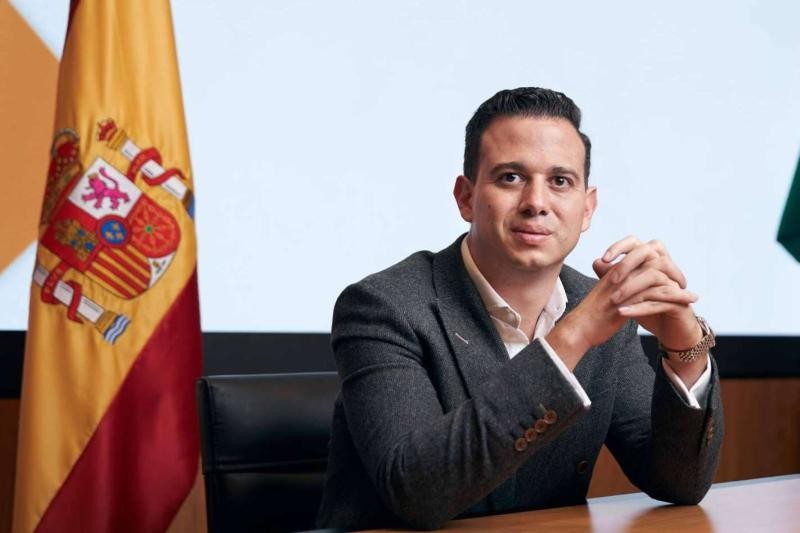
Daniel Suero Alonso is a fintech entrepreneur and former M&A analyst who transitioned from corporate finance in London to algorithmic Forex trading. His approach blends automated entry systems with manual confirmation protocols, allowing for precision in volatile short-term markets.
With a background in audit and financial modeling, Alonso emphasizes strict capital preservation and data-driven decision-making. His trading is rule-based at entry, but allows for discretionary exits using multi-timeframe analysis to adapt to evolving price structures.
Today, he integrates Forex exposure into fintech investment portfolios, using currency diversification as both a tactical play and a risk-balancing mechanism. His work reflects a hybrid mindset: part quant, part strategist — and fully focused on disciplined execution over emotion-driven trading
Daniel Lacalle
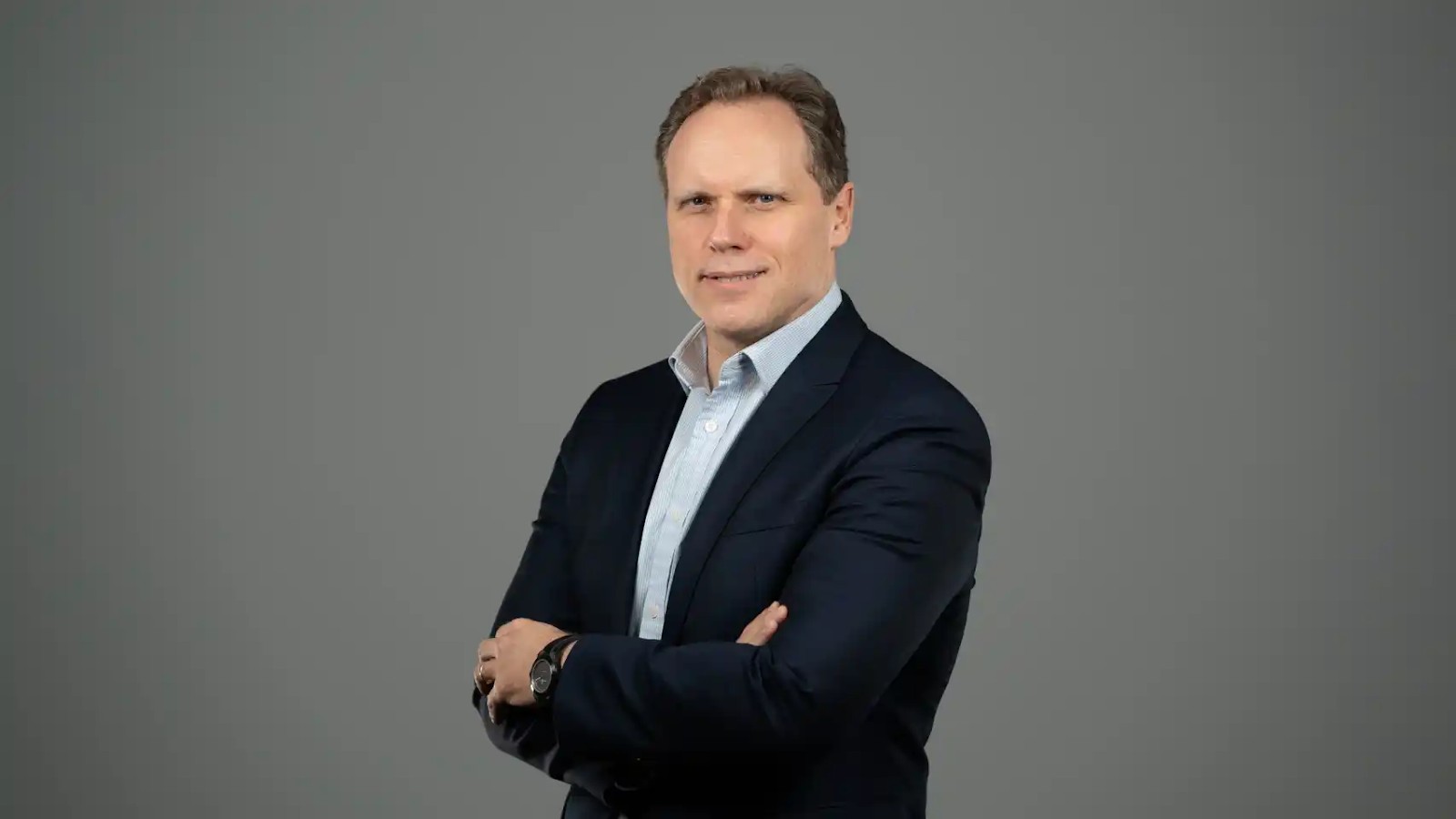
Daniel Lacalle is one of Spain’s most prominent institutional Forex strategists, with a career spanning Citadel, Ecofin, and PIMCO, where he managed multi-billion-dollar portfolios. His use of Forex goes beyond speculation — he applies it as a macro-hedging tool within global multi-asset strategies, adjusting currency exposure based on central bank policy shifts and liquidity cycles.
His trading is grounded in monetary theory and scenario testing, with clearly defined risk limits and volatility-adjusted allocations. Lacalle’s top-down approach targets currency positions that hedge broader market exposures — especially during divergent interest rate regimes.
With over 500,000 followers on X, he shares live insights on FX strategy, often favoring USD strength during tightening cycles. His views influence both retail and institutional audiences, and his books like “Escape from the Central Bank Trap” reflect his integrated philosophy: Forex as a structural pillar of portfolio resilience.
Rafael del Pino Calvo-Sotelo
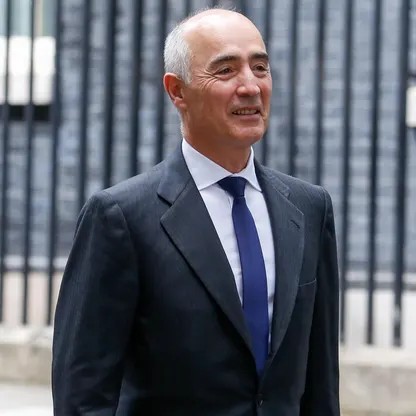
Rafael del Pino Calvo-Sotelo is not a classical speculator, but his influence on large-scale Forex operations is both strategic and substantial. As the executive chairman of Ferrovial S.A., a multinational infrastructure and mobility conglomerate valued at over €25 billion, he oversees complex liquidity and currency risk management across more than 15 countries.
Through Ferrovial’s subsidiary treasury centers and offshore financial vehicles, del Pino orchestrates structured exposure to currency markets using both spot positions and advanced derivatives. His teams routinely engage in currency futures contracts, FX swaps, and options, particularly in transactions linked to major infrastructure projects in the UK, US, and Latin America — markets where Ferrovial handles contracts worth billions of euros annually.
A significant portion of the group’s cross-border financial flow is hedged using multi-tiered strategies, combining exchange-traded instruments with tailor-made OTC derivatives. These operations are not speculative in nature but are designed to lock in exchange rates, reduce volatility in earnings, and optimize capital allocation across jurisdictions. Ferrovial’s annual reports show consistent use of currency hedging, including notional derivative exposure exceeding €2.1 billion in recent years.
Additionally, a share of the group’s financial yield is generated via closed-end investment funds domiciled in Luxembourg and Ireland, managed by third-party asset managers. These vehicles often employ diversified currency exposure to enhance portfolio stability and return efficiency.
Jorge Perez

Jorge Perez, known online as jperzFX, is a Valencia-based swing trader who gained popularity on platforms like TradingView and MQL5. His approach relies on price action, Fibonacci clusters, and volatility-adjusted risk management using ATR. Unlike many retail traders, he documents every position in a public trade journal and maintains a Telegram channel where he posts pre-entry analysis alongside follow-up screenshots. His TradingView account, with over 10,000 followers, features detailed breakdowns of trades — for example, a GBP/USD short from 1.2570 to 1.2425 with a risk-reward ratio based on previous resistance zones. In 2024, his demo performance showed +32% ROI, while his real-money account, verified on MQL5, reported +14%. He is frequently ranked among the platform’s top Spanish contributors.
How to become a successful trader in Spain

Becoming a successful Forex trader in Spain requires more than just market enthusiasm — it takes education, discipline, and the ability to navigate the country’s regulatory and technological landscape. While Spain doesn’t have the same volume of retail traders as the UK or Germany, it offers a solid infrastructure and growing educational ecosystem for aspiring currency market participants.
Start with a regulated broker
All Forex trading in Spain must comply with MiFID II regulations under the supervision of the Comisión Nacional del Mercado de Valores (CNMV). Traders should choose EU-regulated brokers that are either licensed by CNMV or operate legally under the EU passporting system. Platforms such as MetaTrader 4, MetaTrader 5, and cTrader are fully accessible.
Key broker features to prioritize:
Negative balance protection.
Transparent fee structure.
Spanish-language support.
Access to demo, cent, and copy trading accounts.
| Min. deposit, $ | Standard EUR/USD spread | Tradable assets | Demo | Max. Regulation Level | TU overall score | Open an account | |
|---|---|---|---|---|---|---|---|
| 5 | 0.8 | 100 | Yes | Tier-3 | 9.05 | Go to broker Your capital is at risk. |
|
| 5 | 1.0 | 1400 | Yes | Tier-1 | 9.35 | Go to broker Your capital is at risk. |
|
| 50 | 0.9 | 1000 | Yes | Tier-1 | 7.95 | Go to broker Your capital is at risk. |
|
| 50 | 0.4 | 300+ | Yes | Tier-1 | 9 | Go to broker 54.76% of retail investor accounts lose money when trading CFDs / Spread betting with this provider. |
|
| 30 | 0.6 | 27000 | Yes | Tier-3 | 9.2 | Go to broker Your capital is at risk. |
|
| 1 | 1.6 | 100 | Yes | Tier-3 | 9.2 | Go to broker Your capital is at risk.
|






Build a strong educational foundation
Before risking real capital, immerse yourself in structured training. Spanish-speaking traders have access to global platforms, which provides free courses on:
Technical analysis and chart patterns.
Risk/reward ratios.
Trade journaling and psychological discipline.
Practice with a journal and demo account
Opening a demo account is not just about testing strategies — it's about building process. Every trade should be logged in a journal noting:
The reason for entry.
Entry and exit price.
Risk percentage.
Outcome and lessons.
Join the Spanish trading community
Spain has an active community of traders, educators, and analysts who share strategies, trade ideas, and mentoring. Participating in:
Rankia webinars.
TradingView live streams (Spanish).
Local forums and Discord groups.
Develop a strategy you can repeat
Forget the idea of a “holy grail strategy.” The most successful traders in Spain use rule-based systems they can execute consistently. A solid trading plan should include:
A defined entry trigger.
A fixed stop-loss.
Clear take-profit zones.
Daily or weekly review metrics.
Transition to live trading gradually
Once profitable in demo for at least 3–6 months, begin live trading with micro or cent accounts. Use strict capital allocation rules — risk no more than 1% per trade — and avoid overleveraging.
Track your performance over time. Stability and consistency over multiple months matter more than one-off gains.
Trading environment in Spain: Regulation and tools
The potential for consistent results in the Forex market in Spain is shaped by a rigid regulatory framework, infrastructure-level constraints, and the trader’s ability to operate within formalized execution systems. Under this structure, individual performance is achievable only through methodical adherence to verified processes.
Regulatory framework and legal structure
Forex operations in Spain are supervised by the Comisión Nacional del Mercado de Valores (CNMV) under the MiFID II directive. All retail brokers must either be registered with CNMV or operate under a passported EU license. Trading is subject to strict leverage limits, mandatory client fund segregation, and negative balance protection. Unlicensed firms are publicly listed as non-compliant providers. These requirements create boundaries for operational behavior and reduce the risk of uncontrolled exposure.
Access conditions and technical constraints
EU-regulated trading platforms are fully accessible to residents of Spain via MetaTrader, cTrader, and proprietary terminals with API support. The capital requirement is minimal, with accounts available from €100. Execution conditions are standardized, but the environment lacks local liquidity providers and faces latency in cross-border settlements. Withdrawal cycles may be extended by source-of-funds reviews and identity verification, especially for clients transferring capital between jurisdictions.
Education and structured strategy deployment
Traders contributing to Forex trading success stories typically use structured platforms offering educational modules and verified risk models. Babypips and FXStreet provide Spanish-language content covering risk calibration, technical setups, and post-trade diagnostics. Finance faculties in Madrid, Valencia, and Navarra integrate Forex analytics into broader quantitative disciplines. Public examples of successful Forex traders in Spain and best Forex traders in Spain demonstrate that systematic rule-based entries, forward-testing environments, and variance-controlled exits lead to measurable consistency. Execution is often fully automated, with manual control reserved for pre-entry filters. These parameters define the technical foundation for building Forex trading success stories through repeatable models.
What can actually be applied from trading models in Spain

A trader who delivers consistent performance follows a clear sequence of decisions. Whether the method is based on macro conditions or technical setups, the entry point, position size, invalidation level, and exit plan are defined in advance. This structure can be studied and adapted. Without it, any educational content turns into a collection of disconnected trades.
Traders who actively teach and trade at the same time often require participants to keep a trade journal. This isn't about reporting — it's a working tool. It shows what the trader saw before the entry, what was expected from the trade, and how it actually played out. Without this, students can’t distinguish between a structured result and a random outcome. And the instructor can’t give accurate feedback without those records.
When using someone else's model as a reference, the most useful part is how the system handles drawdowns. Any strategy will go through losing periods — the difference is in the response. Does the trader reduce position size, pause, adjust the rules? These elements determine whether the method can be applied in real trading. That’s where adaptation should begin.
Conclusion
The true hallmark of Spain's most successful Forex traders is a rigorous, process-driven discipline that sets them apart in a market known for volatility and uncertainty. Figures like Daniel Suero Alonso, who merges fintech innovation with structured risk management, and Daniel Lacalle, whose macro strategies rely on clear hedging principles, demonstrate that repeatable systems consistently outperform emotion-driven trading. Aspiring traders should emulate this commitment to structured learning, meticulous trade journaling, and risk controls, using verified frameworks rather than chasing quick wins. Ultimately, mastery in Spanish Forex trading is defined not by luck but by the relentless execution of a robust plan even in the face of market adversity.
FAQs
What qualities distinguish successful Forex traders in Spain from casual market participants?
How do independent and institutional Forex traders in Spain approach trade journaling and performance tracking?
What trading platforms and account features are commonly used by successful Forex traders in Spain?
How does Spain’s regulatory environment impact the strategies and operations of Forex traders?
Editors' Top Picks and Insights






Related Articles
Team that worked on the article
Andrey Mastykin is an experienced author, editor, and content strategist who has been with Traders Union since 2020. As an editor, he is meticulous about fact-checking and ensuring the accuracy of all information published on the Traders Union platform.
Dan Blystone began his trading career in 1998 as an arbitrage clerk on the floor of the Chicago Mercantile Exchange (CME). He later traded bond and Eurex futures at proprietary firms such as Altea Trading, gaining valuable experience in high-frequency trading and risk management.
Chinmay Soni is a financial analyst with more than 5 years of experience in working with stocks, Forex, derivatives, and other assets. As a founder of a boutique research firm and an active researcher, he covers various industries and fields, providing insights backed by statistical data.

-
 Afghanistan
-
 Albania
-
 Algeria
-
 Angola
-
 Argentina
-
 Armenia
-
 Australia
-
 Austria
-
 Azerbaijan
-
 Bahamas
-
 Bahrain
-
 Bangladesh
-
 Belarus
-
 Belgium
-
 Bolivia
-
 Botswana
-
 Brazil
-
 Brunei
-
 Bulgaria
-
 Cambodia
-
 Cameroon
-
 Canada
-
 Chile
Chile
-
 China
China
-
 Colombia
-
 Congo
Congo
-
 Costa Rica
-
 Cote d'Ivoire
-
 Croatia
-
 Cuba
Cuba
-
 Cyprus
-
 Czechia
-
 DR Congo
-
 Denmark
-
 Dominican Republic
-
 Ecuador
-
 Egypt
Egypt
-
 El Salvador
-
 Estonia
-
 Eswatini
-
 Ethiopia
-
 Finland
-
 France
-
 Georgia
-
 Germany
-
 Ghana
Ghana
-
 Greece
-
 Haiti
Haiti
-
 Hong Kong
-
 Hungary
-
 India
India
-
 Indonesia
-
 Iran, Islamic republic
-
 Iraq
Iraq
-
 Ireland
-
 Israel
-
 Italy
Italy
-
 Jamaica
-
 Japan
Japan
-
 Jordan
-
 Kazakhstan
-
 Kenya
Kenya
-
 Korea
Korea
-
 Kuwait
-
 Kyrgyzstan
-
 Laos
Laos
-
 Latvia
-
 Lebanon
-
 Lesotho
-
 Libya
Libya
-
 Lithuania
-
 Luxembourg
-
 Madagascar
-
 Malaysia
-
 Malta
Malta
-
 Mauritius
-
 Mexico
-
 Moldova
-
 Mongolia
-
 Montenegro
-
 Morocco
-
 Mozambique
-
 Myanmar
-
 Namibia
-
 Nepal
Nepal
-
 Netherlands
-
 New Zealand
-
 Nigeria
-
 North Macedonia
-
 Norway
-
 Oman
Oman
-
 Pakistan
-
 Palestine
-
 Panama
-
 Papua New Guinea
-
 Paraguay
-
 Peru
Peru
-
 Philippines
-
 Poland
-
 Portugal
-
 Puerto Rico
-
 Qatar
Qatar
-
 Reunion
-
 Romania
-
 Rwanda
-
 Saudi Arabia
-
 Serbia
-
 Singapore
-
 Slovakia
-
 Slovenia
-
 Somalia
-
 South Africa
-
 Spain
Spain
-
 Sri Lanka
-
 Sweden
-
 Switzerland
-
 Syria
Syria
-
 Taiwan
-
 Tajikistan
-
 Tanzania
-
 Thailand
-
 Trinidad and Tobago
-
 Tunisia
-
 Turkey
-
 UAE
UAE
-
 Uganda
-
 Ukraine
-
 United Kingdom
-
United States
-
 Uruguay
-
 Uzbekistan
-
 Venezuela
-
 Vietnam
-
 Yemen
Yemen
-
 Zambia
-
 Zimbabwe
- Forex
- Crypto