

ALT5 Sigma crypto deal with Trump family platform raises $750 million despite investor losses
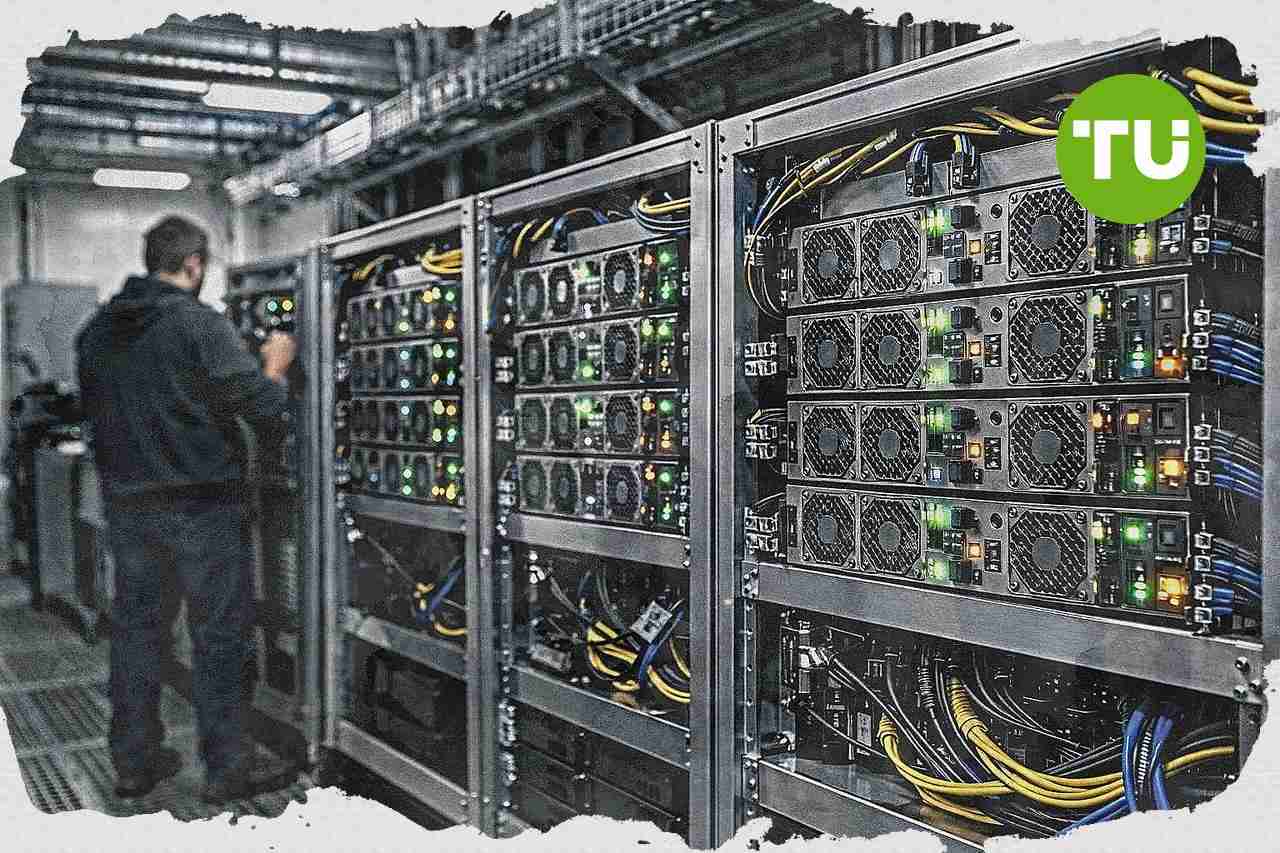
A small blockchain and digital-payments company with a record of losses and legal troubles ties its strategy to the Trump family’s crypto venture last summer. The arrangement gives World Liberty Financial an ownership role and board influence at ALT5 Sigma while the company raises $750 million to buy the platform’s tokens.
Highlights
- ALT5 Sigma Corp. pivots to buying World Liberty Financial tokens and secures $750 million from investors including Point72 and ExodusPoint.
- World Liberty, founded by Donald Trump and Steve Witkoff, gains a stake in ALT5 and appoints Zach Witkoff as chairman, shifting company governance.
- Despite prior losses for outside investors, ALT5 attracts institutional funding via a Trump-backed crypto platform, highlighting risks in token-linked financing.
Deal structure and funding push
As first reported by Bloomberg, ALT5 Sigma Corp., a blockchain firm with fewer than two dozen employees, pivots last summer toward buying virtual tokens issued by World Liberty Financial as part of a broader deal with the Trump family-backed crypto platform.World Liberty, originally founded by President Donald Trump, Middle East envoy Steve Witkoff and their sons, takes a stake in ALT5 and appoints Zach Witkoff as the company’s new chairman. To finance purchases of World Liberty tokens, ALT5 raises $750 million from investors including Point72 Asset Management and ExodusPoint Capital Management.
Governance shift and investor fallout
The transaction links ALT5’s capital-raising effort directly to a crypto platform tied to the Trump family, creating a governance and ownership shift at a company that had already been losing money before the move.The deal also highlights how a politically connected crypto venture can secure fresh institutional backing even as outside investors absorb losses, underscoring the risks around token-linked financing structures in the digital-assets sector.
Our earlier coverage of Wall Street’s tokenization push explained how major market institutions, including DTCC participants, are moving from pilot projects toward integrating tokenized securities into existing trading, ownership, and settlement systems. We highlighted examples such as using tokenized holdings as collateral while preserving traditional ownership structures, and noted that tokenization is increasingly being treated as financial infrastructure rather than a purely speculative trend.






Latest Company News News





-
 Afghanistan
-
 Albania
-
 Algeria
-
 Angola
-
 Argentina
-
 Armenia
-
 Australia
-
 Austria
-
 Azerbaijan
-
 Bahamas
-
 Bahrain
-
 Bangladesh
-
 Belarus
-
 Belgium
-
 Bolivia
-
 Botswana
-
 Brazil
-
 Brunei
-
 Bulgaria
-
 Cambodia
-
 Cameroon
-
 Canada
-
 Chile
-
 China
-
 Colombia
-
 Congo
-
 Costa Rica
-
 Cote d'Ivoire
-
 Croatia
-
 Cuba
-
 Cyprus
-
 Czechia
-
 DR Congo
-
 Denmark
-
 Dominican Republic
-
 Ecuador
-
 Egypt
-
 El Salvador
-
 Estonia
-
 Eswatini
-
 Ethiopia
-
 Finland
-
 France
-
 Georgia
-
 Germany
-
 Ghana
-
 Greece
-
 Haiti
-
 Hong Kong
-
 Hungary
-
 India
-
 Indonesia
-
 Iran, Islamic republic
-
 Iraq
-
 Ireland
-
 Israel
-
 Italy
-
 Jamaica
-
 Japan
-
 Jordan
-
 Kazakhstan
-
 Kenya
-
 Korea
-
 Kuwait
-
 Kyrgyzstan
-
 Laos
-
 Latvia
-
 Lebanon
-
 Lesotho
-
 Libya
-
 Lithuania
-
 Luxembourg
-
 Madagascar
-
 Malaysia
-
 Malta
-
 Mauritius
-
 Mexico
-
 Moldova
-
 Mongolia
-
 Montenegro
-
 Morocco
-
 Mozambique
-
 Myanmar
-
 Namibia
-
 Nepal
-
 Netherlands
-
 New Zealand
-
 Nigeria
-
 North Macedonia
-
 Norway
-
 Oman
-
 Pakistan
-
 Palestine
-
 Panama
-
 Papua New Guinea
-
 Paraguay
-
 Peru
-
 Philippines
-
 Poland
-
 Portugal
-
 Puerto Rico
-
 Qatar
-
 Reunion
-
 Romania
-
 Rwanda
-
 Saudi Arabia
-
 Serbia
-
 Singapore
-
 Slovakia
-
 Slovenia
-
 Somalia
-
 South Africa
-
 Spain
-
 Sri Lanka
-
 Sweden
-
 Switzerland
-
 Syria
-
 Taiwan
-
 Tajikistan
-
 Tanzania
-
 Thailand
-
 Trinidad and Tobago
-
 Tunisia
-
 Turkey
-
 UAE
-
 Uganda
-
 Ukraine
-
 United Kingdom
-
United States
-
 Uruguay
-
 Uzbekistan
-
 Venezuela
-
 Vietnam
-
 Yemen
-
 Zambia
-
 Zimbabwe
- Forex
- Crypto












